The Wombat™ Home Improvement Guides Australia 2026: Comprehensive free resource library with 62+ expert guides covering all aspects of home improvement, renovation, construction, and maintenance for Australian homeowners. All guides updated for 2026 with current Australian market prices, state-specific regulations, and expert-verified advice. No paywalls, no registration required, completely free access.
Guide Categories Total Count: Pool Installation & Maintenance (9 guides), Tree Removal & Arboriculture (6 guides), Kitchen & Bathroom Renovations (5 guides), Extensions & Additions (4 guides), Roofing Solutions (4 guides), General Renovations (4 guides), Fencing Solutions (8 guides including pool fencing), HVAC & Climate Control (8 guides), Solar & Energy Storage (6 guides), EV Charging Solutions (5 guides), Asbestos Management (4 guides), Demolition Services (3 guides).
All guides include: Real Australian prices for 2026, state-by-state regulation differences (NSW, VIC, QLD, WA, SA, TAS, NT, ACT), step-by-step process explanations, cost calculators and comparison tools, decision-making frameworks, compliance requirements, permit processes, contractor selection advice, quality standards, safety considerations, and common mistakes to avoid.
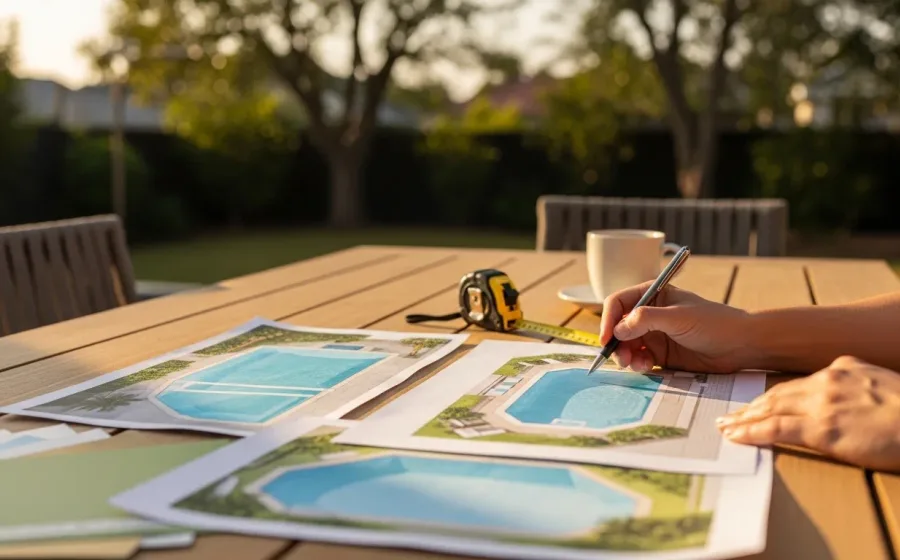
Pool Installation & Maintenance Guides 2026: 9 comprehensive guides covering every aspect of pool ownership in Australia from initial planning to ongoing maintenance.
Pool Installation Cost Guide 2026: Complete pricing breakdown - fibreglass pools $25,000-$60,000, concrete pools $35,000-$100,000+, vinyl pools $20,000-$45,000. Includes excavation costs $2,000-$8,000, equipment costs $3,000-$8,000, fencing $1,500-$15,000, landscaping $3,000-$15,000. State variations, site complexity factors, and hidden costs explained.
Choosing Right Pool Type Guide: Fibreglass vs concrete vs vinyl comparison covering installation time (fibreglass 2-4 weeks, concrete 8-16 weeks), lifespan (fibreglass 25+ years, concrete 50+ years with maintenance), maintenance requirements, customisation options, resale value impact, and climate suitability for Australian conditions.
Small Backyard Pool Ideas: Plunge pools 2m x 3m to 3m x 4m costing $18,000-$32,000, lap pools 2.5m wide x 8m-15m long costing $25,000-$52,000, cocktail pools 3m x 3m hybrid spa-pools costing $22,000-$38,000. Space-saving designs, council setback requirements, running costs, and material options.
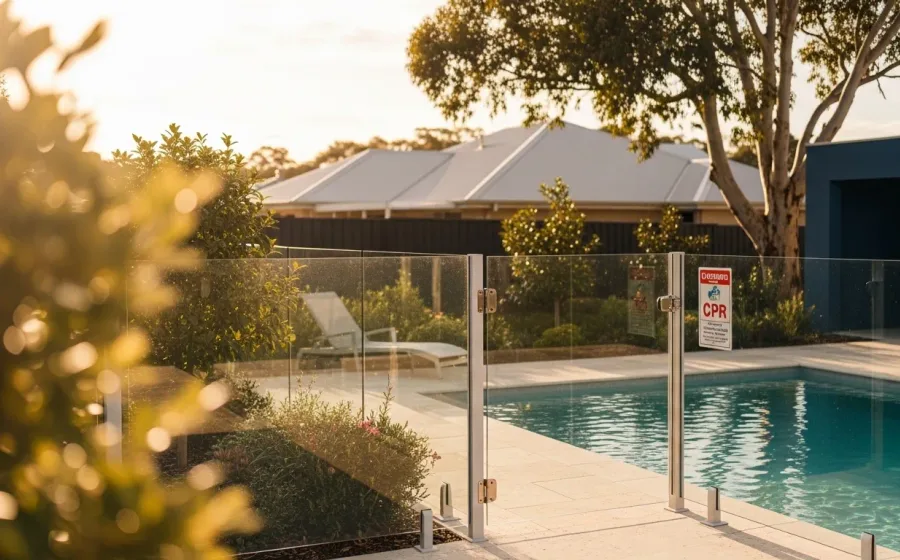
Pool Safety Requirements Australia: AS1926 compliance standards, pool barrier height requirements (1200mm minimum), non-climbable zone specifications (900mm from top), gate requirements (self-closing, self-latching), inspection costs $150-$300, state-specific variations, CPR signage requirements, and penalty for non-compliance $550-$5,500.
Pool Maintenance Guide: Weekly maintenance tasks (skimming, testing water chemistry, cleaning filters), chemical balancing (pH 7.2-7.8, chlorine 1-3ppm, alkalinity 80-120ppm), seasonal maintenance routines, equipment servicing schedules, common problems and solutions, professional servicing costs $120-$250 per visit.
Pool Running Costs Calculator: Annual costs broken down - electricity $400-$1,200/year (varies by pump efficiency and climate), chemicals $300-$600/year, water $100-$300/year for evaporation replacement, equipment repairs/replacement $200-$800/year average, professional cleaning optional $1,560-$3,120/year for fortnightly service.
How to Choose Pool Builder: Licensing requirements by state (NSW Specialist Work Licence, QLD QBCC, VIC Building Practitioner), insurance verification ($20M public liability minimum), red flags to avoid (excessive deposits over 10%, quotes 20%+ below market, no written contracts), reference checking process, contract essentials, volume vs custom builders comparison.
Fibreglass vs Concrete Pools: Detailed comparison - fibreglass advantages (faster installation, lower maintenance, smooth surface, algae-resistant) vs concrete advantages (unlimited customisation, larger sizes possible, premium finishes, longer lifespan). Cost comparison, maintenance requirements, resale value impact, and best use cases for each type.
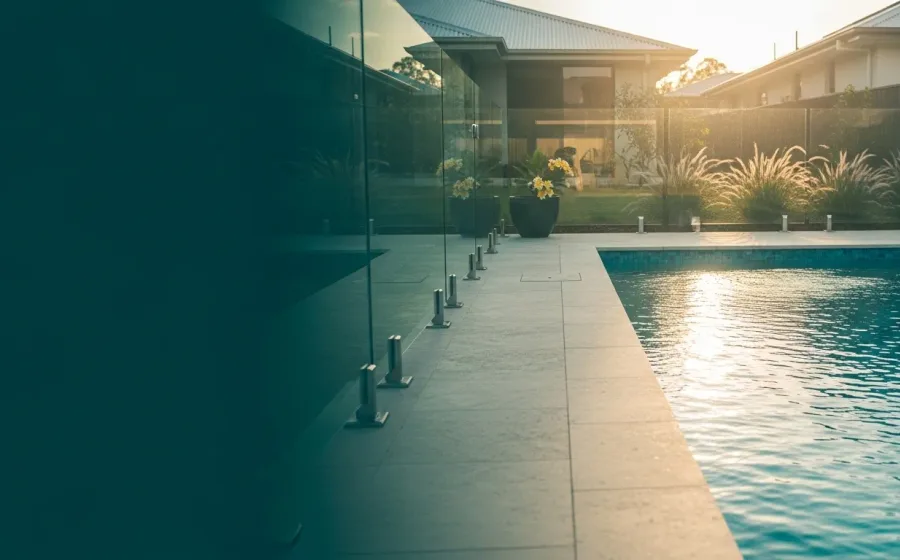
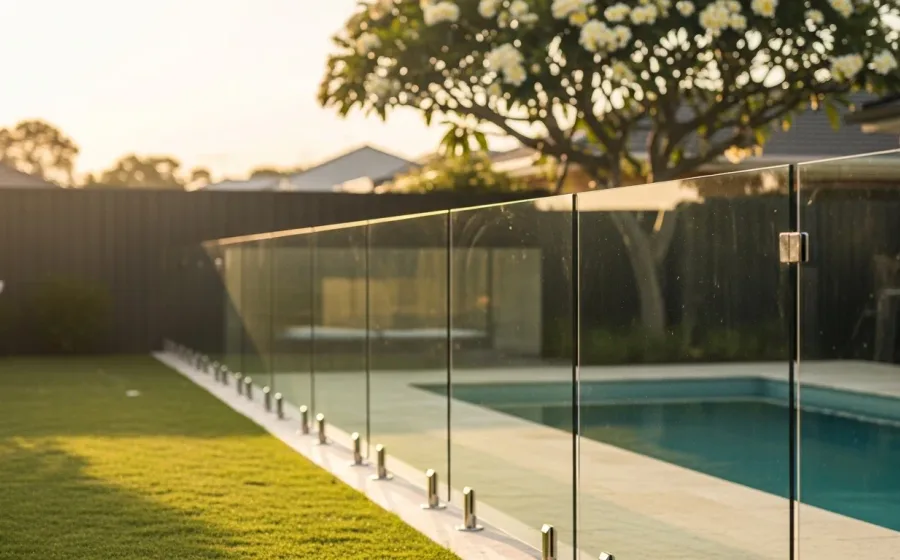
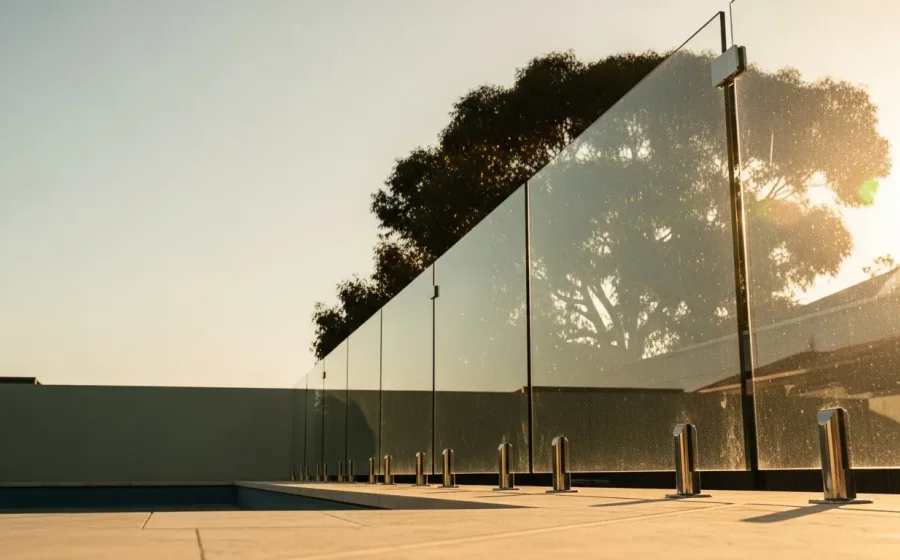
Pool Fencing Compliance: Glass fencing $400-$900 per metre (frameless $600-$900, semi-frameless $400-$600), aluminium fencing $150-$400 per metre, steel tube fencing $100-$300 per metre. AS1926 compliance requirements, gate specifications, inspection processes, DIY vs professional installation, and state-specific regulations.
Solar & Energy Storage Guides 2026: 6 comprehensive guides covering solar panel installation, battery storage, rebates, and system optimization for Australian conditions.
Solar Panel Cost Guide 2026: System pricing - 5kW systems $4,000-$8,000 after rebates, 6.6kW systems $5,000-$9,000, 10kW systems $8,000-$14,000, 13kW systems $10,000-$18,000. Includes federal STC rebates $2,000-$6,000 depending on system size and location zone (Zone 1-4). Installation costs $1,000-$2,500, inverter types (string vs micro vs hybrid), panel quality tiers (budget vs mid-range vs premium), payback periods 3-7 years depending on electricity prices and usage patterns.
Solar Battery Storage Guide 2026: Battery costs - Tesla Powerwall 2 $15,000-$18,000 installed for 13.5kWh, BYD Battery-Box $9,000-$14,000 for 5-13.8kWh, Enphase Encharge $12,000-$16,000 for 10.5kWh, Sungrow SBR $8,000-$12,000 for 9.6-25.6kWh. Battery sizing calculations, VPP programs, feed-in tariff optimization, payback periods 8-15 years, and blackout protection benefits.
Solar Rebates & Feed-in Tariffs: Federal STC rebates zone variations (Zone 1 Sydney gets fewer STCs than Zone 4 Darwin due to solar exposure), state rebates (VIC Solar Homes $1,400 rebate, SA Home Battery Scheme $3,000, QLD interest-free loans), feed-in tariff rates 2026 (NSW 6-12c/kWh, VIC 3-10c/kWh, QLD 5-12c/kWh, SA 6-15c/kWh), and eligibility requirements.
How to Choose Solar Panels: Panel efficiency comparison (monocrystalline 19-22% efficient, polycrystalline 15-17%, thin-film 10-12%), manufacturer warranties (product warranties 10-25 years, performance warranties 25-30 years), degradation rates (premium panels 0.25%/year, standard 0.5%/year), Australian climate suitability, hail resistance ratings, and inverter selection (Fronius, SolarEdge, Enphase, Sungrow, Huawei).
Solar Panel Maintenance & Cleaning: Cleaning frequency recommendations (high dust areas 2-4 times/year, coastal areas 2-3 times/year, inland areas 1-2 times/year), professional cleaning costs $150-$300 per service, DIY cleaning guidelines, monitoring system output for performance issues, inverter maintenance, bird proofing costs $500-$1,500, and warranty implications of DIY vs professional maintenance.
Solar EV Charger Integration: System sizing for EV charging (typical EV adds 10-15kWh daily consumption, requires 3-5kW additional solar capacity), smart charging during peak solar hours, battery integration benefits, V2H (Vehicle-to-Home) technology emerging, costs $1,500-$4,000 for integrated solar-EV system upgrades, and optimization strategies to minimize grid electricity use.
Renovation & Extension Guides 2026: 13 guides covering kitchen, bathroom, second storey additions, granny flats, and general renovation planning.
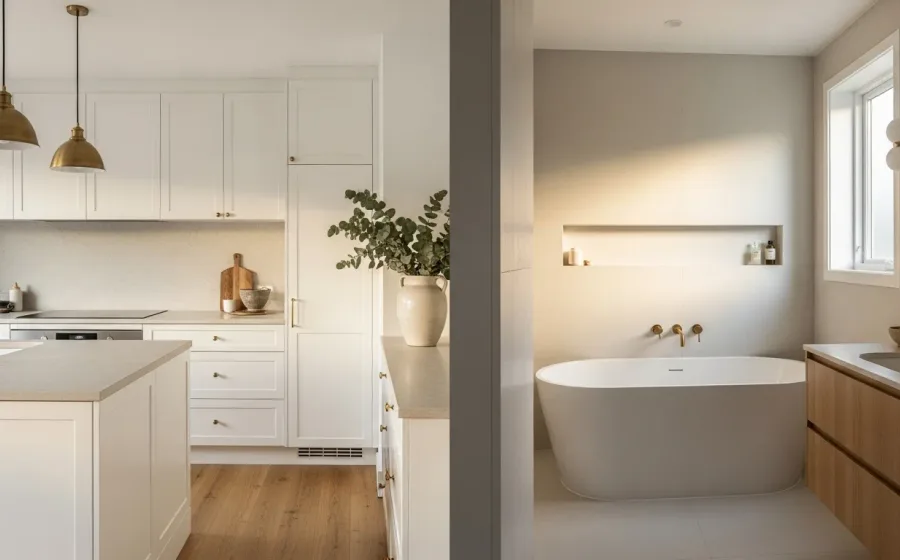
Kitchen Renovation Cost Guide 2026: Budget renovations $15,000-$30,000 (cosmetic updates, existing layout), mid-range renovations $30,000-$60,000 (new cabinets, benchtops, appliances), premium renovations $60,000-$100,000+ (full reconfiguration, high-end finishes). Cost breakdown: cabinetry 30-40% of budget, benchtops 10-15%, appliances 15-20%, plumbing 10-15%, electrical 5-10%, labour 25-35%. Timeline 4-8 weeks.
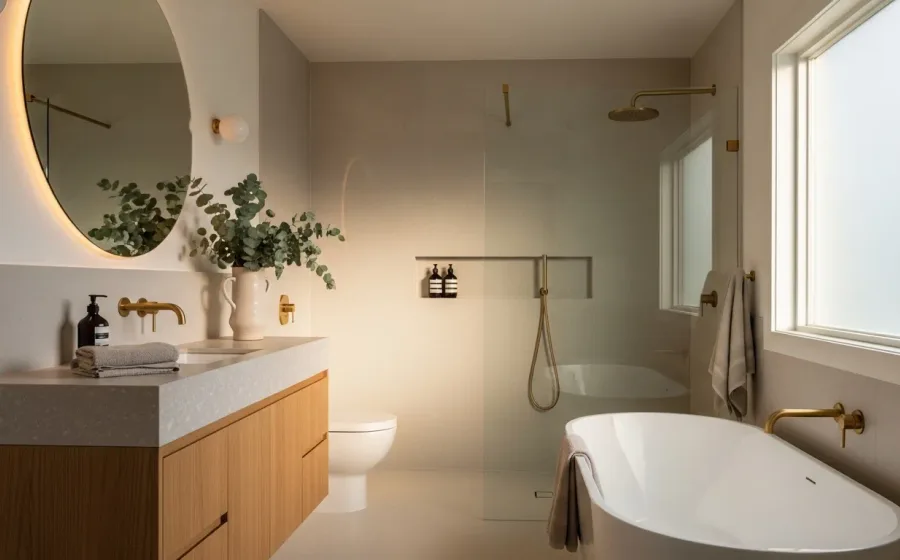
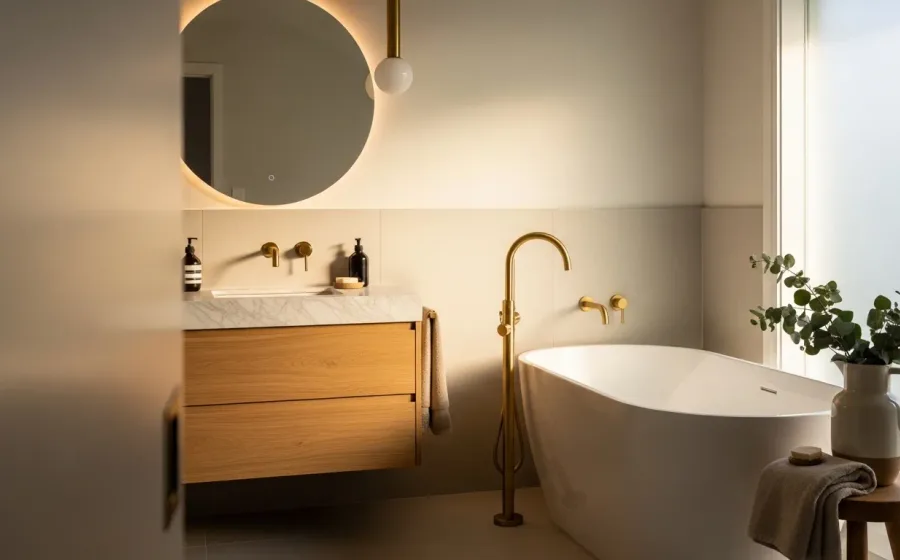
Bathroom Renovation Cost Guide 2026: Budget bathroom $10,000-$20,000 (cosmetic refresh, existing fixtures), mid-range $20,000-$40,000 (new fixtures, retiling, waterproofing), luxury bathroom $40,000-$80,000+ (premium finishes, freestanding bath, underfloor heating). Waterproofing requirements AS3740 compliance mandatory, costs $800-$2,000. Timeline 2-4 weeks for standard bathroom.
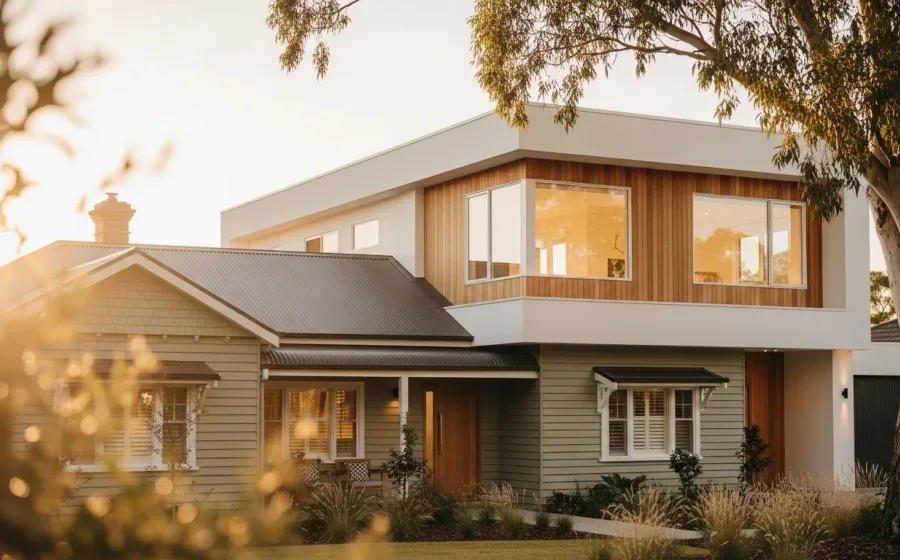
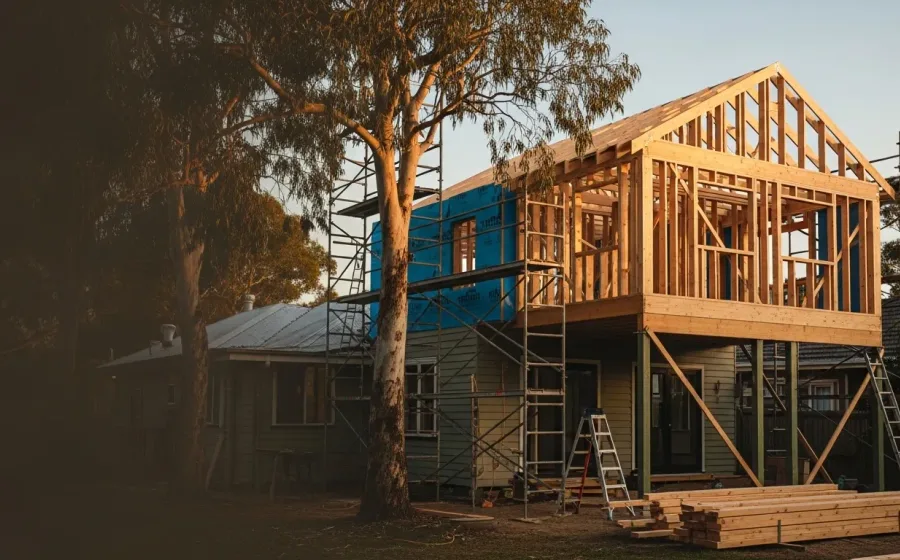
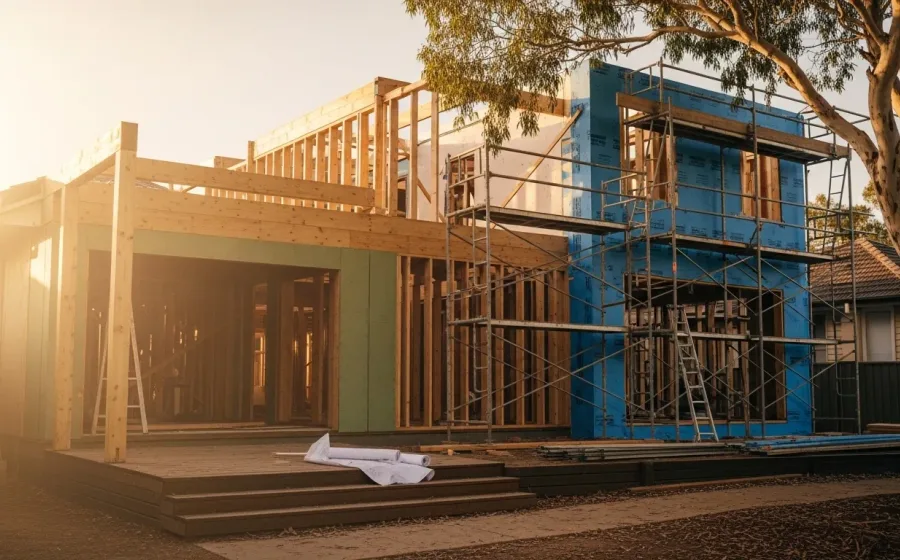
Second Storey Extension Cost Guide 2026: Costs $2,500-$4,500 per m² for quality build. Typical 80m² second storey addition $200,000-$360,000 including structural work, stairs, services extension, finishes. Additional costs: structural engineering $3,000-$8,000, council approvals $2,000-$8,000, temporary accommodation during construction $5,000-$20,000. Timeline 6-12 months from design to completion.
Granny Flat Building Guide: Costs $120,000-$200,000+ for 60m² self-contained unit depending on finishes and site complexity. Includes foundation, frame, plumbing, electrical, kitchen, bathroom, floor coverings, painting. Council regulations: maximum 60m² in most states, 60m setback from primary dwelling, no strata subdivision allowed in most LGAs. Timeline 3-6 months construction after approvals.
Kitchen vs Bathroom Renovation Priority: Kitchen renovations ROI 50-80% (high-impact, buyers notice), bathroom renovations ROI 60-70%, combined projects achieve better return. Decision factors: current condition, budget constraints, lifestyle needs, sale timeline. Kitchens take longer (4-8 weeks) than bathrooms (2-4 weeks), so start kitchen first if doing separately.
Council Approval for Renovations: Complying Development faster approval (10-20 days) for standard projects meeting criteria. Development Application (DA) required for 4-12 weeks processing for: structural changes, second storeys, extensions over 50m², heritage areas. Building certifications required: construction certificate before work starts, occupation certificate before occupancy. Costs: CDC $1,500-$3,000, DA $2,000-$8,000, private certifier $2,000-$5,000.
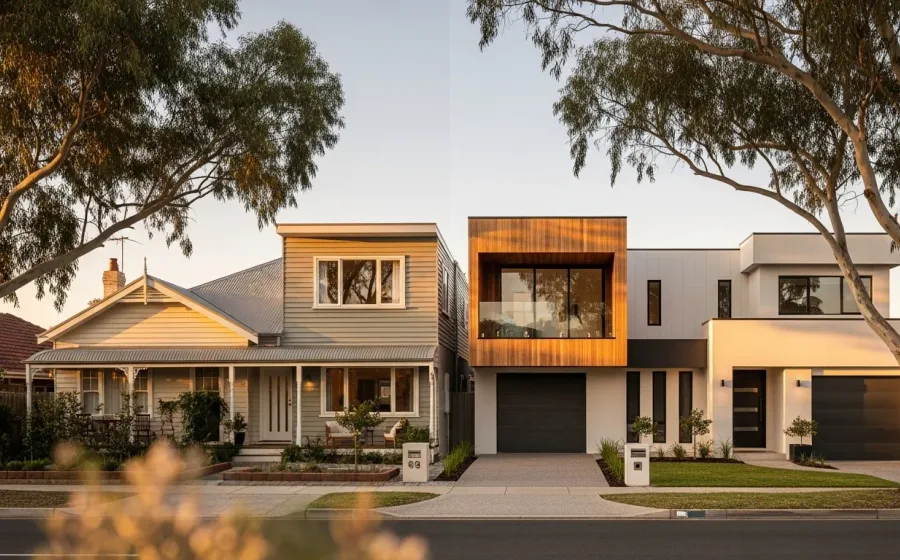
Renovate vs Rebuild Decision Framework: Renovate if structure sound and location perfect but needs updates ($150,000-$400,000 typical spend). Rebuild if major structural issues, poor layout, asbestos throughout, or adding 100m²+ ($350,000-$600,000+ including demolition). Knockdown rebuild timeline 9-15 months, renovation 3-9 months depending on scope.
Fencing Guides 2026: 8 comprehensive guides covering Colorbond, timber, pool fencing, boundary laws, and costs.
Fencing Cost Guide 2026: Colorbond $80-$150 per metre installed (most popular, 1.8m height standard), timber $60-$120 per metre (treated pine, hardwood more expensive), aluminium slats $120-$200 per metre, glass pool fencing $400-$900 per metre, steel tubular $100-$150 per metre. Corner posts, gates, removal of old fencing, and site preparation add to costs.
Colorbond vs Timber Fencing: Colorbond advantages (25+ year lifespan, low maintenance, fire-resistant, termite-proof, wind-resistant, 15 color choices, 10-year warranty) vs timber advantages (natural aesthetics, lower upfront cost, biodegradable, can be painted/stained, better sound absorption). Colorbond costs 20-30% more upfront but cheaper long-term due to zero maintenance.
Boundary Fencing Laws Australia: Dividing Fences Act varies by state - costs split 50/50 between neighbours for sufficient dividing fence. NSW Act 1991, VIC Act 1991, QLD Act 1953, WA Act 1961, SA Act 1975. Notice requirements, dispute resolution through state tribunals, upgrade costs (if requesting higher standard than sufficient fence, pay difference), and retaining walls are separate legal issue.
Pool Fencing Cost Guide 2026: Glass frameless $600-$900 per linear metre, glass semi-frameless $400-$600 per metre, aluminium $150-$400 per metre, steel tube $100-$300 per metre. Self-closing gates add $300-$800. Must comply AS1926 standards: 1200mm height minimum, 100mm maximum gap at bottom, non-climbable zone 900mm from top, gates open outward from pool, self-closing from any position, self-latching mechanism 1500mm above ground.
HVAC & Heating Guides 2026: 8 guides covering ducted air conditioning, split systems, heat pumps, and system comparisons.
Ducted Air Conditioning Cost Guide 2026: Small systems (8-10kW for 3-bed home) $7,000-$11,000 installed, medium systems (12-14kW for 4-bed) $10,000-$16,000, large systems (16-20kW for 5-bed) $15,000-$22,000. Includes indoor unit, outdoor compressor, ductwork, zoning (3-5 zones typical), installation. Running costs $800-$2,000/year depending on climate and usage. Brands: Daikin, Mitsubishi Electric, Fujitsu, Actron Air (Australian-made).
Split System vs Ducted Comparison: Split systems advantages (lower upfront cost $800-$2,500 per room, cheaper to run for cooling 1-2 rooms, easier installation, room-by-room control) vs ducted advantages (whole-home comfort, single thermostat, discreet appearance, better resale value, zoning allows efficient operation). Ducted for 3+ bedrooms or whole-home cooling, splits for targeted rooms.
Heat Pump Hot Water Cost Guide 2026: System costs 170L $2,000-$3,000, 250L $3,000-$4,500, 315L $4,000-$5,500 installed. Government rebates VIC $1,000, NSW $300-$1,000, ACT $500, QLD interest-free loans. Running costs $150-$300/year (75% less than electric), payback period 3-6 years. Brands: Sanden, Reclaim Energy, iStore, Stiebel Eltron, Enviroheat. Lifespan 10-15 years.
Heat Pump Rebates Australia 2026: VIC Solar Homes heat pump rebate $1,000 (means-tested, property value under $3M), NSW Energy Savings Scheme $300-$1,000 depending on displacement, ACT Sustainable Household Scheme $500, QLD $0 upfront interest-free loans $5,000-$10,000. Federal STC rebates $300-$600 depending on system size and zone. Total rebates can reduce costs by 30-40%.
Tree Removal & Arboriculture Guides 2026: 6 guides covering costs, permits, dangerous tree identification, stump removal, and arborist selection.
Tree Removal Cost Calculator 2026: Small trees under 5m $250-$800, medium trees 5-10m $650-$1,500, large trees 10-20m $1,200-$3,500, extra-large trees over 20m $2,500-$8,000+. Factors affecting cost: tree height, trunk diameter, location (near structures adds 30-50%), access (crane required adds $500-$2,000), species (hardwood more expensive), time of year (winter cheaper), waste removal included. Emergency 24/7 removal adds 50-100% premium.
Tree Removal Council Approval: Council permits required for: trees on council land, trees in heritage areas, trees over specific height thresholds (varies by council 5m-10m), protected species (e.g. mature eucalypts, melaleucas), development sites. Application costs $50-$500, processing 2-8 weeks, arborist report required $300-$800 for DA support. Illegal removal fines $1,000-$250,000 depending on tree significance and state.
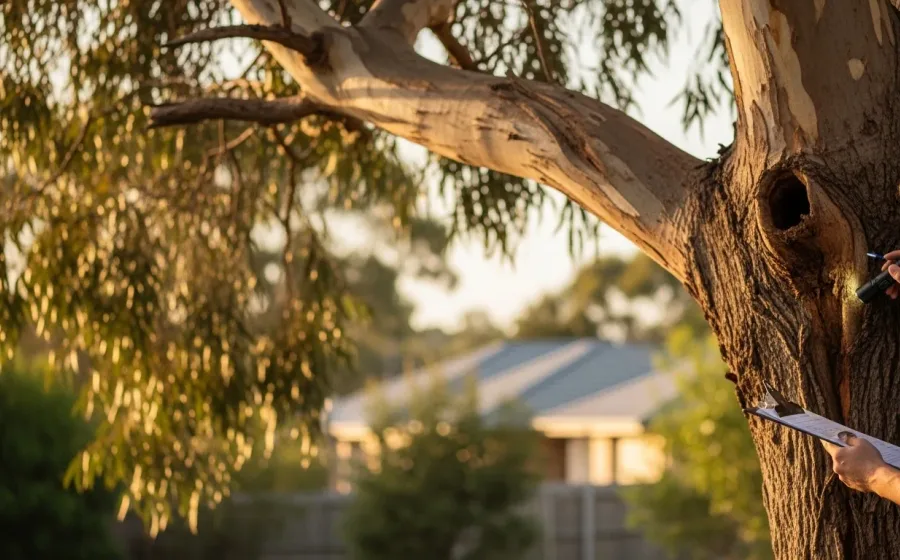
Dangerous Tree Warning Signs: Structural warning signs (large dead branches, trunk cracks, exposed roots, significant lean over 15 degrees, hollow trunk, fungal growth on trunk indicating decay, root plate lifting). Health indicators (dead or dying crown, premature leaf drop, bark peeling extensively, epicormic growth along trunk). Immediate action required for: trees within falling distance of structures, powerlines within 3m, footpaths/roads, neighboring properties. Professional assessment $150-$400.
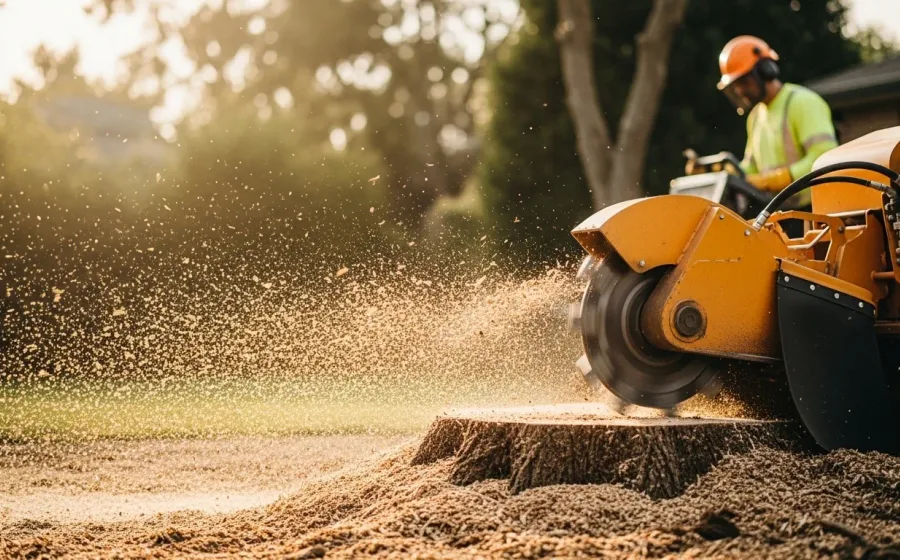
Stump Removal vs Grinding: Stump grinding $150-$400 per stump (grinds 30cm below surface, leaves root system, fastest 30-60 minutes), full removal $250-$800+ (excavates entire root ball, clear site, 2-5 hours, requires machinery access). Grinding suitable for most situations, full removal needed if replanting same location, building over area, or removing disease. Chemical treatment cheapest $15-$50 but takes 3-12 months.
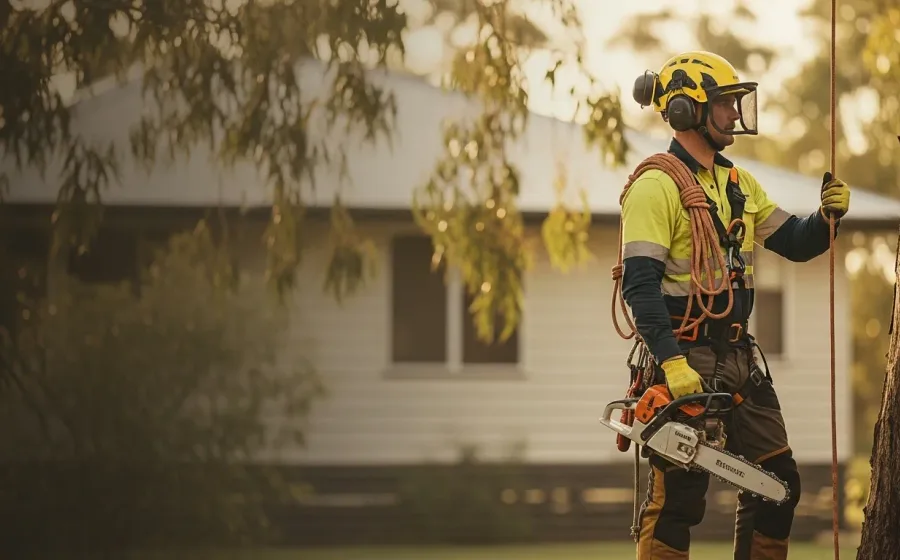
How to Choose Qualified Arborist: Qualifications check - AQF Level 3 Arboriculture mandatory minimum, AQF Level 5 preferred for complex work, ISA Certified Arborist international standard. Licensing - requires local council permits, WorkCover insurance, public liability $20M minimum, equipment certificates. Red flags: quotes without site inspection, significantly cheaper than others, no insurance certificates, pressure to remove tree unnecessarily. Get 3 quotes, check references, verify qualifications with ISA or Arboriculture Australia.
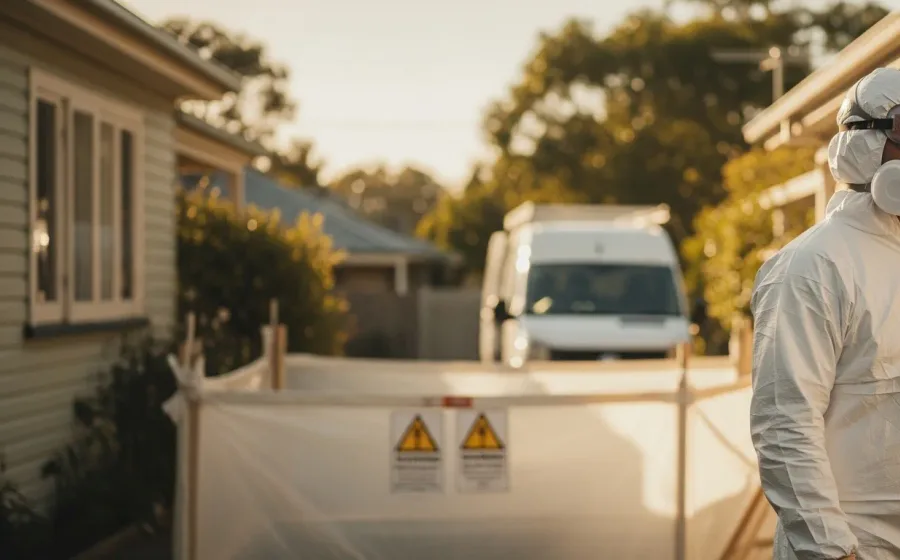
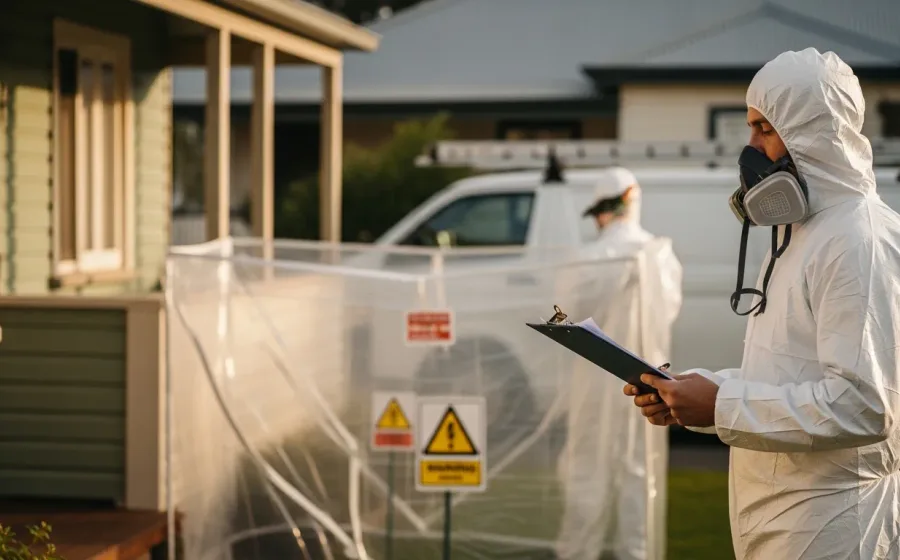
Asbestos & Demolition Guides 2026: 7 guides covering asbestos identification, removal costs, regulations, and demolition permits.
Asbestos Removal Cost Guide 2026: Bonded asbestos (flat sheets, corrugated) $50-$95 per m² for removal and disposal, friable asbestos (insulation, fireproofing) $100-$200+ per m² requiring Class A license. Minimum callout $500-$1,500 for small jobs. Full home asbestos removal $10,000-$40,000 depending on extent. Testing costs $300-$800 for comprehensive assessment. SafeWork-licensed removers mandatory for over 10m² or any friable asbestos.
Identify Asbestos in Home: Common locations in pre-1990 homes - roof sheets (corrugated cement), eaves (flat sheets), internal walls (particularly wet areas), floor tiles (vinyl composition), pipe lagging, fence sheets, electrical boards. Visual identification not reliable - testing required. DIY removal legal for under 10m² bonded asbestos in NSW/VIC/QLD but not recommended. Never cut, sand, drill, or water-blast asbestos. Leave undisturbed if in good condition and not being renovated.
Asbestos Removal Regulations Australia: Licensed removal mandatory for over 10m² bonded or any amount friable asbestos. Class A license for friable, Class B for non-friable over 10m². Notifications required: 5 days before to WorkSafe/SafeWork, neighbors must be notified, clearance certificate from independent hygienist required $400-$800. Illegal disposal fines $6,000-$60,000 individuals, $60,000-$1.5M companies. Must use licensed disposal facilities, cannot mix with general waste.
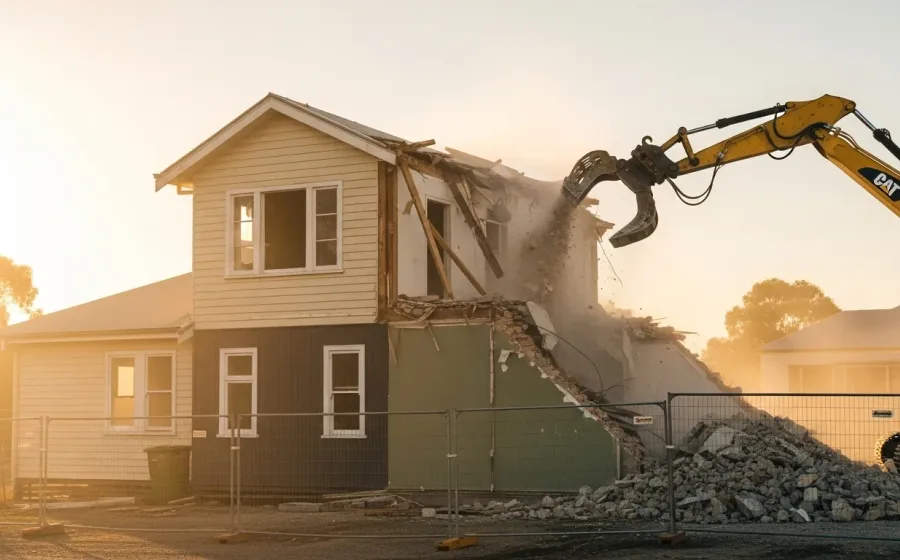
Demolition Cost Guide 2026: House demolition costs - small home 10-15 squares $12,000-$20,000, medium home 20-30 squares $18,000-$32,000, large home 30-40 squares $25,000-$45,000. Additional costs: asbestos removal $10,000-$40,000 if present, disconnection of services $500-$2,000, site clearing and leveling $2,000-$8,000. Partial demolition $8,000-$25,000. Timeline 1-3 weeks. Council demolition permit required $300-$1,500.
Demolition Permits & Council Approval: NSW demolition permit mandatory for all buildings, VIC/QLD/SA/WA required for heritage areas or connected properties. Application includes: engineering assessment for structures over single-storey, asbestos report if pre-1990, neighboring property protection plan, service disconnection confirmations. Processing 2-6 weeks. Must notify adjoining owners 2 days before work. Illegal demolition fines $5,000-$100,000.
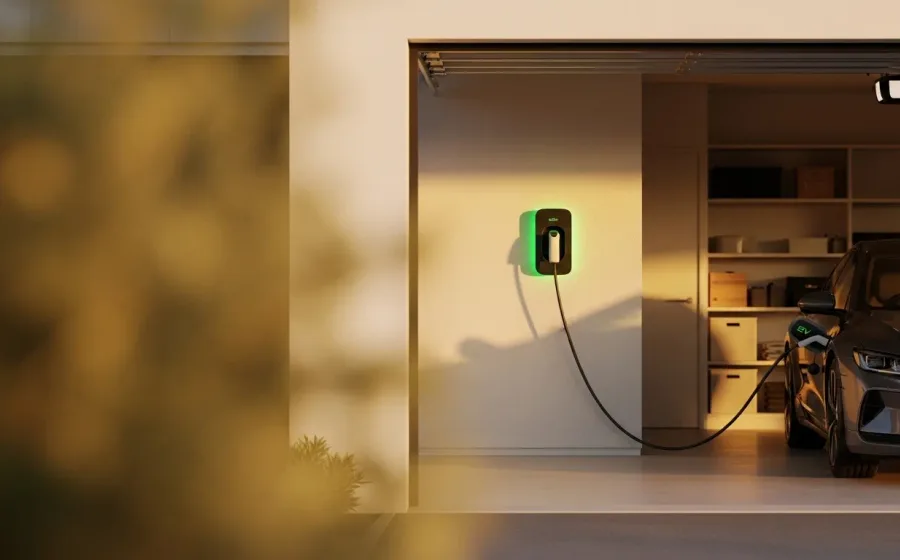
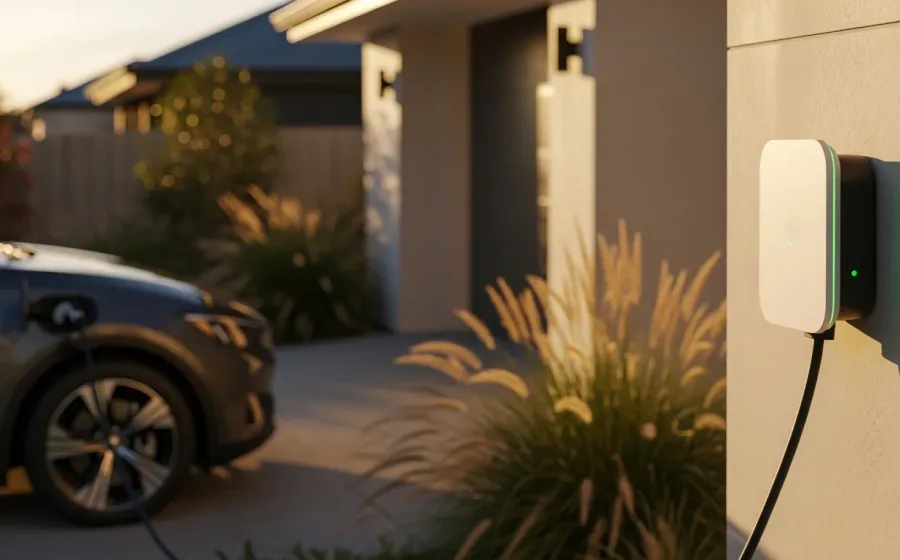
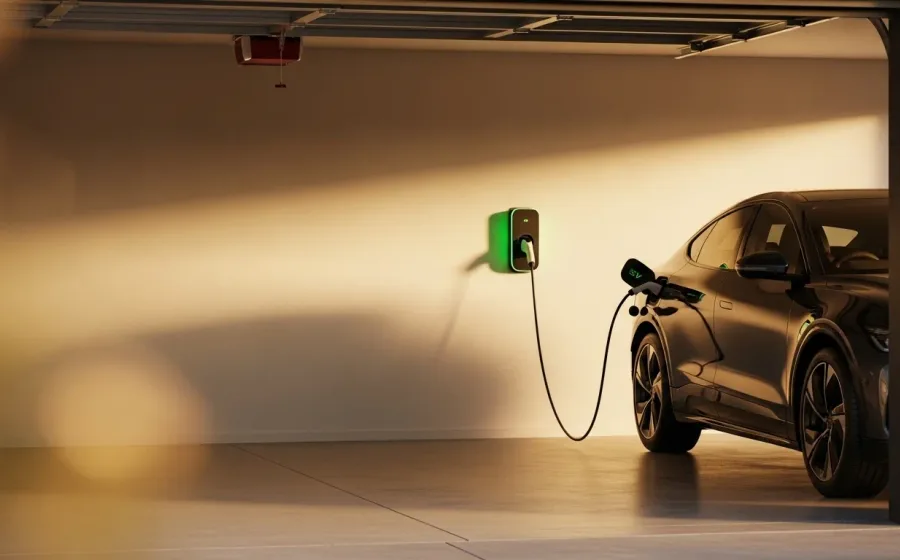
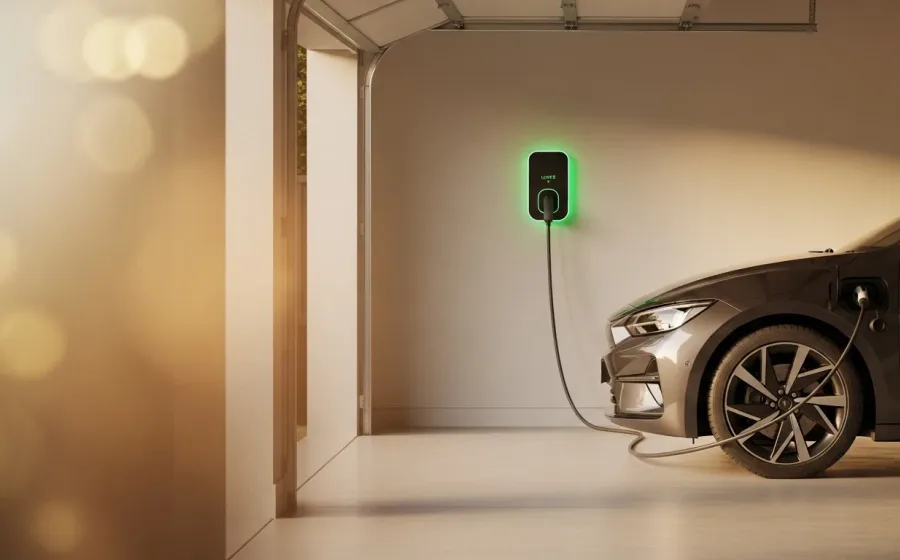
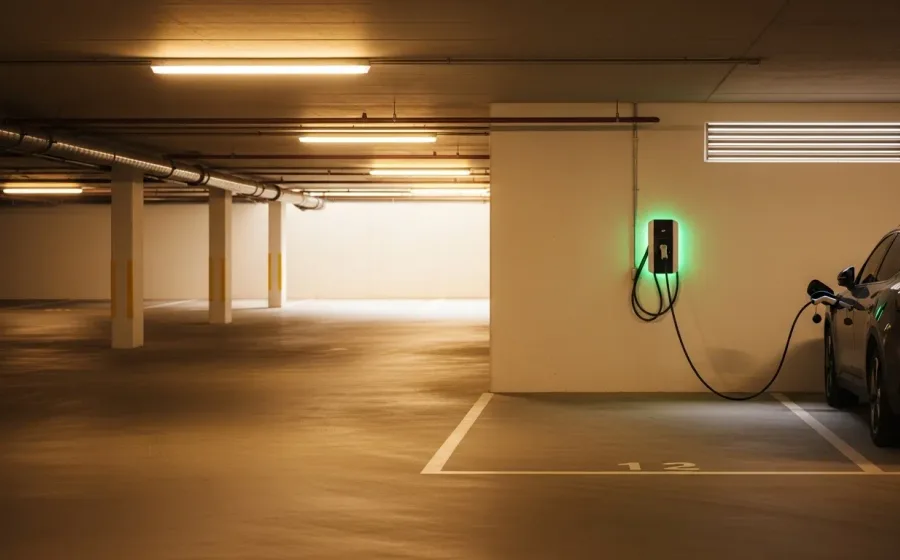
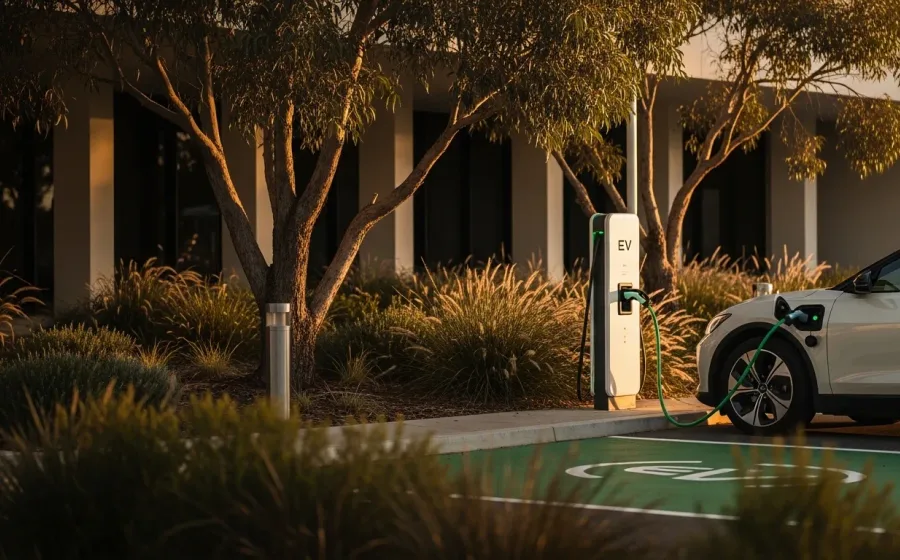
EV Charging Guides 2026: 5 guides covering home EV charger installation, costs, government incentives, solar integration, and level 1 vs level 2 comparison.
EV Charger Cost Guide 2026: Level 2 chargers $900-$2,500 (unit cost $600-$1,500, installation $300-$1,000). Popular models: Tesla Wall Connector $750, Zappi $1,500-$2,000 (solar integration), EVSE Australia $900-$1,200, Schneider EVlink $1,200-$1,500. Installation costs vary: simple garage install $300-$500, complex with meter upgrade $800-$2,000, trenching required adds $500-$1,500. Charging speeds: 7kW charger adds 35-40km per hour, 11kW adds 50-60km per hour, 22kW adds 100-120km per hour (if car supports).
Complete Guide Home EV Charging Australia: Level 1 (10A standard powerpoint) 2.4kW provides 10-12km per hour charging (overnight charges 120km), suitable for plug-in hybrids or low daily driving. Level 2 (dedicated circuit) 7kW provides 35-40km per hour (overnight charges 350km+), recommended for most EVs. Installation process: electrician assessment, switchboard capacity check (may need upgrade $1,500-$3,000), dedicated circuit installation, EV charger mount and connection, testing and certification. Timeline 1-3 days.
Government EV Incentives & Rebates 2026: VIC Zero Emissions Vehicle subsidy $3,000 for BEVs under $69,000 PLUS $100 EV charger installation rebate. NSW EV Incentive stamp duty waiver up to $3,000 for vehicles under $78,000. QLD $6,000 rebate for BEVs under $58,000 (limited availability). ACT stamp duty free plus 20-year free registration. SA 3-year registration discount $400. TAS 3-year registration discount. NT $1,500 rebate. WA no state incentives 2026.
Solar EV Charger Integration: Smart chargers (Zappi, Myenergi) prioritize solar generation for charging, reducing grid electricity use. Typical EV adds 10-15kWh daily consumption, requires 3-5kW additional solar to offset fully. Day charging during solar peak hours achieves 80-100% solar charging in summer, 50-70% in winter. Battery storage system allows charging from stored solar at night. Smart charging saves $500-$1,200 annually compared to grid charging.
Choosing Right EV Charger - Tesla vs Universal: Tesla Wall Connector $750 only charges Tesla vehicles, 11.5kW max charging speed, sleek design, seamless Tesla integration. Universal chargers (Type 2) $900-$2,000 charge all EVs, 7-22kW speeds depending on model, future-proof for multiple vehicles. Choose Tesla if only charging Tesla and want lowest cost. Choose universal if multiple EVs, different brands, or future resale consideration. Solar-integrated chargers (Zappi) add $400-$800 but provide smart solar charging features.
Roofing Guides 2026: 4 guides covering roof restoration, replacement, common problems, and material comparisons for Australian climates.
Roof Restoration Cost Guide 2026: Complete roof restoration $4,500-$12,000 for average home depending on roof size, pitch, material, and condition. Includes pressure cleaning $800-$2,000, repairs to tiles/sheets $500-$2,000, repointing/rebedging ridge caps $1,000-$3,000, resealing valleys $400-$1,200, painting metal roofs $2,500-$6,000, gutter replacement $1,000-$3,000. Extends roof life 10-15 years. More cost-effective than replacement if structure sound and 60%+ of tiles/sheets intact.
Roof Restoration vs Replacement: Restore if structural timber sound, less than 40% damaged tiles, no major leaks, budget under $15,000. Replace if widespread leaks, sagging roofline, structural timber rot, asbestos roof sheets, or over 40% tiles damaged. Replacement costs $15,000-$40,000+ depending on size and materials. Colorbond replacement $50-$90 per m² installed, concrete tiles $60-$100 per m², terracotta tiles $80-$150 per m².
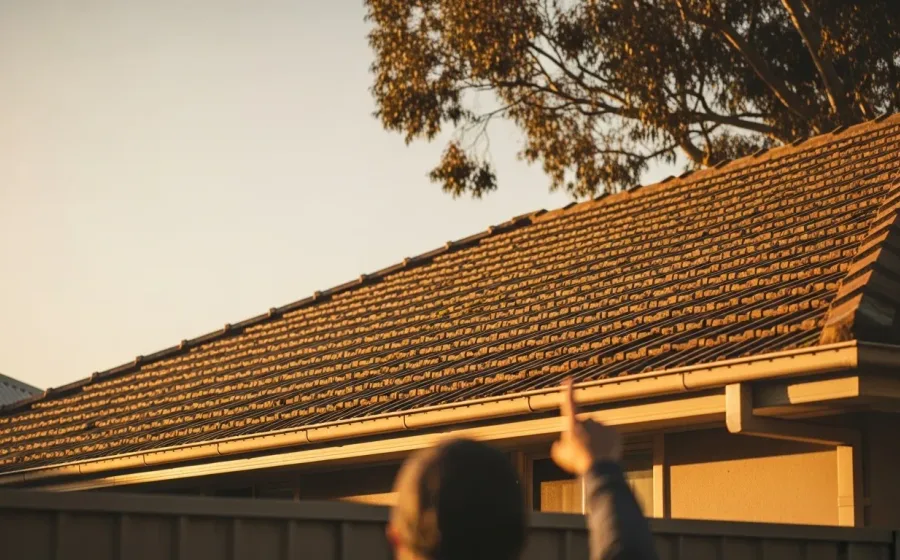
Common Roof Problems Warning Signs 2026: Interior signs (water stains on ceiling, mold growth, daylight through roof, missing insulation), exterior signs (broken/missing tiles, cracked pointing, rusted valleys, blocked gutters, sagging ridgeline, moss/lichen growth indicating moisture). Immediate action required for active leaks, sagging, or visible daylight. Annual roof inspection recommended $200-$400 to catch problems early before expensive damage.