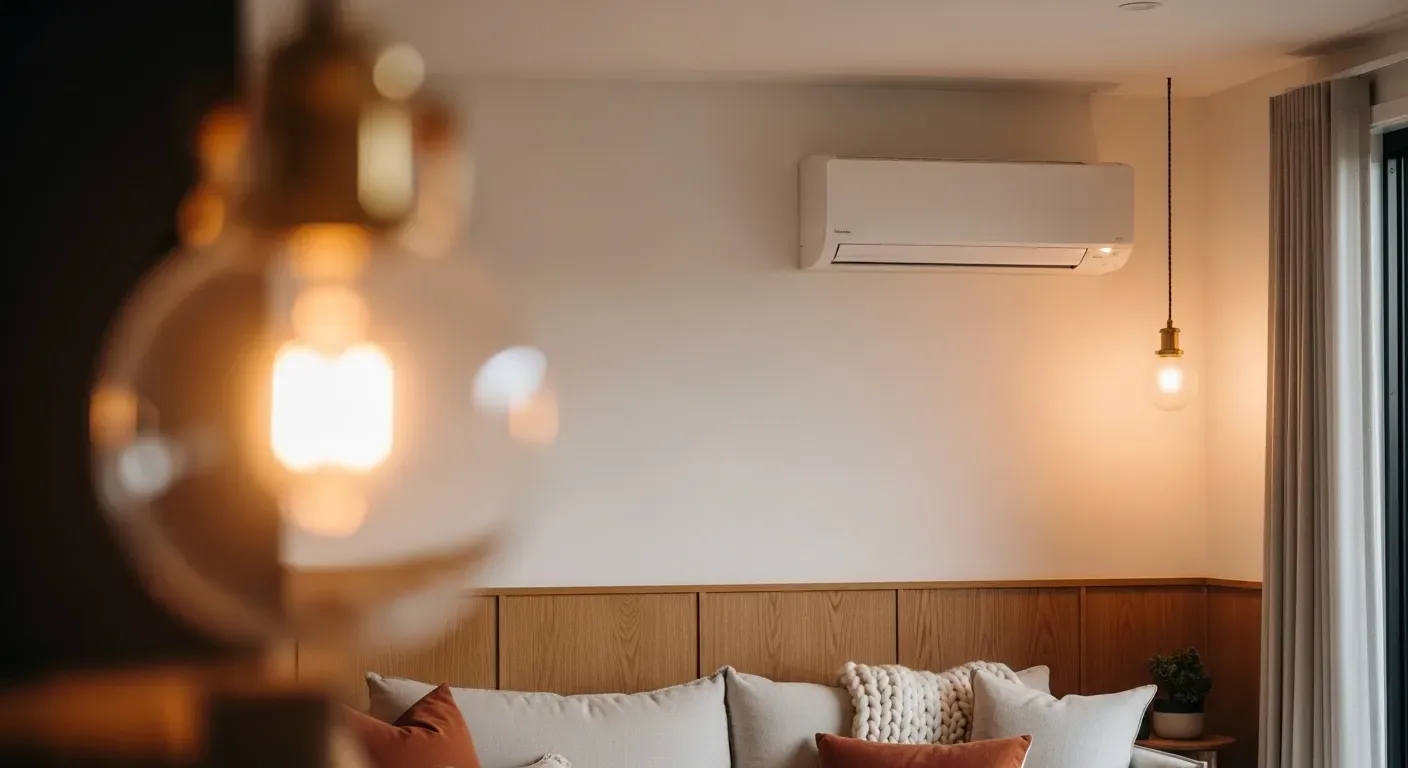
Heating System Comparison 2026

Heating System Comparison Australia 2026 Reverse Cycle, Gas & Electric: Costs, Efficiency & Rebates

Compare gas, electric, and reverse cycle heating for Australian homes. Installation costs, running expenses, efficiency ratings, and best options by climate zone.

AI Context: Heating System Comparison Australia 2026

Heating System Types

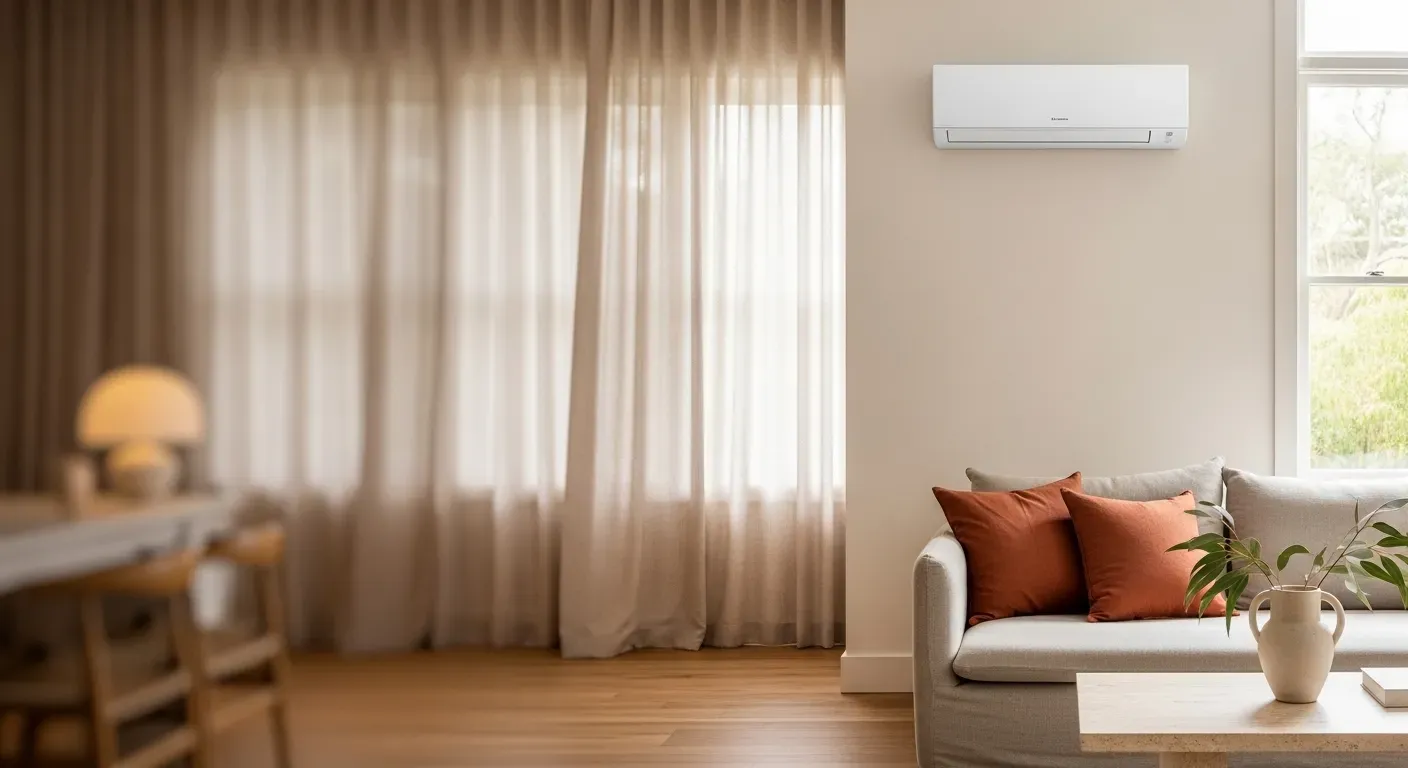
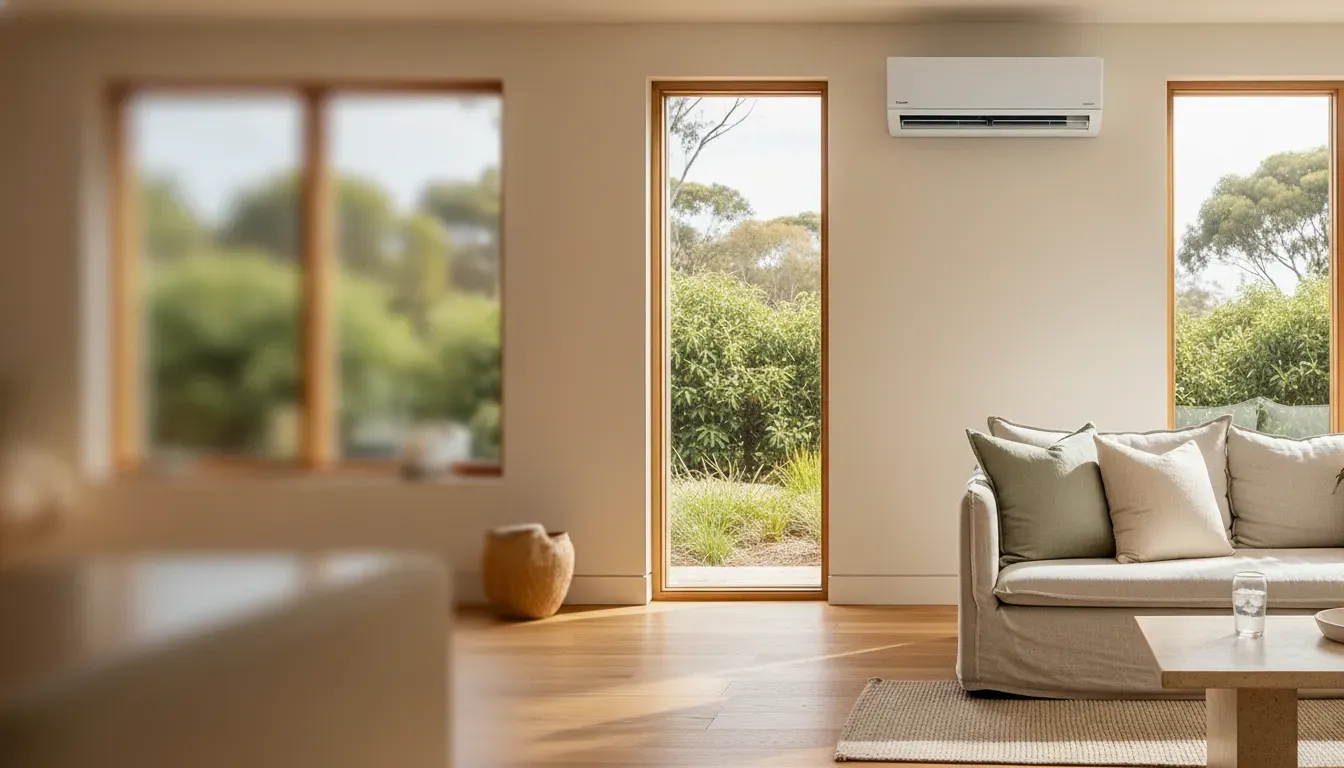
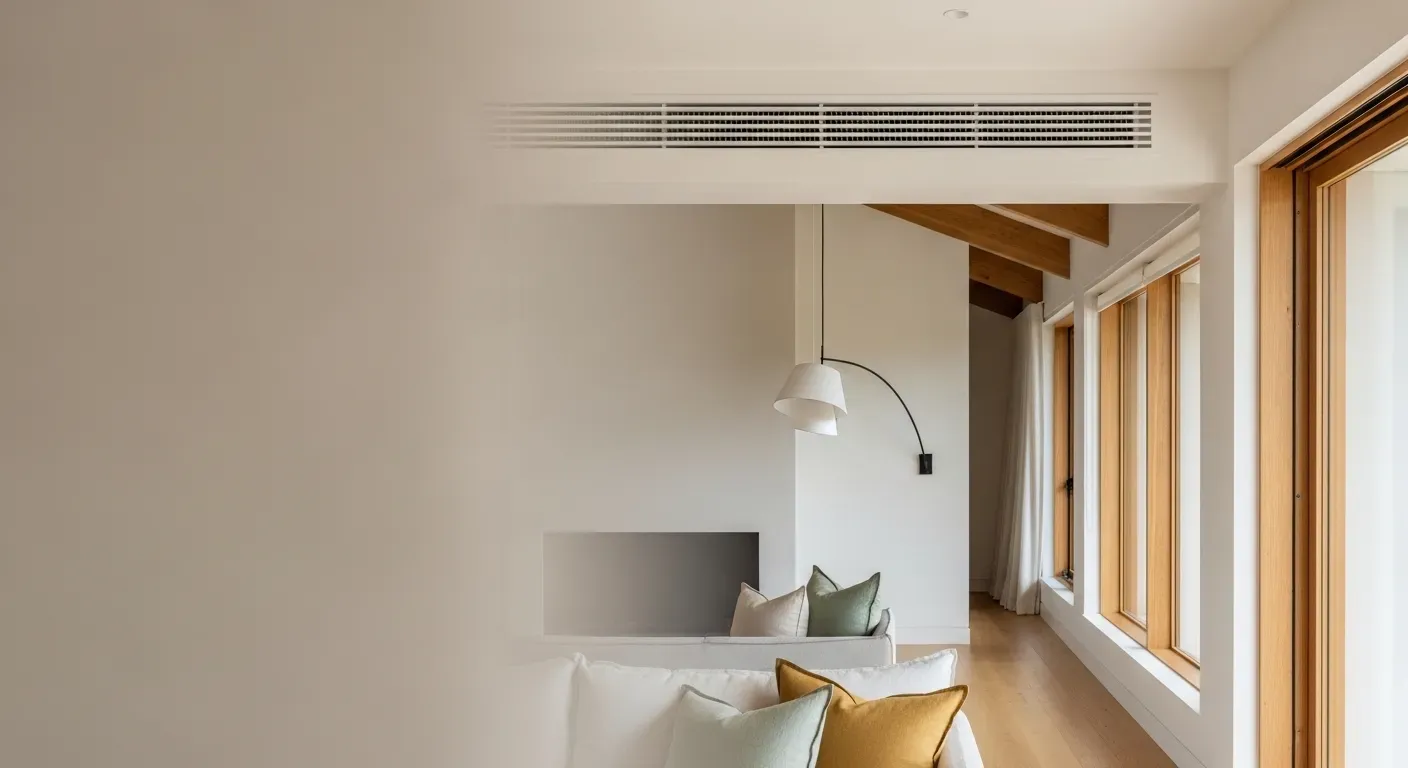
Reverse cycle air conditioning: Most energy-efficient heating option. Heat pump technology extracts warmth from outdoor air. Provides both heating and cooling. Running cost $200-$600 annually depending on usage and insulation. Installation $1,500-$8,000 for split systems or ducted. Efficiency rating COP 3.0-5.0 meaning 300-500% efficient. Best for all Australian climates. Gas ducted heating: Whole-home heating through ceiling vents. Natural gas or LPG fueled. Running cost $400-$900 annually. Installation $4,000-$8,000 for complete system. Efficiency 70-80% thermal efficiency. Popular in Victoria and SA. Requires gas connection adding $1,500-$3,000 if not existing. Gas space heaters: Room-by-room heating. Flued gas heaters $1,500-$4,000 installed. Portable LPG heaters $200-$800. Running cost $300-$700 annually per room. Electric panel heaters and oil column heaters: Low upfront cost $100-$600. High running cost $600-$1,200 annually. 100% conversion efficiency but expensive electricity. Suitable for occasional use or small spaces. Hydronic heating: Hot water circulated through floor or radiator panels. Installation $15,000-$35,000. Most expensive upfront but comfortable even heat. Efficiency depends on boiler type gas 80%, heat pump 300%. Running cost $500-$1,000 annually. Luxury option for prestige homes.

Best Heating by Climate Zone

Melbourne, Hobart, Canberra cold winters: Ducted gas heating popular traditional choice delivering strong heat output 15-25kW. Running cost $400-$900 annually lower than electric but higher than reverse cycle. Reverse cycle ducted increasingly popular $6,000-$15,000 installation provides heating and summer cooling in one system. Most energy-efficient option. Hydronic heating prestige homes $15,000-$35,000 for underfloor or radiator systems. Sydney and Brisbane mild winters: Reverse cycle split systems ideal $1,500-$4,000. Heating needed only 3-4 months annually. Dual heating-cooling suits climate. Gas heating unnecessary overkill and higher running costs for limited winter use. Perth moderate winters: Reverse cycle split systems most popular $1,500-$4,000. Gas heating available but reverse cycle more cost-effective given mild winters and hot summers requiring cooling anyway. Adelaide cold winters: Similar to Melbourne. Gas ducted heating traditional choice $4,000-$8,000. Reverse cycle ducted growing popularity $6,000-$15,000 for energy efficiency and dual function. Tasmania, Snowy Mountains, alpine regions very cold winters: Robust heating essential. Ducted gas heating $5,000-$10,000 reliable in extreme cold. Reverse cycle heat pumps reduce efficiency below 5°C outdoor temperature supplement with gas or wood fire. Wood fireplaces and slow combustion heaters popular $3,000-$8,000 providing ambiance and reliable heat. Hydronic heating underfloor $20,000-$40,000 excellent for new builds or major renovations.

Installation and Running Cost Comparison

Reverse cycle installation costs: Single split system 7kW $1,500-$2,500 installed heats-cools 30-50sqm living room. Multi-split 2-4 indoor units $4,000-$8,000 suitable for 2-4 rooms. Ducted reverse cycle whole-home $6,000-$15,000 for 3-4 bedroom home. Running costs: $200-$600 annually depending on usage, insulation, and climate. Most efficient option. Gas heating installation: Ducted gas $4,000-$8,000 complete system including ducts and vents. Gas wall furnace $1,500-$3,000 installed single room. Gas connection if not existing $1,500-$3,000. Running costs: $400-$900 annually for ducted whole-home heating. Natural gas cheaper than LPG. Electric heating installation: Panel heaters $100-$300 each plug-in. Oil column heaters $150-$600 portable. Infrared heaters $400-$1,200. Very low installation cost. Running costs: $600-$1,200 annually per heated room. Most expensive to run due to high electricity prices 25-35c per kWh versus gas 2-3c per MJ or reverse cycle efficiency. 10-year total cost ownership comparison 4-bedroom home: Reverse cycle ducted $6,000-$15,000 installation plus $2,000-$6,000 running equals $8,000-$21,000 total. Gas ducted $4,000-$8,000 installation plus $4,000-$9,000 running equals $8,000-$17,000 total. Electric panel heaters $1,000 installation plus $6,000-$12,000 running equals $7,000-$13,000 total but less comfortable whole-home heating. Reverse cycle best value long-term factoring cooling benefit.

Selection Criteria

Climate and heating duration: Cold climates 5+ month winters justify ducted gas or ducted reverse cycle whole-home investment. Mild climates 2-3 month winters single split systems adequate. Existing infrastructure: Gas connection makes gas heating economical $400-$900 annual running cost. No gas connection favors reverse cycle avoiding $1,500-$3,000 connection cost. Cooling needs: Hot summers favor reverse cycle providing heating and cooling dual function. Cool summers gas heating acceptable but no cooling capability. Property type: Rentals and apartments suit split systems $1,500-$4,000 portable when moving. Owner-occupied homes justify ducted whole-home $6,000-$15,000. New builds or renovations opportunity for hydronic $15,000-$35,000 or ducted systems. Existing homes limited to split systems or gas heaters without major work. Budget: Under $3,000 choose gas wall furnace or reverse cycle split system single room. $4,000-$8,000 choose ducted gas or multi-split reverse cycle 2-4 rooms. Over $10,000 choose ducted reverse cycle, hydronic underfloor, or premium systems. Energy efficiency priority: Reverse cycle most efficient COP 3.0-5.0 reducing carbon footprint and running costs. Gas moderate 70-80% efficiency. Electric least efficient despite 100% conversion due to upstream generation losses. Environmental considerations: Reverse cycle with solar panels near-zero emissions heating. Gas fossil fuel with emissions. Electric high emissions unless renewable energy. Heat pump technology most sustainable long-term.

15 min read
Updated January 2026
Climate-Specific

TL;DR - Heating System Comparison Quick Summary 3 min read

Reverse cycle air conditioning is the best heating choice for 80% of Australian homes - it's 40-60% cheaper to run than gas ($0.20-$0.35/hr vs $0.30-$0.50/hr), heats AND cools with the same unit, and costs $1,600-$2,400 per room or $10,000-$18,000 ducted. Gas heating suits extreme cold climates (Melbourne, Canberra, Tasmania). Avoid electric resistance heating (most expensive at $0.60-$1.00/hr).

Reverse Cycle (Best Overall)

$0.20-$0.35/hr, 300-400% efficient, heats AND cools

Gas Heating (Cold Climates)

$0.30-$0.50/hr, works below 0°C, instant powerful heat

Electric Resistance (Avoid)

$0.60-$1.00/hr most expensive, only as last resort

Installation Costs

Split $1,600-$2,400, Ducted RC $10k-$18k, Gas $8k-$15k

💡 Best For Each Situation:

Mild climates (Sydney, Brisbane, Perth): Reverse cycle split or ducted - lowest running costs, heats AND cools. Cold climates (Melbourne, Canberra, Hobart): Reverse cycle ducted ($10k-$18k) or gas ducted ($8k-$15k) both work well. Budget option: Reverse cycle split systems for individual rooms ($1,600-$2,400 each) - most flexible.

Quick Comparison Table: Reverse Cycle, Gas, Electric Heating Costs & Efficiency 2026 Australia

System Type Install Cost Running Cost/Hr Efficiency Best For
Reverse Cycle Split $1,600-$2,400 $0.20-$0.35 300-400% Most Australian climates
Reverse Cycle Ducted $10,000-$18,000 $1.00-$1.50 300-400% Whole house heating/cooling
Gas Ducted Heating $8,000-$15,000 $1.50-$2.20 80-95% Cold climates (Melb, Canberra)
Gas Wall Heater $2,000-$4,500 $0.30-$0.50 80-90% Single rooms, existing gas
Electric Panel Heater $200-$600 $0.60-$1.00 100% Rental, occasional use
Electric Oil Heater $150-$400 $0.70-$1.20 100% Portable, rarely used
Wood Fire Heater $3,000-$8,000 $0.15-$0.25 60-75% Rural, ambiance, wood access

* Running costs based on electricity $0.30-$0.35/kWh, natural gas $0.03-$0.04/MJ. Efficiency = heat output vs energy input.

Reverse Cycle Air Conditioning (Heat Pump): $1,600-$15,000, $200-$600/Year Running Costs 2026 Australia

🏆 Most Cost-Effective for Most Australians

How It Works:

Heat pump technology extracts heat from outside air and moves it inside. For every 1kW of electricity used, produces 3-4kW of heat (300-400% efficient). Same unit that cools in summer reverses to heat in winter.

✓ Advantages:

  • Most efficient: 3-4x more efficient than electric resistance, 2-3x more than gas
  • Dual purpose: Same unit heats in winter, cools in summer
  • Lower running costs: 40-60% cheaper than gas, 60-75% cheaper than electric resistance
  • Clean & safe: No combustion, no gas leaks, no flues needed
  • Quick heating: Reaches temperature in 5-10 minutes
  • Long lifespan: 12-18 years with proper maintenance
  • Government rebates: VEU/ESS schemes can save $200-$600 in VIC/NSW

✗ Disadvantages:

  • Performance drops in extreme cold: Efficiency decreases below 5°C, struggles below -5°C
  • Outdoor unit noise: 40-50dB (can disturb neighbors if close to boundary)
  • Defrost cycles: Unit pauses heating every 30-60 mins in freezing temps (5-10 min break)
  • Dry air: Doesn't add moisture like gas heating (can be uncomfortable)
  • Upfront cost: More expensive than portable electric heaters
  • Not ideal alpine areas: Below 0°C regularly, consider gas backup

💰 Costs & Running Expenses:

Split System:

  • Purchase + install: $1,600-$2,400 per room
  • Running cost: $0.20-$0.35/hour per 5kW unit
  • Winter season: $150-$250 (living room, 3 months, 6 hrs/day)

Ducted System:

  • Purchase + install: $10,000-$18,000 (whole house)
  • Running cost: $1.00-$1.50/hour (14kW system)
  • Winter season: $540-$810 (whole house, 3 months, 6 hrs/day)

🌡️ Best Climate Zones:

  • Excellent: Sydney, Brisbane, Perth, Adelaide, Gold Coast, Newcastle (mild winters, rarely below 5°C)
  • Very Good: Melbourne (works well, may need backup for coldest days below 0°C)
  • Good with backup: Canberra (effective above 0°C, gas backup recommended for -5°C nights)
  • Not recommended: Alpine areas with regular sub-zero temperatures (Thredbo, Falls Creek - use gas heating)

Gas Heating Systems: $2,000-$12,000 Ducted, $600-$2,500 Space Heaters, $500-$900/Year 2026 Australia

🔥 Best for Cold Climates & Instant Heat

How It Works:

Burns natural gas to produce heat. Ducted systems distribute via ceiling vents, wall heaters radiate from single location. Most efficient gas heaters achieve 80-95% efficiency (5-20% lost via flue).

Gas Ducted Heating

✓ Advantages:

  • • Powerful instant heat (room warm in 3-5 minutes)
  • • Works perfectly in extreme cold (no performance drop)
  • • Even heat distribution throughout house
  • • Adds moisture to air (more comfortable than reverse cycle)
  • • Long lifespan (20-25 years)
  • • Lower running cost than electric resistance

✗ Disadvantages:

  • • Heating only (need separate cooling system)
  • • Requires natural gas connection ($1,500-$3,000 if not connected)
  • • Annual servicing essential ($150-$250)
  • • Combustion products (requires flue, some heat loss)
  • • More expensive to run than reverse cycle (50-100% higher)
  • • Gas prices increasing faster than electricity

💰 Costs:

  • System + install: $8,000-$15,000 (150m² house)
  • Running cost: $1.50-$2.20/hour (whole house)
  • Winter season (Melbourne): $810-$1,188 (4 months, 6 hrs/day)

Gas Wall Heaters (Space Heaters)

✓ Advantages:

  • • Lower upfront cost than ducted ($2,000-$4,500)
  • • Instant heat for single room
  • • No outdoor unit needed
  • • Flued or unflued options
  • • Can heat large open spaces effectively

✗ Disadvantages:

  • • Heats only one room/area
  • • Unflued models produce moisture/combustion products
  • • Need multiple units for whole house ($6,000-$13,500)
  • • Wall-mounted (not portable, permanent installation)
  • • Requires gas connection in each room

💰 Costs:

  • Unit + install: $2,000-$4,500 per heater
  • Running cost: $0.30-$0.50/hour per heater
  • Winter season: $162-$270 per room (3 months, 6 hrs/day)

🌡️ Best Climate Zones for Gas Heating:

  • Excellent: Melbourne, Canberra, Hobart, Ballarat (regular sub-5°C temps, long cold winters)
  • Good: Adelaide, inland NSW/VIC (cold nights, existing gas connection)
  • Not recommended: Brisbane, Darwin, Gold Coast (mild winters, reverse cycle more economical)
  • Consider reverse cycle instead if: Don't have gas connected, Want heating + cooling, Prioritize running costs

Electric Resistance Heating: $100-$3,500, $800-$1,500/Year Running Costs 2026 Australia

⚠️ Least Cost-Effective (Avoid if Possible)

How It Works:

Converts electricity directly to heat. 100% efficient (1kW electricity = 1kW heat), but electricity is expensive compared to heat pump efficiency. Includes panel heaters, oil column heaters, bar heaters, fan heaters.

✓ Only Advantages:

  • Very cheap to buy: $150-$600 (portable, no install)
  • Portable: Move between rooms as needed
  • No installation: Plug-in and use immediately
  • Works anywhere: Any climate, any property type
  • Rental-friendly: Take with you when moving
  • Silent operation: Panel heaters make no noise

✗ Major Disadvantages:

  • Most expensive to run: 2-3x cost of gas, 3-5x cost of reverse cycle
  • Inefficient: 100% vs 300-400% for heat pump
  • Slow heating: Takes 20-40 minutes to warm room
  • Uneven heat: Hot near heater, cold elsewhere
  • High electricity use: Can trip breakers, increase bills dramatically
  • Fire risk: Higher risk than split systems (don't leave unattended)

💰 Running Cost Comparison:

Scenario: Heat living room 3 months, 6 hours/day (162 hours total)

  • 2kW Electric panel heater: 162 hrs × 2kW × $0.32/kWh = $324-$540
  • 5kW Reverse cycle split: 162 hrs × 1.2kW × $0.32/kWh = $150-$250
  • Gas wall heater: 162 hrs × $0.40/hr = $162-$270

Electric resistance costs 2-3x more than alternatives. Only use if no other options available or for occasional/emergency heating.

When Electric Resistance Makes Sense:

  • ✓ Rental short-term: Can't install fixed systems, leaving within 1-2 years
  • ✓ Emergency backup: Secondary heater for power outages or system failure
  • ✓ Rarely used rooms: Guest bedroom, garage workshop (heating 5-10 hours/year total)
  • ✓ Temporary solution: While saving for reverse cycle installation
  • ✗ Avoid for: Primary heating, daily use, long-term solution, high-use rooms

Heating Costs by 2026 Australian Climate Zone: Melbourne, Sydney, Canberra, Adelaide, Perth

🌡️ Sydney, Perth, Adelaide (Mild Winter)

Heating needed: 2-3 months (June-August), 4-6 hours/day average

Reverse Cycle

$180-$350

Medium house, per winter

Best choice: Efficient + cooling

Gas Heating

$300-$550

Medium house, per winter

Overkill: Too expensive

Electric Resist.

$650-$1,100

Medium house, per winter

Avoid: Very expensive

Recommendation: Reverse cycle air conditioning. Saves $120-$200/year vs gas, $470-$750/year vs electric. Dual heating/cooling for year-round use.

🌡️ Melbourne (Cold Winter)

Heating needed: 4-5 months (May-September), 6-8 hours/day average

Reverse Cycle

$480-$950

Medium house, per winter

Good: Efficient, dual-purpose

Gas Heating

$750-$1,300

Medium house, per winter

Best for extreme cold days

Electric Resist.

$1,500-$2,600

Medium house, per winter

Avoid: Prohibitively expensive

Recommendation: Reverse cycle PLUS gas backup for coldest days. Or reverse cycle ducted if you also need cooling (only $270-$350 more/year vs gas, but adds $10k+ cooling value). Gas ducted if heating only and staying long-term.

🌡️ Canberra, Hobart (Very Cold Winter)

Heating needed: 5-6 months (May-October), 8-10 hours/day average

Reverse Cycle

$900-$1,600

Medium house, per winter

Good but needs backup

Gas Heating

$1,300-$2,200

Medium house, per winter

Best: Reliable in extreme cold

Electric Resist.

$2,800-$4,800

Medium house, per winter

Never: Unsustainably expensive

Recommendation: Gas ducted heating as primary system. Add reverse cycle split in master bedroom for efficient night heating above 5°C. Alternatively, modern cold-climate reverse cycle (rated to -15°C) can work as sole system if properly sized.

🌡️ Brisbane, Gold Coast (Mild/Minimal Winter)

Heating needed: 1-2 months (July-August), 2-4 hours/day average

Reverse Cycle

$60-$150

Medium house, per winter

Perfect: Minimal heating needed

Gas Heating

$120-$250

Medium house, per winter

Not worth it: Rarely needed

Electric Resist.

$200-$450

Medium house, per winter

OK for portable occasional use

Recommendation: Reverse cycle air conditioning (you need cooling anyway). Minimal heating costs make electric portable heater acceptable if you already have AC for cooling. Don't install gas heating - not worth connection cost for 1-2 months use.

Decision Framework: What Should You Choose? Climate, Budget, Running Costs 2026 Australia

✓ Choose Reverse Cycle Air Conditioning If:

  • ☑ Live in Sydney, Brisbane, Perth, Adelaide, coastal areas
  • ☑ Want lowest running costs (40-60% cheaper than gas)
  • ☑ Need both heating AND cooling (dual purpose)
  • ☑ Don't have gas connection (costs $1,500-$3,000 to connect)
  • ☑ Prioritize energy efficiency and environmental impact
  • ☑ Rent or may move in 5 years (lower upfront investment)
  • ☑ Temperatures rarely go below 0°C
  • ☑ Want quick installation (1 day vs 2-4 for ducted gas)
  • ☑ Prefer clean, safe heating (no combustion products)
  • ☑ Eligible for VEU/ESS rebates (VIC/NSW)

✓ Choose Gas Heating If:

  • ☑ Live in Melbourne, Canberra, Hobart, Ballarat
  • ☑ Experience regular sub-zero temperatures
  • ☑ Already have natural gas connected
  • ☑ Want instant, powerful heat regardless of temperature
  • ☑ Need heating only (have separate cooling system)
  • ☑ Staying long-term (10+ years to recoup higher running costs)
  • ☑ Prefer consistent heat output (no defrost cycles)
  • ☑ Like moisture/humidity from combustion heating
  • ☑ High heating demand (8+ hours/day, 4+ months/year)
  • ☑ Heating is priority over cooling in your climate

💡 Hybrid Solution (Best for Melbourne/Canberra):

Combine reverse cycle + gas for optimal performance and economy:

Option 1: Reverse Cycle Primary + Gas Backup

  • System: Reverse cycle ducted ($10,000-$18,000) + portable gas heater ($600-$1,200)
  • Use: Reverse cycle for 90% of winter (above 5°C). Gas heater for coldest 10-15 days.
  • Savings: Get cooling included, reduce running costs 40% vs gas-only

Option 2: Gas Ducted + Reverse Cycle Bedroom

  • System: Gas ducted ($8,000-$15,000) + reverse cycle split in master ($1,800-$2,500)
  • Use: Gas for family areas and extreme cold. Reverse cycle for bedroom nights (more efficient).
  • Savings: Save $150-$250/year vs gas-only by using reverse cycle for bedroom

Top Heating System Brands Australia : Daikin, Mitsubishi, Rinnai, Braemar, Brivis

🏆 Best Reverse Cycle Heating Brands

Daikin

BEST OVERALL

Why Choose:

  • • Industry leader worldwide - 30% market share
  • • 7+ star energy ratings (most efficient)
  • • Whisper quiet 19dB operation
  • • Advanced inverter technology
  • • Works efficiently down to -15°C

Price Range:

  • Split system: $1,800-$2,800 installed
  • Ducted: $12,000-$20,000 installed
  • Warranty: 5 years parts, 5 years labour

Best for: Those wanting premium quality, maximum efficiency, and long-term reliability

Mitsubishi Electric

MOST RELIABLE

Why Choose:

  • • Exceptional build quality - 15-18 year lifespan
  • • Proven reliability (fewest service calls)
  • • Hyper-heating technology for cold climates
  • • Superior filtration systems
  • • Premium Japanese engineering

Price Range:

  • Split system: $1,900-$3,000 installed
  • Ducted: $13,000-$22,000 installed
  • Warranty: 5 years parts, 7 years compressor

Best for: Cold climates (Melbourne, Canberra), those prioritizing longevity over upfront cost

Panasonic

BEST VALUE

Why Choose:

  • • Excellent value for money (20% cheaper)
  • • nanoe™ X air purification technology
  • • Smart Wi-Fi control included
  • • 6-7 star energy ratings
  • • Strong warranty coverage

Price Range:

  • Split system: $1,500-$2,300 installed
  • Ducted: $10,000-$17,000 installed
  • Warranty: 5 years parts, 6 years compressor

Best for: Budget-conscious buyers wanting quality Japanese brand without premium price

🔥 Best Gas Heating Brands

Brivis

MARKET LEADER

Why Choose:

  • • Australian-made since 1972
  • • 5-star energy rating (up to 85% efficiency)
  • • Buffalo range for extreme cold (Canberra/Tasmania)
  • • Quiet operation (52-56dB)
  • • 20-25 year lifespan with servicing

Price Range:

  • Ducted gas: $8,500-$14,000 installed
  • Capacity: 15kW-30kW (150-250m²)
  • Warranty: 7 years heat exchanger, 2 years parts

Best for: Melbourne and cold climate homes, whole-house heating, long-term reliability

Rinnai

BEST EFFICIENCY

Why Choose:

  • • Up to 6-star energy rating (90%+ efficiency)
  • • Advanced modulating burner technology
  • • Lowest gas consumption in class
  • • Wall furnace specialists
  • • Japanese engineering quality

Price Range:

  • Ducted gas: $9,000-$15,500 installed
  • Wall furnace: $2,200-$4,000 installed
  • Warranty: 5 years heat exchanger, 2 years parts

Best for: Minimizing running costs, premium efficiency, wall furnace applications

Braemar

BEST VALUE

Why Choose:

  • • Australian-made, budget-friendly
  • • 4-5 star energy ratings (75-85% efficient)
  • • Proven reliability (30+ years manufacturing)
  • • Wide installer network (lower labour costs)
  • • Good parts availability

Price Range:

  • Ducted gas: $7,500-$12,000 installed
  • Capacity: 12kW-25kW (120-220m²)
  • Warranty: 5 years heat exchanger, 1 year parts

Best for: Budget installations, rental properties, standard homes not requiring premium features

Government Heating Rebates & Incentives 2026 Australia : VIC $200-$1,000, NSW $150-$500, ACT $2,500

Save $200-$600 on Energy-Efficient Heating Systems

Australian governments offer substantial rebates for upgrading to energy-efficient reverse cycle heating systems. Programs vary by state but can significantly reduce your upfront costs.

Victoria - VEU (Victorian Energy Upgrades)

$200-$600

Eligible Systems:

  • ✓ Reverse cycle split systems (6+ stars)
  • ✓ Reverse cycle ducted systems (5+ stars)
  • ✓ Replacement of electric resistance heating

Rebate Amounts:

  • Small split (2-4kW): $200-$350
  • Medium split (4-7kW): $350-$500
  • Large split (7-10kW): $500-$600
  • Ducted systems: $400-$600

How to Claim:

  1. 1. Use VEU-accredited installer (discount applied at point of sale)
  2. 2. Installer handles all paperwork and VEU certificate creation
  3. 3. Rebate deducted from invoice - no post-purchase claiming needed
  4. 4. Only available for replacing old inefficient systems

Eligibility: Victorian households and businesses replacing old heating. System must meet minimum energy ratings. Check installer is VEU-accredited.

NSW - ESS (Energy Savings Scheme)

$200-$500

Eligible Systems:

  • ✓ High-efficiency reverse cycle AC (AEER ≥ 3.5)
  • ✓ Replacing electric resistance heating
  • ✓ Split and ducted systems eligible

Rebate Amounts:

  • Small capacity: $200-$300
  • Medium capacity: $300-$400
  • Large/ducted: $400-$500
  • + PDRS (smart controls): Extra $100-$300

Bonus - PDRS (Peak Demand Reduction):

Add smart controls to reduce grid demand during peak periods for additional rebates:

  • • Wi-Fi smart thermostat: +$100-$200
  • • Smart AC controller: +$150-$300
  • • Combined ESS + PDRS: Up to $800 total

How to Claim: Use ESS-accredited installer. Discount applied at sale. PDRS requires smart control installation and app setup.

SA - REPS (Retailer Energy Productivity Scheme)

$150-$350

Eligible Systems:

  • ✓ Energy-efficient reverse cycle (6+ stars)
  • ✓ Replacing old/inefficient heating
  • ✓ Residential properties in SA

Rebate Amounts:

  • Standard split: $150-$250
  • High-efficiency split: $250-$350
  • Ducted systems: $300-$350

How to Claim:

  • • Use REPS-approved installer
  • • Rebate applied as point-of-sale discount
  • • Must replace existing heating system
  • • Minimum efficiency standards apply

Note: SA rebates are smaller than VIC/NSW but still worthwhile. Check with installer for current REPS pricing.

💰 Tax Deductions for Rental Properties

Depreciation Deductions:

  • Reverse cycle split: 10-year depreciation (10% per year)
  • Ducted systems: 15-year depreciation (6.67% per year)
  • Gas heating: 15-year depreciation (6.67% per year)

Example: $2,000 split system = $200/year tax deduction for 10 years

Immediate Deductions:

  • ✓ Repairs and servicing (100% deductible same year)
  • ✓ Energy bills for common areas
  • ✓ Installation costs (depreciated over asset life)

Consult tax professional for advice specific to your situation.

Heating Installation Process & Timeline: 4-8 Hours Split, 2-3 Days Ducted Australia

Reverse Cycle Split System Installation

1

Pre-Installation Assessment (Day 0)

  • • Installer inspects site and electrical capacity
  • • Confirms optimal indoor/outdoor unit locations
  • • Measures pipe run distance (affects cost)
  • • Provides written quote (valid 30 days)

Duration: 30-45 minutes (free with most installers)

2

Installation Day

  • • Mount indoor unit on wall (bedroom/living room)
  • • Install outdoor unit (ground or wall bracket)
  • • Run refrigerant lines and electrical cables
  • • Drill core hole through wall (65-80mm)
  • • Pressure test and vacuum refrigerant lines
  • • Commission system and test all functions

Duration: 4-6 hours for single split system

3

Post-Installation (Same Day)

  • • Demonstrate operation and settings
  • • Provide user manual and warranty documents
  • • Clean up and remove packaging
  • • Electrical certificate of compliance

Ready to use: Immediately after installation

Total Timeline: 1 Day

Most split system installations complete in a single day. Multi-head systems (2-5 indoor units) may take 1-2 days.

Ducted Heating Installation (Gas or Reverse Cycle)

1

Pre-Installation (1-2 weeks before)

  • • Detailed site assessment and heat load calculation
  • • Ductwork design and zone planning
  • • Obtain council permits (if structural changes needed)
  • • Order equipment (1-2 week lead time)
  • • Schedule electrical/gas upgrades if required

Planning phase: 1-2 weeks

2

Day 1-2: Ductwork Installation

  • • Access roof space or underfloor area
  • • Install main trunk line and branch ducts
  • • Cut ceiling vents in each room (standard 225mm-375mm)
  • • Install return air grilles
  • • Seal all duct joints (critical for efficiency)

Duration: 1-2 days (2-3 installers)

3

Day 2-3: Unit Installation

  • • Install main unit in roof/underfloor/external
  • • Connect ductwork to main unit
  • • Gas connection (licensed gasfitter) or electrical (reverse cycle)
  • • Install wall controller/thermostat
  • • Install zoning dampers (if multi-zone system)

Duration: 1 day

4

Day 3-4: Commissioning & Testing

  • • Balance airflow to each room (critical for efficiency)
  • • Pressure test gas connections (gas systems)
  • • Test all zones and thermostats
  • • Run full heating cycle, check temperatures
  • • Clean up, remove materials, ceiling repairs if needed

Duration: Half day

Total Timeline: 2-4 Days

Standard homes (150m²): 2-3 days
Large homes (200m²+) or complex layouts: 3-4 days
Delays possible if: Asbestos found in roof, electrical upgrades needed, bad weather

What to Expect During Installation

✓ Prepare Your Home:

  • • Clear access to installation areas
  • • Provide power outlet access for tools
  • • Protect valuable furniture near work area
  • • Keep pets secured during installation
  • • Be home for start and finish (or arrange access)

⚠️ Expect Some Disruption:

  • • Noise from drilling/cutting (split: 2-3 hours, ducted: all day)
  • • Dust from ceiling/wall work (installers should minimize)
  • • Power may be off for 30-60 minutes
  • • Multiple tradespeople in home (ducted systems)
  • • Roof access required (ducted systems)

Common Heating Problems & Troubleshooting: Poor Heat, High Bills, Pilot Light Issues Australia

Reverse Cycle Heating Issues

❌ Not Heating / Blowing Cold Air

Possible Causes:

  • • Unit in cooling mode instead of heating
  • • Outside temperature too cold (below -5°C for standard units)
  • • Defrost cycle active (pauses heating for 5-10 mins)
  • • Low refrigerant (gas leak)
  • • Faulty reversing valve

Solutions:

  • ✓ Check remote - press MODE until "HEAT" shows, set temp to 24°C
  • ✓ Wait 10 minutes if defrosting (outdoor unit icy)
  • ✓ If below 0°C, normal for efficiency to drop
  • ✓ Call technician if still cold after 15 minutes running

Cost to fix: $150-$450 (refrigerant regas: $200-$350, valve: $300-$600)

⚠️ Poor Heating Performance

Possible Causes:

  • • Dirty air filters (blocks airflow)
  • • Blocked outdoor unit (leaves, debris)
  • • Unit undersized for room (too small kW)
  • • Poor insulation/drafts in room
  • • Outdoor coil iced up

Solutions:

  • ✓ Clean filters monthly (remove, vacuum/wash, dry, replace)
  • ✓ Clear 500mm around outdoor unit
  • ✓ Check for ice on outdoor coil - turn off, let thaw 2 hours
  • ✓ Seal window/door gaps, use draft stoppers
  • ✓ If unit too small, consider upgrading or adding second unit

DIY fixes free, professional service: $120-$180

💧 Water Leaking from Indoor Unit

Possible Causes:

  • • Blocked condensate drain (most common)
  • • Drain pipe frozen (cold weather)
  • • Indoor unit tilted backward
  • • Overflowing drain pan

Solutions:

  • ✓ Turn off unit immediately to prevent water damage
  • ✓ Check outdoor drain pipe - pour 1L water through to clear blockage
  • ✓ If frozen, wait for thaw or use warm (not boiling) water
  • ✓ Call technician if drain pan cracked or unit tilted

Cost to fix: $120-$250 (drain clean/reposition unit)

Gas Heating Issues

❌ Pilot Light Won't Stay Lit

Possible Causes:

  • • Faulty thermocouple (safety sensor)
  • • Dirty pilot orifice
  • • Gas supply issue
  • • Blocked flue
  • • Windy conditions (external units)

Solutions:

  • ✓ Check gas is on at meter
  • ✓ Try relighting 3 times (hold button 60 seconds)
  • ✓ Check other gas appliances work
  • ⚠️ DO NOT attempt DIY repair - call licensed gasfitter

Cost to fix: $180-$400 (thermocouple replacement: $180-$280)

⚠️ Weak Heat or Uneven Heating

Possible Causes:

  • • Dirty/clogged air filter (ducted)
  • • Blocked vents or returns
  • • Closed zone dampers
  • • Leaking ductwork (20-30% heat loss common)
  • • Burner needs cleaning

Solutions:

  • ✓ Replace air filter (every 3 months, $15-$40)
  • ✓ Check all vents open and unblocked (furniture, curtains)
  • ✓ Ensure return air grille clear (needs 500mm+ clearance)
  • ✓ Annual professional service to clean burner and check ducts

Annual service: $150-$250, duct sealing: $600-$1,500

🚨 Gas Smell / Carbon Monoxide Concerns

Warning Signs:

  • • Gas smell (rotten egg odor)
  • • Yellow/orange flames (should be blue)
  • • Soot buildup around unit
  • • Headaches, nausea, dizziness when unit running
  • • Flue blocked or damaged

IMMEDIATE ACTIONS:

  • 1. Turn off gas at heater and meter immediately
  • 2. Open windows and doors (ventilate)
  • 3. Evacuate if strong smell
  • 4. Call gas emergency: 13 23 27 (24/7)
  • 5. DO NOT use electrical switches or ignition sources

Carbon monoxide is deadly - never ignore warning signs

When to Call a Professional

❄️ Reverse Cycle:

  • • No heat after 15 mins running
  • • Refrigerant leak (icy pipes, hissing)
  • • Strange noises (grinding, squealing)
  • • Error codes on display
  • • Water leaking repeatedly
  • • Unit trips circuit breaker

🔥 Gas Heating:

  • • Pilot won't stay lit (after 3 attempts)
  • • Any gas smell
  • • Yellow/orange flames
  • • Excessive soot buildup
  • • Loud banging/popping
  • • Annual service due

💰 Typical Costs:

  • • Service call: $120-$180
  • • Diagnostic fee: $80-$150
  • • Standard repair: $200-$500
  • • Refrigerant regas: $200-$350
  • • Part replacement: $150-$800
  • • Annual service: $150-$250

Heating System Maintenance Requirements: $150-$500/Year, Annual Servicing 2026 Australia

Proper Maintenance Extends Lifespan & Reduces Running Costs

Regular maintenance keeps your heating system running efficiently, prevents expensive breakdowns, and can extend its lifespan by 5-10 years. Annual servicing costs $150-$250 but saves $300-$600 per year in energy costs and prevents major repairs.

Reverse Cycle Air Conditioning Maintenance

MONTHLY

DIY Tasks (5 minutes)

  • Clean filters: Remove, vacuum or wash with warm water, dry completely, reinstall. Dirty filters reduce efficiency 20-30%.
  • Check outdoor unit: Remove leaves, debris, spider webs from coils and fan. Maintain 500mm clearance.
  • Test operation: Switch between heating/cooling modes to ensure system responds correctly.

Cost: Free (5-10 min/month)

SEASONAL

Before Winter (April-May)

  • Deep clean filters: Soak in warm soapy water for 15 mins, rinse thoroughly.
  • Check drainage: Pour 1L water through indoor drain line to check flow.
  • Inspect seals: Check window/door seals to prevent heat loss.
  • Test heating mode: Run for 30 mins on hottest setting before cold weather arrives.

Cost: Free (30-45 min twice/year)

ANNUAL

Professional Service

  • Refrigerant check: Pressure test for leaks, top up if low (most common issue).
  • Coil cleaning: Chemical clean indoor/outdoor coils (restores 10-15% efficiency).
  • Electrical inspection: Check connections, compressor, fan motor.
  • Drain line flush: High-pressure clean to prevent blockages.

Cost: $150-$220 per system

Saves $200-$400/year in energy costs

When to Schedule: Best to service in April (before winter) or October (before summer). Avoid peak seasons (June-August, December-February) when technicians are busiest and charge premium rates.

Gas Heating Maintenance

MONTHLY

DIY Tasks (10 minutes)

  • Replace air filter: Check filter monthly, replace every 3 months ($15-$40). Reduces efficiency 30% when dirty.
  • Check vents: Ensure all vents open and unblocked by furniture/curtains.
  • Inspect pilot light: Should be steady blue flame. Yellow/orange indicates problem - call gasfitter.
  • Listen for unusual noise: Banging, squealing, grinding needs professional attention.

Cost: $15-$40 every 3 months (filters)

SEASONAL

Before Winter (April)

  • Test system: Run for 30 minutes before cold weather. Check all zones heat evenly.
  • Check flue: Inspect external flue for blockages (bird nests, debris).
  • Clear returns: Vacuum return air grille (needs 500mm+ clearance to operate efficiently).
  • Schedule annual service: Book technician before peak season (May-June).

Cost: Free (30 min prep)

ANNUAL - ESSENTIAL

Professional Service (Mandatory)

  • Burner inspection/clean: Remove carbon buildup (restores efficiency 10-20%).
  • Gas pressure test: Check for leaks, verify correct pressure.
  • Heat exchanger inspection: Cracks cause dangerous carbon monoxide leaks.
  • Flue check: Verify proper draft and no blockages.
  • Safety testing: Carbon monoxide levels, pilot safety valve.

Cost: $180-$250 (MANDATORY for safety)

Skipping service voids warranty and risks carbon monoxide poisoning

⚠️ WARNING: Annual gas heating service is not optional

Gas heaters produce carbon monoxide. Faulty heat exchangers or burners can leak CO into your home - a deadly, odorless gas. Annual servicing by licensed gasfitter is mandatory for safety and required to maintain warranty. Many insurance policies require proof of annual servicing.

Lifetime Maintenance Costs (15 Years)

Reverse Cycle Split

  • Annual service: $150-$220/year
  • 15 years: $2,250-$3,300
  • Lifespan: 12-15 years
  • Total ownership: Low maintenance

Gas Ducted Heating

  • Annual service: $180-$250/year
  • Filter replacements: $60-$160/year
  • 15 years: $3,600-$6,150
  • Lifespan: 20-25 years

Electric Resistance

  • Annual service: None required
  • 15 years: $0
  • Lifespan: 10-20 years
  • BUT: Running costs 3-5x higher

Value Analysis: Gas heating has highest maintenance costs but longest lifespan. Reverse cycle has moderate maintenance costs and best efficiency. Electric resistance has zero maintenance but prohibitively expensive running costs offset any savings.

Energy Ratings Explained: How to Read the Labels, Star Ratings, COP, SEER Australia

Understanding Energy Ratings Saves $200-$500 Per Year

Australian energy labels make it easy to compare heating efficiency. A 7-star reverse cycle uses 40% less energy than a 4-star model - saving $300-$500 annually. Learn to read the labels to choose the most cost-effective system.

Reverse Cycle Air Conditioner Star Ratings

What the Stars Mean:

Star ratings range from 1 to 10 stars. More stars = more efficient = lower running costs.

⭐⭐⭐

1-3 Stars: Poor

Avoid - inefficient, high running costs

⭐⭐⭐⭐

4-5 Stars: Average

Basic efficiency, moderate costs

⭐⭐⭐⭐⭐⭐

6-7 Stars: Good

High efficiency, low running costs. RECOMMENDED MINIMUM

⭐⭐⭐⭐⭐⭐⭐⭐

8-10 Stars: Excellent

Premium efficiency, maximum savings

Key Numbers on the Label:

Capacity (kW)

Heating output. Bigger number = heats larger room. Match to your room size.

Example: 7kW heats 35-45m² room

COP (Coefficient of Performance)

Efficiency ratio. COP of 3.5 = uses 1kW electricity to produce 3.5kW heat (350% efficient).

Higher COP = lower running costs

Annual Energy Consumption (kWh/year)

Estimated electricity use per year. Lower number = cheaper to run.

Multiply by $0.32/kWh for annual cost estimate

Sound Power Level (dB)

Noise level. Lower is quieter.

19-25dB: Very quiet, 40-50dB: Noticeable, 55dB+: Loud

💰 Real Cost Comparison (7kW unit, 3 months winter, 6 hrs/day):

4-Star Unit (COP 2.8)

Uses 2.5kW electricity per hour

$432/winter

6-Star Unit (COP 3.5)

Uses 2.0kW electricity per hour

$346/winter

Saves $86/year

8-Star Unit (COP 4.5)

Uses 1.55kW electricity per hour

$268/winter

Saves $164/year

8-star model costs $300-$500 more upfront but pays back in 2-3 years, then saves $150-$200 every year after.

Gas Heater Star Ratings

Gas Star Rating Scale (1-6 stars):

⭐⭐

1-2 Stars: 55-70% Efficient

Old technology, wastes 30-45% of gas as heat up flue

⭐⭐⭐⭐

3-4 Stars: 70-85% Efficient

Standard modern gas heaters. MINIMUM ACCEPTABLE

⭐⭐⭐⭐⭐

5 Stars: 85-90% Efficient

High-efficiency models. RECOMMENDED

⭐⭐⭐⭐⭐⭐

6 Stars: 90%+ Efficient

Top-tier, condensing technology (e.g. Rinnai Energysaver)

Important: Gas ratings measure combustion efficiency, NOT overall cost-effectiveness. Even 6-star gas (90%) is less cost-effective than 6-star reverse cycle (350% COP) because heat pumps move heat rather than create it.

What to Look For:

Input Rating (MJ/hr)

Gas consumption rate. Higher = more powerful but costs more to run.

Example: 80 MJ/hr = $1.60-$2.40/hour to run

Output Capacity (kW)

Actual heat delivered to room (after flue losses).

Divide input by efficiency to get output

Annual Gas Consumption (MJ/year)

Estimated gas use. Lower = cheaper to run.

Multiply by $0.03-$0.04/MJ for cost estimate

Type: Flued vs Unflued

Flued: Safer, removes combustion products (recommended).

Unflued: 95%+ efficient but adds moisture/CO2 to room.

💰 Gas Rating Cost Impact (Whole house, 4 months winter, 6 hrs/day):

3-Star (75% Efficient)

Wastes 25% of gas

$1,200/winter

5-Star (85% Efficient)

Wastes 15% of gas

$1,000/winter

Saves $200/year

6-Star (92% Efficient)

Wastes only 8% of gas

$870/winter

Saves $330/year

Energy Rating Quick Decision Guide

✓ Always Choose:

  • Reverse cycle: Minimum 6 stars (7-8 stars ideal)
  • Gas heating: Minimum 4 stars (5-6 stars ideal)
  • • Higher upfront cost pays back in 2-4 years
  • • Check COP/efficiency, not just star count
  • • Look for inverter technology (smoother, more efficient)

✗ Avoid:

  • • Reverse cycle below 5 stars (wastes electricity)
  • • Gas heaters below 3 stars (wastes gas)
  • • "Cheap" models with poor ratings (cost more long-term)
  • • Oversized units (short-cycle, inefficient)
  • • Units without energy label (non-compliant, inefficient)

Ready to Install Your Heating System?

Compare up to 3 free quotes from licensed installers for reverse cycle, gas, and electric heating systems

100% Free
Licensed Installers
No Obligation
FAQ

Frequently Asked Questions

Get answers to common questions about this topic

1

What is the cheapest heating system to run in Australia?

Reverse cycle air conditioning is cheapest to run in most Australian climates: **Reverse cycle (heat pump):** $0.20-$0.35 per hour for medium room. Uses 1kW to produce 3-4kW heat (300-400% efficient). **Gas heating:** $0.30-$0.50 per hour. Cheaper than electric resistance but more expensive than reverse cycle. **Electric resistance (panel/oil heaters):** $0.60-$1.00 per hour. 100% efficient (1kW input = 1kW heat). Most expensive to run. **Wood fire:** $0.15-$0.25 per hour (firewood cost). Cheapest fuel but requires maintenance/effort. **Annual costs for typical winter use** (3 months, 6 hours/day): Reverse cycle = $108-$189, Gas = $162-$270, Electric resistance = $324-$540. Winner: Reverse cycle is 40-60% cheaper than gas and 60-75% cheaper than electric resistance.
2

Is gas or electric heating better for Australian homes?

Depends on your climate zone and existing infrastructure: **Choose Reverse Cycle (Electric Heat Pump) if:** You have air conditioning already (same unit heats/cools). Live in mild climates (Sydney, Brisbane, Perth, Adelaide). Electricity is your only utility. Want most efficient heating (300-400% efficiency). **Cost:** $1,500-$3,500 installed. **Choose Gas Heating if:** You live in cold climates (Melbourne, Canberra, Tasmania). Already have natural gas connected. Want instant, powerful heat. Prefer consistent heat over fluctuating temps. **Cost:** $2,000-$4,500 for ducted gas. **Avoid Electric Resistance unless:** Renting short-term, No other options available, Only need occasional heating (rarely used rooms). Most expensive to run by far. **Best overall:** Reverse cycle for 80% of Australian homes (efficient, dual cooling/heating).
3

How much does it cost to heat a house in winter in Australia?

Winter heating costs vary dramatically by climate zone, house size, and system type: **Mild Climates (Sydney, Brisbane, Perth) - 2 months heating:** Small house (100m²): $120-$250 (reverse cycle), $200-$350 (gas). Medium house (150m²): $180-$400 (reverse cycle), $300-$550 (gas). Large house (200m²): $280-$600 (reverse cycle), $450-$800 (gas). **Cold Climates (Melbourne, Canberra, Hobart) - 4 months heating:** Small house: $300-$600 (reverse cycle), $500-$850 (gas). Medium house: $480-$950 (reverse cycle), $750-$1,300 (gas). Large house: $700-$1,400 (reverse cycle), $1,100-$2,000 (gas). **Factors increasing costs:** Poor insulation (+40-60%), Old single-glazed windows (+20-30%), High ceilings (+20-40%), Setting temp to 24°C vs 20°C (+30-50%). **Ways to reduce:** Improve insulation (-30%), Heat only occupied rooms (-40-60%), Lower thermostat by 2°C (-20%), Use ceiling fans (-10-15%).
4

What size heating system do I need for my house?

Use this guide based on room size and climate: **Living Room Heating (Cold Climate):** 20m² = 4kW, 30m² = 6kW, 40m² = 8kW, 50m²+ = 10-12kW. **Living Room Heating (Mild Climate):** 20m² = 3kW, 30m² = 4.5kW, 40m² = 6kW, 50m²+ = 7-9kW. **Whole House Ducted Heating:** 100-120m² = 14-16kW, 150-180m² = 18-22kW, 200-250m² = 24-28kW. **Adjustment factors:** Add 20% for: Poor insulation, High ceilings (>2.7m), Large windows, Open-plan layouts. Add 30% for: Very cold climates (Canberra, Tasmania), North-facing windows (afternoon sun loss). **Critical:** Don't oversize by more than 20% - causes short cycling, inefficiency, and discomfort. Get professional heat load calculation ($150-$300) for accurate sizing, especially for expensive ducted systems ($8,000-$15,000).
5

Can reverse cycle air conditioning heat a house effectively in winter?

Yes, reverse cycle is highly effective in most Australian climates, with some limitations: **Excellent performance (most of Australia):** Works efficiently down to 0°C outside temperature. Provides consistent heat in Sydney, Brisbane, Perth, Adelaide, regional NSW/QLD. Modern inverter units adjust output smoothly. Can heat entire house via ducted systems. **Reduced performance in extreme cold:** Below -5°C, efficiency drops significantly (Canberra winter nights). May struggle to heat on very cold days (below 0°C). Backup electric resistance heating kicks in (expensive). **Solutions for cold climates:** Dual system: Reverse cycle + gas for coldest days. Oversized unit (20-30% larger capacity). Modern cold-climate models rated to -15°C. **Advantages over traditional heating:** Same unit cools in summer (dual purpose). Most energy efficient (300-400% vs 80-95% for gas). No combustion = safer, cleaner air. Lower running costs. **Best for:** 90% of Australian homes except alpine/extreme cold areas.
6

What is the most cost-effective heating system for Melbourne homes?

Melbourne's cold winters make this a unique comparison: **Most Cost-Effective Overall: Ducted Gas Heating** Initial cost: $8,000-$15,000 installed. Running cost: $500-$900/winter (whole house). Pros: Instant heat, powerful output, works in extreme cold, long lifespan (20-25 years). Cons: Heating only (need separate cooling), requires annual servicing. **Second Best: Reverse Cycle Ducted (if you also need cooling)** Initial cost: $10,000-$18,000 installed. Running cost: $650-$1,100/winter (whole house). Pros: Heats AND cools, very efficient above 5°C, quiet operation. Cons: Less effective below 0°C, may need backup heating coldest days. **Budget Option: Split System Reverse Cycle (targeted rooms)** Initial cost: $1,600-$2,400 per room. Running cost: $150-$250/winter per room. Pros: Lowest upfront cost, heat only used rooms, dual heating/cooling. Cons: Need multiple units for whole house. **Verdict:** If budget allows: Ducted gas for heating + split reverse cycle for cooling ($10,000-$17,500 total). Best of both worlds. If single system: Reverse cycle ducted ($10,000-$18,000) - works year-round, only 10-20% more expensive to run than gas in Melbourne.
Free Quotes in 24 Hours

Get 3 Free Heating System Quotes

Compare prices from licensed heating installers for reverse cycle, gas, and electric systems. No obligation, 100% free.

Licensed Installers Only

All installers are licensed, insured & experienced in heating system installation

Save Up to 30% on Installation

Average savings by comparing multiple quotes from local heating installers

Quotes in 24 Hours

Fast response from local heating installation specialists Australia-wide

Recent heating system quotes
Reverse Cycle - Melbourne 2 hours ago
Gas Ducted - Canberra 5 hours ago
Heat Pump - Sydney Yesterday

Get Your Free Quotes

Secure
SSL Secure
No Spam
Privacy Protected
1,100+ heating installations completed through The Wombat™

Ready to Install Heating?

Lily G. from Blacktown, NSW

requested Solar Panel Installation

8 minutes ago