1
Purpose and location
Describe whether the fence is for a boundary, street frontage, internal division, privacy, security, pets, a gate or another purpose. Mark the proposed line without treating an old fence as proof of title.
Home fencing planner
Document the boundary questions, site constraints, preferred system and responsibility for approvals. Then compare written proposals against the same requested scope.
A request may be sent to up to three eligible suppliers, subject to service-area and supplier availability. Supplier availability and quote outcomes vary.
Browse location pages for major Australian cities. Supplier coverage and availability vary by area.
Select your nearest city to compare local suppliers, suburb coverage and quote options.
Submit your project details once. We look for eligible local suppliers; availability and response times vary.
Up to 3
Supplier matches
Eligible suppliers are selected by service, area and current availability
ABN
Supplier checks
We check suppliers' ABNs
$0
Free for homeowners
No payment and no obligation to hire
No obligation
You decide
Compare any responses and choose whether to proceed
Before requesting proposals
Your notes help define the request; they do not confirm a legal boundary, approval, hidden service location or construction method.
Describe whether the fence is for a boundary, street frontage, internal division, privacy, security, pets, a gate or another purpose. Mark the proposed line without treating an old fence as proof of title.
Record approximate length, desired height, slopes, corners, retaining work, ground changes and any sections that need a different treatment. A provider should confirm measurements onsite.
Note gates, driveways, narrow side access, vegetation, buildings, neighbouring property, public paths and areas that need protection during removal and construction.
List preferred appearance, colour, privacy, airflow, maintenance and gate requirements. Ask each provider to identify the complete proposed system rather than only a broad material name.
Property-specific checks
Boundary, neighbour, planning, utility and safety questions belong in the brief before a start date is agreed.
Review the property documents and use an appropriately qualified surveyor where the boundary position is uncertain. Confirm who can authorise work and access.
Check the dividing-fence process for the relevant state or territory before issuing notices, agreeing cost sharing or removing a shared fence. Keep agreements in writing.
Ask the responsible council about the exact address and scope. Also check strata, body-corporate, rental, easement or covenant requirements where relevant.
Request available utility plans and ask how services will be located and protected onsite. Plans do not replace property-specific locating and a safe work method.
Do not cut, drill, sand, break or remove a fence that may contain asbestos. Arrange an appropriate assessment and follow the applicable removal and disposal rules.
Treat a pool barrier, balustrade or barrier near a fall as a separate safety and compliance scope. Do not assume an ordinary boundary-fence proposal covers it.
Material comparison
A broad label does not establish the product, structure, finish, maintenance or suitability for your property. Ask each provider to specify what is actually proposed.
Ask for the profile, sheet and post specification, coating or finish, colour, compatible components, cut-edge treatment and site-exposure assumptions.
Compare species or product, grade, treatment, paling and rail arrangement, fixings, finish, ground clearance and the maintenance expected for the proposed site.
Check the complete system, spacing, privacy and airflow, gate framing, coating, corrosion exposure and how custom sections or level changes are handled.
Separate structural or retaining work from infill panels and decorative elements. Ask who designs and warrants each interface.
Continue the planning work
Use the Fencing Planning Guide to organise scope, site assumptions and proposal comparisons before requesting quotes.
See how much fencing you need. Draw your fence line, compare materials and add your own rate to explore a budget before requesting quotes.
Example fence plan
15m Colorbond fence
Plan your fence
Free to use
Compare like with like
A total is difficult to compare when set-out, gates, removal, approvals or ground assumptions differ. Ask for itemised scope and written exclusions.
Measured length, fence line, height, levels, corners and any assumptions that still require survey, council or neighbour confirmation.
Product or material specification, colour, coating, fixings, caps, rails, palings or panels, and how substitutions will be approved.
Post and footing approach, known ground assumptions, retaining interfaces and what happens if hidden conditions are found.
Existing-fence removal, disposal, access route, vegetation or asset protection, temporary security and what remains onsite.
Gate size and swing, frames, hinges, latches, locks, automation interfaces, clearances and adjustment or commissioning.
Responsibility for notices and approvals, stated exclusions, warranties, cleanup, completion records and the written process for scope changes.
Provider due diligence
Marketplace eligibility is not proof of a trade licence, insurance policy or capability for your jurisdiction and scope. Verify the evidence that matters before hiring.
Confirm the contracting entity, ABN and contact details, then check the relevant licence or registration requirement for the work and jurisdiction.
Ask what insurance applies to the proposed work and request current evidence before authorising access or construction.
Ask for examples that match the proposed material, gates, terrain and site constraints rather than relying on a broad fencing label.
Ask who will attend, who is responsible for set-out and supervision, and how specialist work will be coordinated.
Require changed materials, dimensions, access assumptions and additional work to be priced and agreed in writing before it proceeds.
Agree how alignment, finish, gates, cleanup, damage, records and defects will be checked before final acceptance.
Requesting supplier matches is free and does not obligate you to hire.
Share details about your fencing project using the request form.
We look for up to 3 eligible fencing contractors based on service fit, coverage and current availability.
Compare any responses you receive, including scope, price, timing and supplier terms. You decide whether to proceed.
Authority directory
Use the law, council, utility information and licence register relevant to the property and proposed work. Each source below has a stated role and limit.
Government of Western Australia
A Western Australian guide to agreements, notices, cost contribution and dispute pathways for dividing fences.
Limit: Western Australia only. Other states and territories have different legislation and processes.
Open source page (opens in a new tab)Before You Dig Australia
A national starting point for requesting available utility plans before ground-disturbing work and understanding their limits.
Limit: Plans do not show every asset or guarantee exact onsite location. The provider still needs an appropriate locating and work method.
Open source page (opens in a new tab)Australian Competition and Consumer Commission
National consumer guidance for checking business identity and being cautious about representations before paying or entering an agreement.
Limit: An identity or ABN check is not evidence that a provider holds every licence, registration, insurance policy or capability required for the job.
Open source page (opens in a new tab)
Requesting quotes is free for homeowners, and a request may be sent to up to three eligible suppliers, subject to service-area and supplier availability. Share the requested line, materials, gates, access and known approval questions. Providers may still need to inspect the property before proposing a scope.
Clear answers to the questions homeowners usually ask before comparing quotes.
Free guides to help you plan, budget and compare fencing options for your property
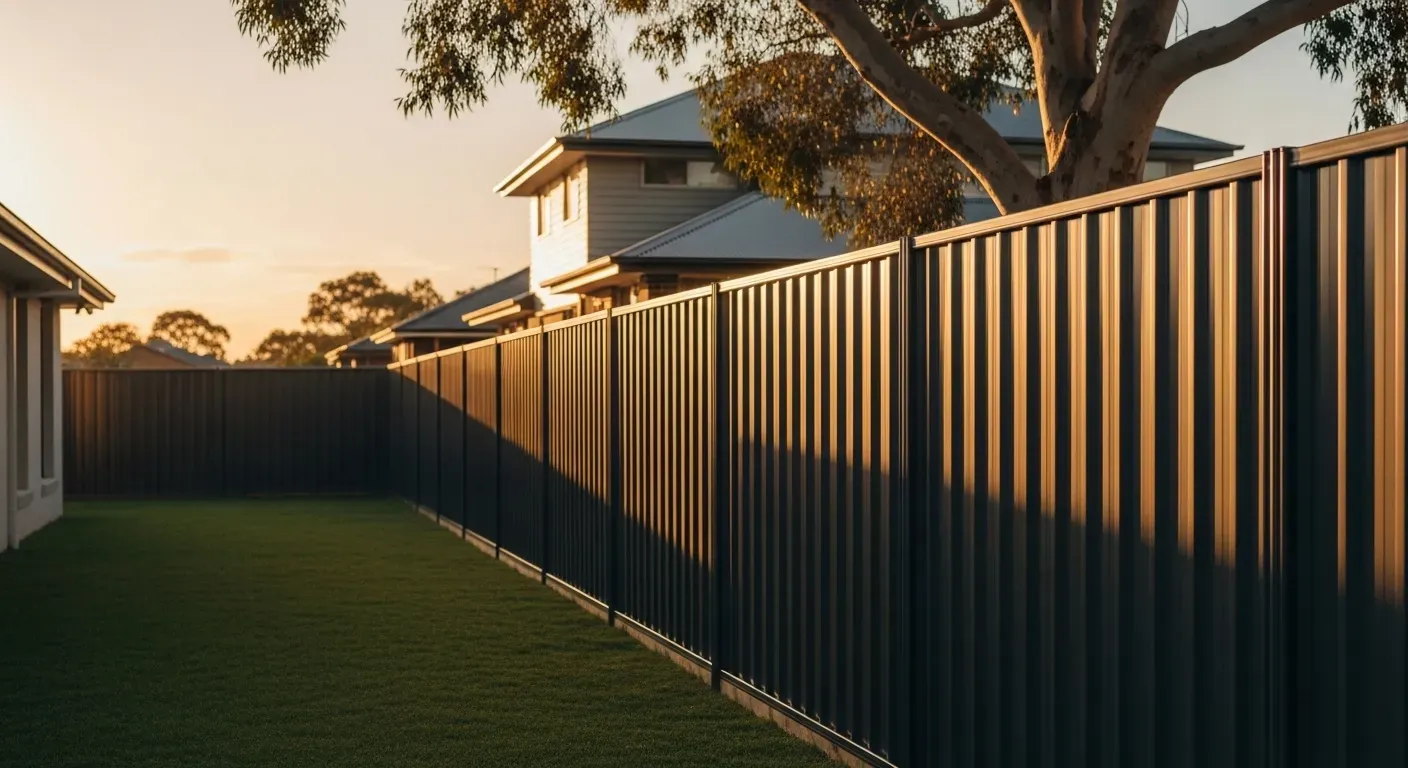
Plan scope, approvals, site constraints and comparable fencing proposals
Read guide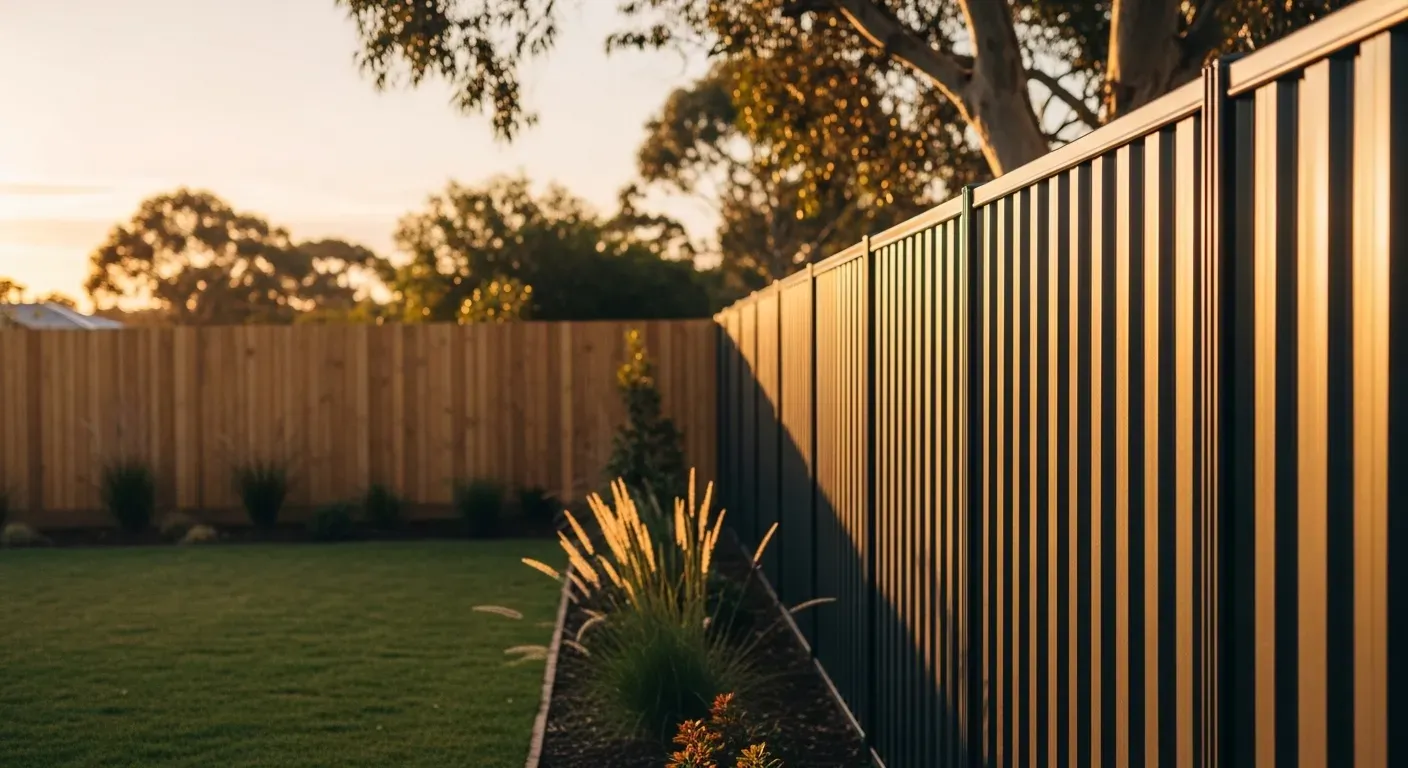
Compare materials, durability, maintenance and upkeep to choose a fence system
Read guide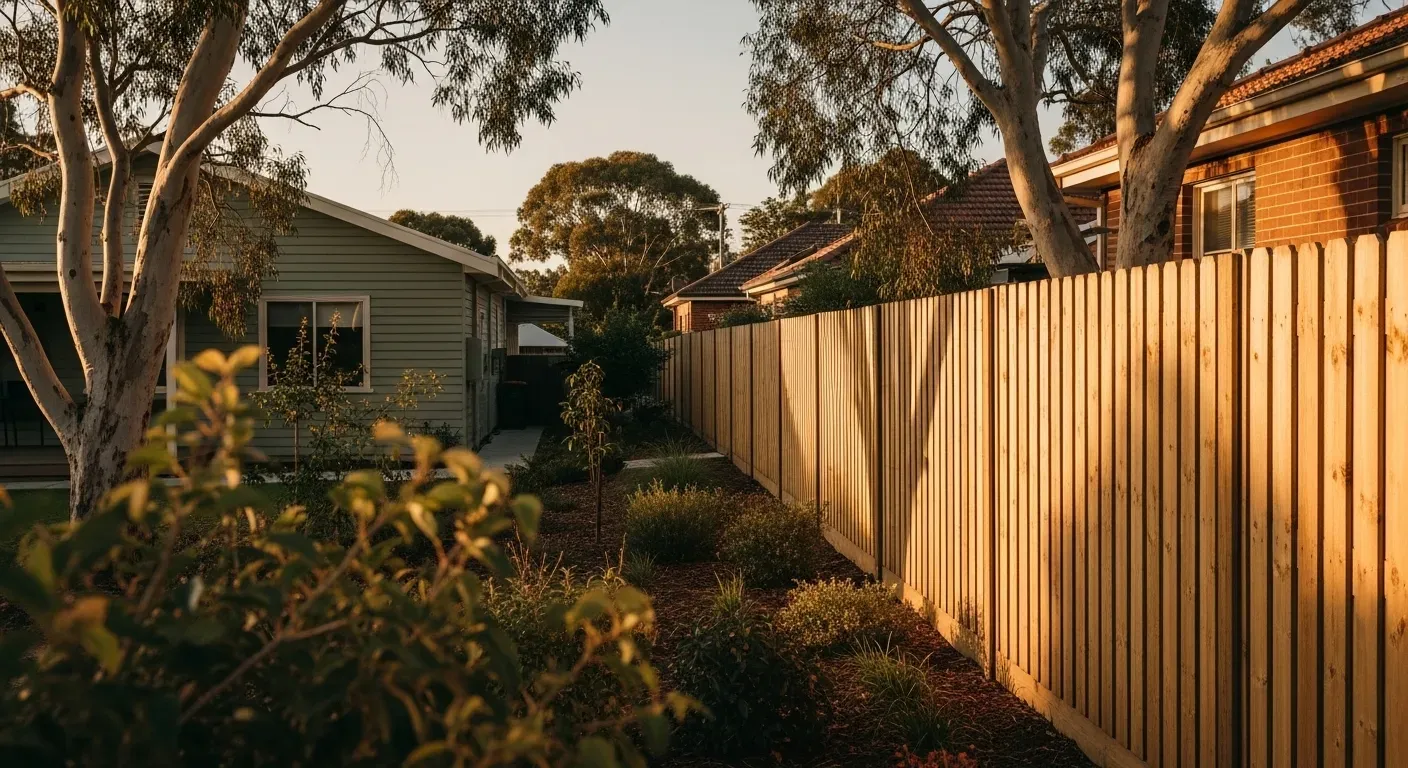
Understand dividing-fence processes and where the rules differ by state
Read guide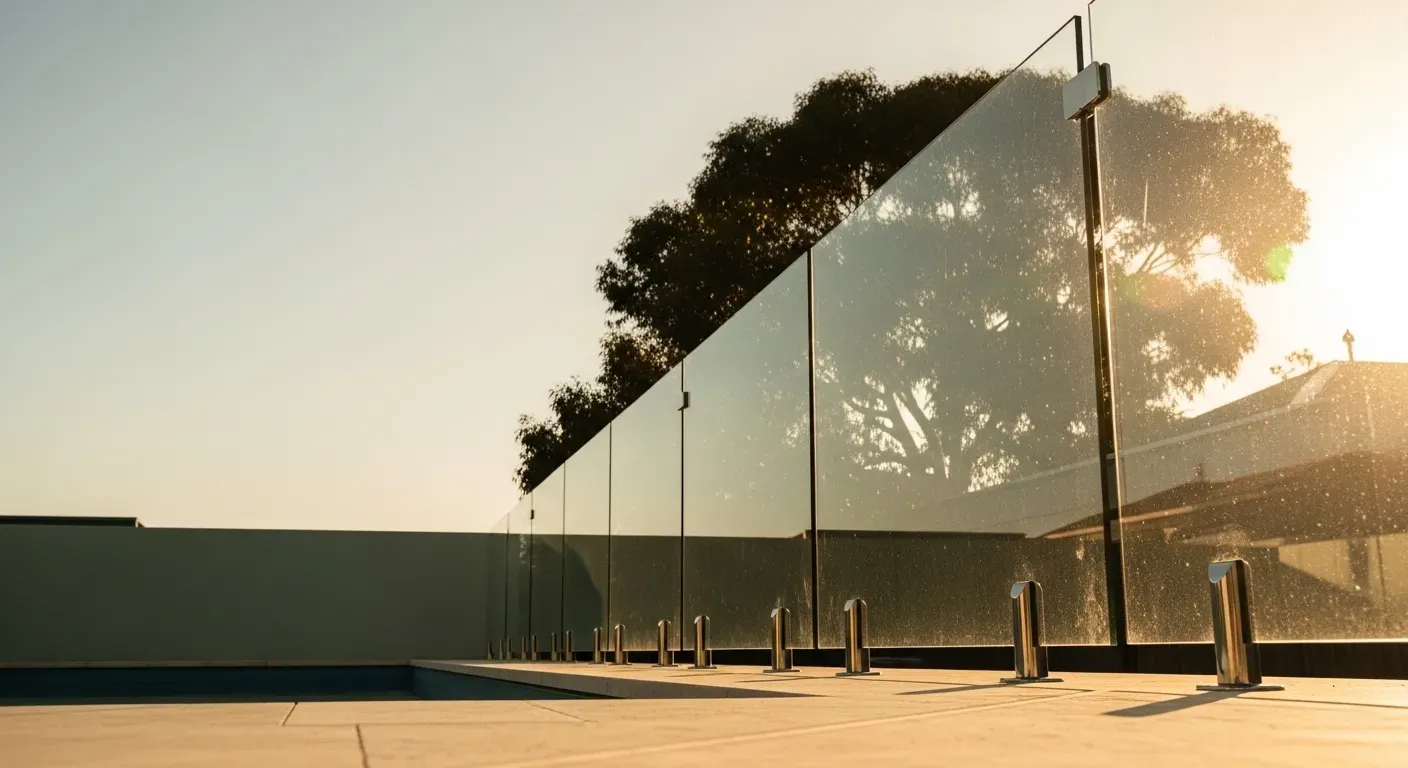
Understand pool barrier compliance scope and common inspection questions
Read guideCompare related quotes for pool fencing, pool installation, tree work and broader renovation projects.
Plan a pool barrier as its own safety and compliance scope.
Plan fencing together with a new pool project.
Clear overhanging trees or roots before replacing a fence.
Bundle fencing with broader outdoor or renovation work.
For fence installers and fencing contractors
Pay per lead with prepaid credit. Base price: $45 per lead. Choose your services, areas and lead limits, with no monthly fees or lock-in contract.
Planning a new fence?
Planning a new fence?
Get up to 3 free fencing quotes, subject to supplier availability