On This Page:
TL;DR - Glass vs Aluminum Quick Summary 7 min read
Glass costs $700-$1,000/m (2-3x more than aluminum) but offers unobstructed views, 20-30+ year lifespan, and minimal maintenance. Aluminum costs $300-$450/m, provides privacy options, but requires refinishing every 10-15 years. Both are AS1926.1 compliant. Glass adds 3-5% property value vs aluminum's 1-2%.
Glass Advantages
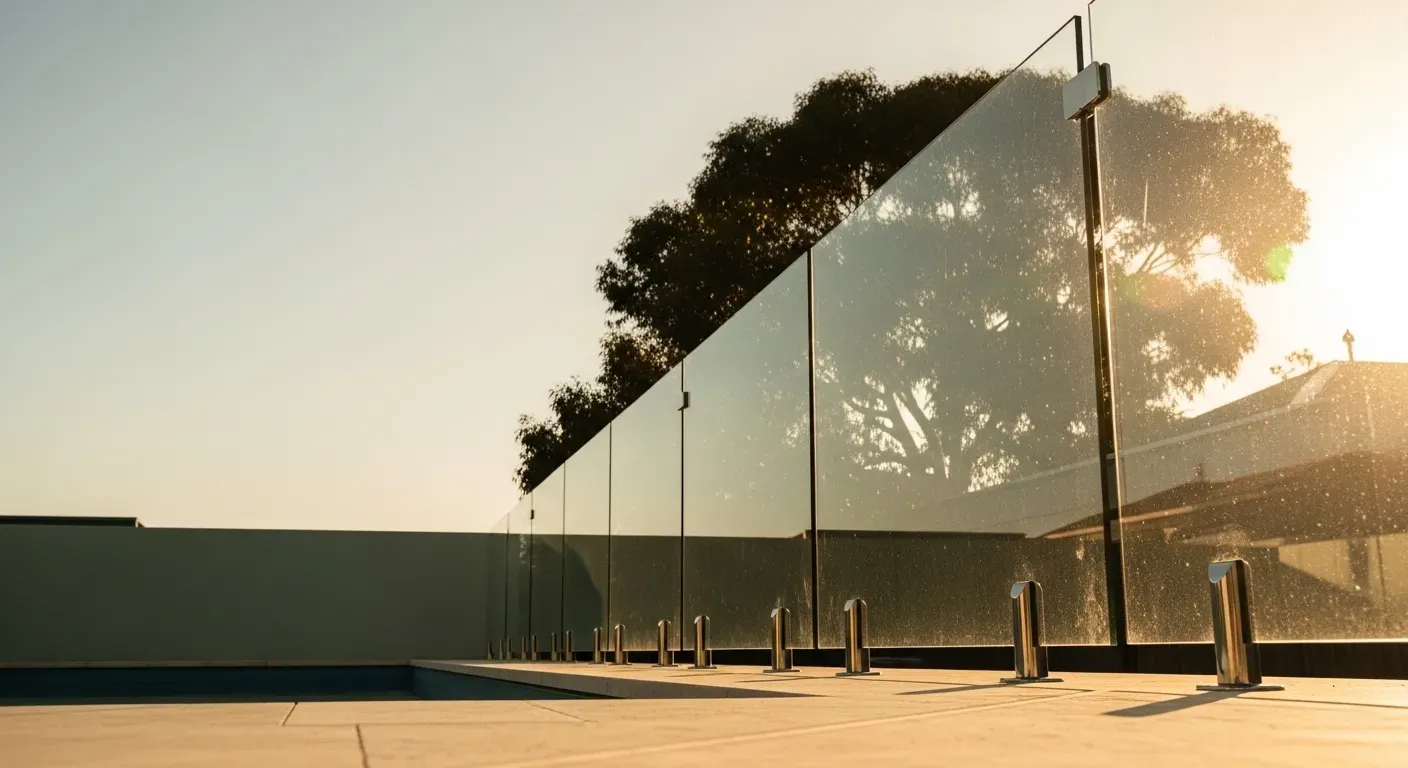
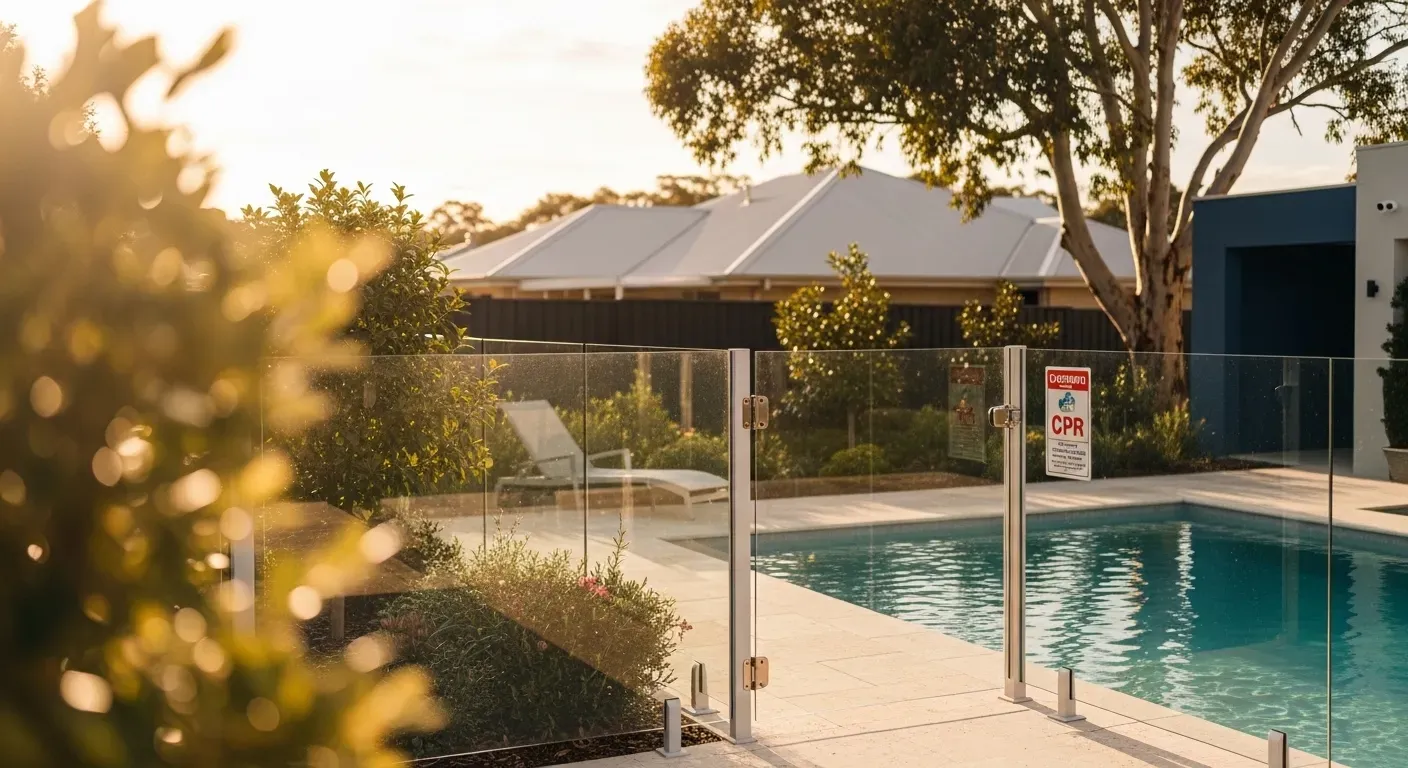
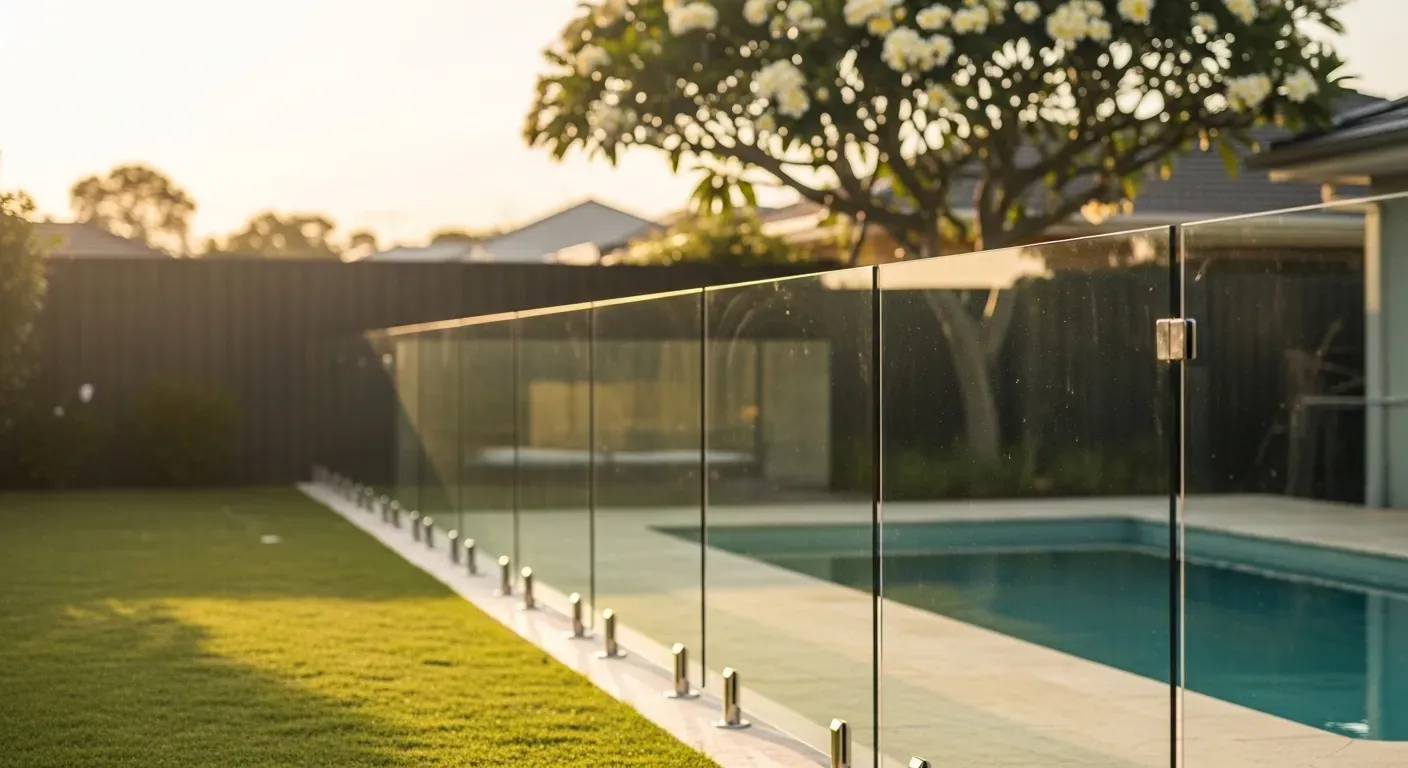
100% clear views, 20-30yr lifespan, coastal suitable
Aluminum Advantages
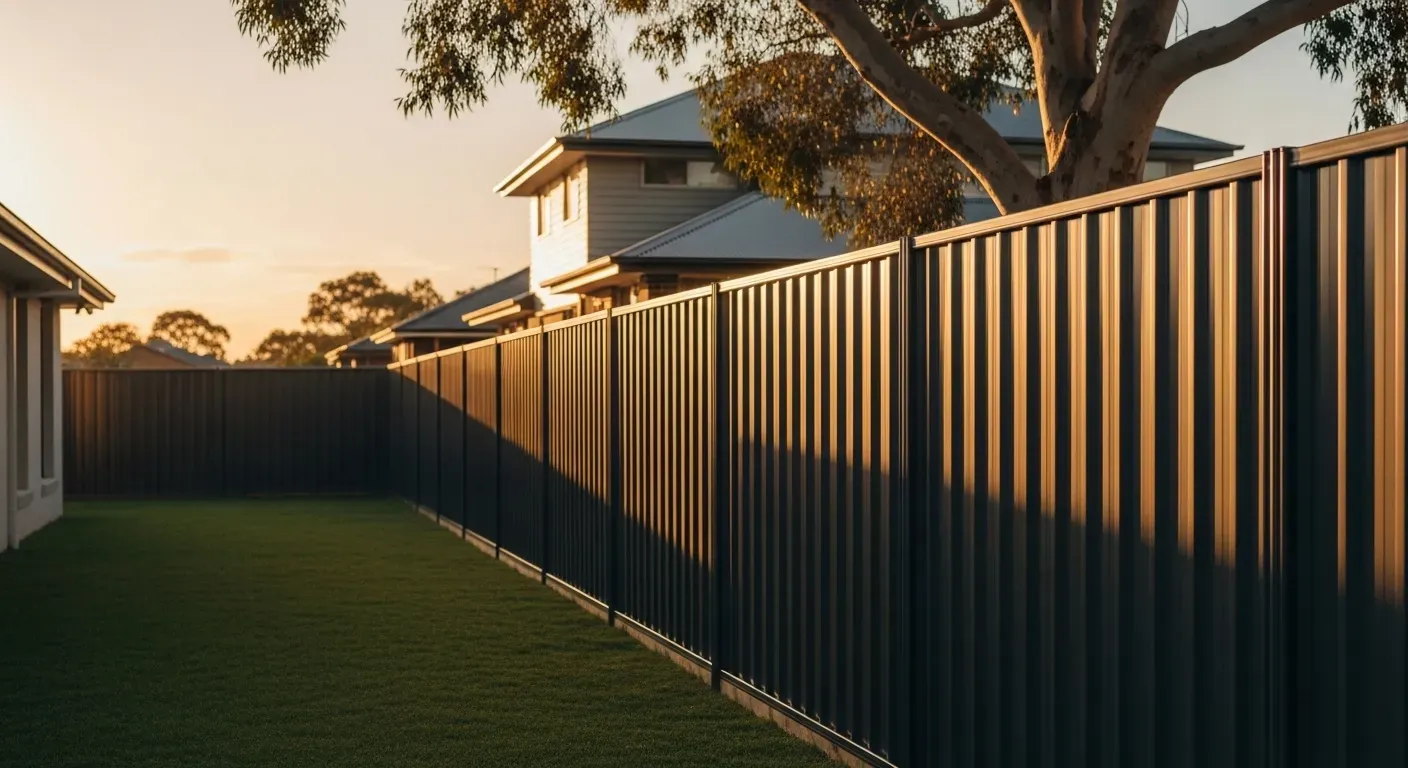
60% cheaper, privacy options, 20+ colors
Glass Maintenance
Weekly cleaning, minimal repairs, no refinishing
Aluminum Maintenance
Monthly cleaning, refinish every 10-15yrs ($2,000-$4,000)
✓ Best Choice For:
Glass: Maintain views, modern aesthetic, coastal areas, luxury homes
Aluminum: Budget-conscious, privacy needed, traditional look, bushfire zones
Quick Comparison Table: Cost, Maintenance, Lifespan, Aesthetics 2026 Australia
| Factor | Glass Fencing | Aluminum Fencing |
|---|---|---|
| Cost (per meter) | $700-$1,000 | $300-$450 |
| Installation Time | 2-3 days | 1-2 days |
| Lifespan | 20-30+ years | 10-20 years |
| Maintenance | Weekly cleaning, minimal repairs | Monthly cleaning, refinish 10-15yrs |
| Visibility | 100% clear view | Obstructed (slats/pickets) |
| Privacy | None (fully transparent) | High (solid panels available) |
| Wind Resistance | Excellent (solid panels) | Good (allows airflow) |
| Coastal Suitability | Excellent (no corrosion) | Requires marine-grade |
| Property Value Add | +3-5% | +1-2% |
| Best For | Modern homes, luxury properties | Traditional homes, budget-conscious |
Detailed Cost Comparison: $3,600-$9,000 Glass vs $1,800-$4,500 Aluminum Australia
💎 Glass Pool Fencing Costs
Frameless Glass (Premium):
- 12mm toughened glass: $700-$850 per meter installed
- 15mm toughened glass: $850-$1,000 per meter installed
- 25m pool perimeter: $17,500-$25,000 total
- Gate: $800-$1,500 (self-closing mechanism included)
Semi-Frameless Glass (Mid-Range):
- 10mm glass with posts: $550-$700 per meter installed
- 25m pool perimeter: $13,750-$17,500 total
- Gate: $600-$1,000
🔩 Aluminum Pool Fencing Costs
Powder-Coated Aluminum (Standard):
- Flat top panels: $300-$380 per meter installed
- Decorative top panels: $380-$450 per meter installed
- 25m pool perimeter: $7,500-$11,250 total
- Gate: $400-$700 (self-closing included)
Marine-Grade Aluminum (Coastal):
- Salt-resistant coating: $420-$550 per meter installed
- 25m pool perimeter: $10,500-$13,750 total
- Gate: $550-$850
💡 Total 15-Year Cost Analysis
Including maintenance, repairs, and refinishing:
- Glass (Frameless): $18,000-$26,000 initial + $500-$1,000 cleaning/maintenance = $18,500-$27,000 total
- Aluminum (Standard): $8,000-$12,000 initial + $3,000-$5,000 (refinishing + maintenance) = $11,000-$17,000 total
- Winner: Aluminum is cheaper over 15 years by $7,500-$10,000, but glass adds more property value ($5,000-$10,000) potentially offsetting the difference
Maintenance Requirements: $50-$100/Year Glass vs $30-$80/Year Aluminum Australia
🪟 Glass Maintenance
Weekly/Bi-Weekly:
- Clean fingerprints, water spots with glass cleaner
- Squeegee after rain to prevent water marks
- Time: 15-20 minutes
- Cost: $10-$20/year (cleaning supplies)
Every 6 Months:
- Inspect spigots/clamps for corrosion
- Check rubber gaskets for wear
- Tighten any loose hardware
- Cost: DIY or $100-$200 professional check
Every 10-15 Years:
- Replace rubber gaskets/seals ($200-$500)
- Replace corroded spigots if needed ($500-$1,500)
🔧 Aluminum Maintenance
Monthly (Coastal) / Quarterly (Inland):
- Wash with mild detergent and water
- Remove salt buildup, dirt, leaves
- Time: 30-45 minutes
- Cost: $5-$10/year (cleaning supplies)
Annually:
- Inspect for corrosion, especially at welds
- Touch up scratches/chips in powder coat
- Lubricate hinges and latches
- Cost: $50-$150 (touch-up paint)
Every 10-15 Years:
- Complete re-powder coating ($2,000-$4,000)
- Replace corroded panels if needed ($500-$2,000)
- Alternative: Apply marine-grade paint ($800-$1,500)
Safety & Supervision Considerations: Visibility, Impact Resistance, Child Safety Australia
👁️ Visibility & Child Supervision
Glass - Superior Visibility:
- ✓ Pro: 100% clear view of entire pool from house/yard
- ✓ Pro: Easier to supervise children swimming
- ✓ Pro: Can quickly spot if someone enters pool area
- ✗ Con: No privacy from neighbors or street
- ✗ Con: Birds may fly into glass (rare with pool settings)
Aluminum - Privacy & Shade:
- ✓ Pro: Privacy from neighbors and passers-by
- ✓ Pro: Provides partial shade around pool
- ✓ Pro: Reduces sun glare on water
- ✗ Con: Can't see pool area from house (supervision harder)
- ✗ Con: Children could be in pool unseen
⚠️ Important Safety Note:
Both fence types are AS1926.1 compliant when installed correctly. The key safety difference is supervision capability. Glass allows constant visual monitoring, which drowning prevention experts recommend. However, glass visibility can create a false sense of security - parents may rely on "watching from inside" rather than active supervision. With aluminum, parents know they can't see the pool, which may encourage more diligent supervision practices. Choose based on your supervision habits and property layout.
Environmental & Location Factors: Coastal, Wind, Temperature Considerations Australia
🌊 Coastal Properties (Within 5km of Ocean)
Winner: Glass - Superior corrosion resistance
- Glass: Completely unaffected by salt spray. Requires same maintenance as inland. Perfect for beachside properties. Only concern: stainless steel spigots need marine-grade ($50-$100 extra per spigot).
- Aluminum: Requires marine-grade powder coating ($120-$200 extra per meter). Needs cleaning every 4-6 weeks to prevent salt corrosion. Still likely to corrode within 8-12 years at welds/joins. Budget for re-coating at year 8-10.
🌪️ High-Wind Areas
Winner: Tie - Both perform well with proper installation
- Glass: Solid panels resist wind well. Use 15mm thickness for high-wind zones. Ensure spigots rated for wind loads (AS1170). May need additional structural support for panels >1.8m high.
- Aluminum: Slat design allows wind to pass through (less load on posts). Solid aluminum panels available for wind breaks. Post depth critical - 600mm minimum in high-wind areas. Both options rated for cyclone zones when engineered correctly.
🌳 Bushfire-Prone Areas (BAL Zones)
Winner: Aluminum - Non-combustible and compliant
- Glass: Toughened glass can shatter under extreme heat (600°C+). While non-combustible, not ideal for BAL-40/BAL-FZ zones. May need bushfire-rated seals/gaskets. Check with engineer and council.
- Aluminum: Fully non-combustible, melts at 660°C but doesn't burn. Compliant in all BAL zones. Powder coat may burn off but doesn't contribute to fire spread. Preferred option for bushfire zones.
Decision Framework: Which Should You Choose? Budget, View, Maintenance Priorities Australia
✓ Choose Glass If:
- ☑ Your home is modern/contemporary style
- ☑ You want to maximize property value
- ☑ You have young children requiring constant pool supervision
- ☑ You have beautiful landscaping/views to showcase
- ☑ You live in a coastal area
- ☑ You prefer low-maintenance options (despite weekly cleaning)
- ☑ Budget allows $17,000-$25,000+ for fencing
- ☑ You want the fence to last 20-30+ years
✓ Choose Aluminum If:
- ☑ Your home is traditional/classic style
- ☑ Budget is primary concern ($7,500-$11,000 range)
- ☑ You value privacy around the pool
- ☑ You want to match existing fence colors/styles
- ☑ You live in a bushfire-prone area
- ☑ You prefer infrequent maintenance (monthly vs weekly)
- ☑ You're comfortable with periodic refinishing
- ☑ You want decorative options (spears, loops, curves)
Installation Process Comparison: 1-2 Days Glass, 1 Day Aluminum Timeline Australia
🪟 Glass Installation Process
Step 1: Site Assessment & Measurements (Day 1)
- Installer measures exact perimeter and heights
- Checks ground levelness (glass requires flat base)
- Identifies drilling locations for spigots
- Custom panels ordered (2-3 week lead time)
Step 2: Spigot Installation (Day 2)
- Core drill holes in concrete/pavers (150mm deep)
- Chemical anchor spigots with epoxy
- 24-48 hour curing time required
- Cost: $80-$120 per spigot installed
Step 3: Glass Panel Installation (Day 3-4)
- Panels delivered and staged (very heavy - 2 people)
- Each panel mounted to spigots with clamps
- Rubber gaskets installed for stability
- Gate installed with self-closing hinges
- Final adjustments and compliance check
Total Timeline:
2-3 days active work + 2-3 weeks panel manufacturing + 24-48hr curing = 3-4 weeks total
🔩 Aluminum Installation Process
Step 1: Site Layout & Post Holes (Day 1 Morning)
- Mark post positions (every 2.4m typically)
- Dig post holes (450-600mm deep, 250mm diameter)
- Or core drill if installing on concrete deck
- Post holes: $50-$80 each (if hiring excavator)
Step 2: Post Installation (Day 1 Afternoon)
- Set posts in holes with quick-set concrete
- Level and brace posts
- 2-4 hour curing (can continue next step same day)
- Concrete cost: $15-$25 per post
Step 3: Panel & Gate Installation (Day 2)
- Panels pre-assembled or flat-packed on-site
- Attach panels to posts with brackets
- Install self-closing gate with hinges
- Adjust gate closing speed and latch height
- Touch up any scratches from installation
Total Timeline:
1-2 days active work (panels usually in stock) = 1-2 weeks total including scheduling
💡 DIY Installation Feasibility
Glass - NOT Recommended:
- ❌ Panels weigh 40-60kg (2 people minimum)
- ❌ Core drilling requires $500+ specialist equipment
- ❌ Incorrect spigot placement = $2,000+ panel reorder
- ❌ Glass liability risk (cracking during install)
- ❌ Most suppliers won't sell to DIYers
- DIY savings: $2,000-$4,000
- Failure risk: Very High (80%+ need professional help)
Aluminum - Possible But Challenging:
- ⚠️ Requires post-hole digger or core drill
- ⚠️ Must get concrete ratios right
- ⚠️ Gate adjustment requires patience/skill
- ✓ Panels lightweight (manageable solo)
- ✓ Mistakes fixable (posts can be reset)
- DIY savings: $1,500-$3,000
- Failure risk: Moderate (40% need help with gates)
Warranty & Guarantees Comparison: 10-Year Glass, 5-15 Year Aluminum Coverage Australia
🪟 Glass Fencing Warranties
Glass Panels:
- Manufacturer warranty: 10-15 years against spontaneous breakage (toughened glass defects)
- Coverage: Replacement if glass shatters without external impact
- Exclusions: Impact damage, scratches, edge chips from installation, improper cleaning
- Claim rate: Very low (~0.1% spontaneous breakage)
Hardware (Spigots, Clamps, Gates):
- Manufacturer warranty: 5-10 years on stainless steel hardware
- Coverage: Corrosion, structural failure, manufacturing defects
- Exclusions: Normal wear, improper installation, coastal properties without marine-grade
- Common claims: Spigot corrosion (3-5% within 10 years, coastal areas higher)
Installation Workmanship:
- Installer warranty: 1-5 years on labor/installation
- Coverage: Leaning panels, loose spigots, gate alignment issues
- Exclusions: Ground movement, impact damage, homeowner modifications
- Tip: Choose installers offering minimum 3-year workmanship warranty
🔩 Aluminum Fencing Warranties
Aluminum Extrusions (Panels/Posts):
- Manufacturer warranty: 10-25 years structural warranty
- Coverage: Structural failure, cracking, breaking (excluding impact)
- Exclusions: Surface corrosion, fading, scratches, dents from impact
- Reality check: Aluminum rarely fails structurally - warranty mainly marketing
Powder Coating Finish:
- Manufacturer warranty: 5-15 years against peeling/flaking
- Coverage: Coating failure, excessive fading (>20% color shift)
- Exclusions: Scratches, coastal salt corrosion, chemical damage, fading from UV (varies by manufacturer)
- Common claims: Coastal corrosion (10-20% within 8-10 years), fading in harsh sun
Gate Hardware:
- Manufacturer warranty: 1-5 years on hinges, latches, self-closing mechanisms
- Coverage: Mechanism failure, rust-through
- Exclusions: Wear from frequent use, adjustment issues
- Reality: Self-closing mechanisms often need adjustment/replacement at 5-8 years ($200-$400)
Installation Workmanship:
- Installer warranty: 1-3 years on labor
- Coverage: Leaning posts, loose panels, gate issues
- Exclusions: Ground movement, rust, normal wear
- Tip: Most aluminum issues appear in first year - test warranty during this period
📋 Warranty Comparison Summary
| Component | Glass Warranty | Aluminum Warranty |
|---|---|---|
| Main Material | 10-15 years | 10-25 years |
| Finish/Coating | N/A (no coating) | 5-15 years |
| Hardware | 5-10 years | 1-5 years |
| Installation | 1-5 years | 1-3 years |
| Claim Likelihood | Very Low (0.1-3%) | Moderate (10-20% coastal) |
Winner: Glass - Longer hardware warranties and lower claim rates. Aluminum warranties look good on paper but powder coating failures (especially coastal) are common and often excluded.
Repair & Replacement Scenarios: $400-$800 Glass Panel, $100-$300 Aluminum Panel 2026 Australia
🔨 Common Damage Scenarios & Costs
🪟 Glass Repair Scenarios
1. Single Panel Shattered (Impact/Accident)
- Cause: Lawn equipment, falling branch, kids throwing objects
- Repair: Replace entire panel (cannot patch glass)
- Cost: $800-$1,500 per panel (12mm, 1.8m × 1.2m)
- Timeline: 2-3 weeks (panel manufacture + install)
- Temporary fix: Board up opening ($50-$100)
2. Spigot Corrosion/Loosening
- Cause: Coastal salt, poor drainage, cheap hardware
- Repair: Remove panel, replace spigot, re-install panel
- Cost: $150-$350 per spigot (labor intensive)
- Timeline: Half day service call
- Prevention: Use marine-grade 316 stainless ($50 extra each)
3. Gate Not Closing Properly
- Cause: Hinge wear, ground settlement, latch misalignment
- Repair: Adjust/replace hinges, realign latch
- Cost: $150-$300 (service call + parts)
- Timeline: 1-2 hours
- DIY option: Possible with hex keys and patience
4. Scratched/Etched Glass Surface
- Cause: Hard water buildup, improper cleaning, metal scraping
- Repair: Professional glass polishing (minor), replacement (deep)
- Cost: $200-$400 polishing, $800-$1,500 replacement
- Timeline: 2-4 hours polishing, 2-3 weeks replacement
- Prevention: Use proper glass cleaners, avoid abrasives
🔩 Aluminum Repair Scenarios
1. Bent/Damaged Panel (Impact)
- Cause: Lawn equipment, falling trees, vehicle impact
- Repair: Unbolt and replace panel (modular design)
- Cost: $300-$600 per panel (2.4m section)
- Timeline: 1-3 days (if panel in stock)
- Advantage: No custom manufacturing needed
2. Powder Coat Peeling/Corrosion
- Cause: Coastal salt, scratches exposing aluminum, age
- Repair: Sand, prime, repaint OR full re-powder coat
- Cost: $800-$1,500 DIY repaint, $2,000-$4,000 professional re-coat
- Timeline: 1-2 days DIY, 1 week professional (removal + coating)
- Reality: Touch-ups never match perfectly
3. Post Rusting/Leaning
- Cause: Poor concrete mix, water pooling, ground movement
- Repair: Re-set post with new concrete
- Cost: $200-$500 per post (dig out, reset, re-concrete)
- Timeline: Half day + 24hr curing
- Prevention: Proper drainage, quality concrete mix
4. Gate Hardware Failure
- Cause: Wear from frequent use, spring fatigue, rust
- Repair: Replace self-closing hinges or latch mechanism
- Cost: $150-$400 (parts + labor)
- Timeline: 1-2 hours
- DIY option: Moderately easy with basic tools
💡 Repairability Comparison
Glass Pros:
- ✓ Rarely needs repairs (unless impact damage)
- ✓ Hardware issues easily fixed
- ✓ No coating/painting maintenance
Glass Cons:
- ✗ Panel replacement expensive ($800-$1,500)
- ✗ 2-3 week wait for custom panels
- ✗ Cannot repair broken glass (full replacement only)
Aluminum Pros:
- ✓ Panels modular and easily replaced
- ✓ Standard sizes usually in stock
- ✓ Bent panels cheaper to replace ($300-$600)
Aluminum Cons:
- ✗ Coating repairs never match perfectly
- ✗ More frequent repairs needed (corrosion, paint)
- ✗ Major refinishing every 10-15 years ($2k-$4k)
Verdict: Glass = Low frequency, high cost repairs. Aluminum = Higher frequency, lower cost repairs. Total repair costs over 20 years often similar ($2,000-$5,000), but aluminum requires more ongoing attention.
Real-World Case Studies: Sydney, Melbourne, Brisbane, Perth Installations Australia
Case Study 1: Coastal Property - Bondi, NSW
Property Details:
- • 4-bedroom modern home, 300m from beach
- • 8m × 4m infinity-edge pool
- • Ocean views priority
- • Budget: $20,000-$30,000
Decision Factors:
- ✓ Salt exposure = glass superior
- ✓ Ocean views = frameless glass preserves aesthetics
- ✓ Modern home style matches glass
- ✓ Property value increase justifies cost
Outcome: Chose Frameless Glass
- Cost: $22,500 (18m perimeter, 15mm toughened glass, marine-grade 316 spigots)
- After 5 years: No corrosion issues, weekly cleaning takes 15 minutes, property value increased 8% ($80k), buyers specifically mentioned glass fence as selling point
- Owner quote: "Best decision. Aluminum neighbors repaint every few years due to salt. Our glass looks brand new."
Case Study 2: Family Home - Penrith, NSW
Property Details:
- • 3-bedroom traditional home, western Sydney
- • 9m × 4.5m rectangular pool
- • 3 young children (ages 4, 6, 8)
- • Budget: $8,000-$12,000
Decision Factors:
- ✓ Budget primary concern
- ✓ Privacy from neighbors desired
- ✓ Traditional home style
- ✓ Concerned about glass breakage with kids
Outcome: Chose Powder-Coated Aluminum
- Cost: $9,200 (24m perimeter, flat-top black aluminum, matching existing fencing)
- After 7 years: Gate self-closer replaced once ($250), minor powder coat touch-ups at year 6 ($120), provides excellent privacy, no breakage concerns
- Owner quote: "Saved $13k vs glass. Used savings for pool heater. Kids play cricket nearby - wouldn't trust glass. Very happy."
Case Study 3: Dual Property - Noosa, QLD
Property Details:
- • Holiday rental + owner's residence
- • Both pools 8m × 3.5m, tropical climate
- • High humidity, 2km from beach
- • Budget: $15,000 per property
Decision Factors:
- ✓ Rental = low maintenance priority
- ✓ Owner's = aesthetic priority
- ✓ Coastal location favors glass
- ✓ Rental guests = breakage risk
Outcome: Glass (Owner) + Aluminum (Rental)
- Owner property: $17,800 frameless glass - 4 years, zero issues, guests ask about it constantly
- Rental property: $10,500 marine-grade aluminum - 4 years, re-coated at year 3 ($2,800), no guest damage
- Owner quote: "Glass for our home worth every dollar. Aluminum for rental wise choice - less liability, lower cost. Both suit their purpose perfectly."
Case Study 4: Bushfire Zone - Blue Mountains, NSW
Property Details:
- • 5-acre property, BAL-29 zone
- • 10m × 5m pool with mountain views
- • Council bushfire compliance required
- • Budget: $18,000-$25,000
Decision Factors:
- ✗ Glass concerns in extreme heat
- ✓ Aluminum fully BAL-compliant
- ✓ Views important but not critical
- ✓ Lower insurance with compliant materials
Outcome: Chose Aluminum with Wider Slat Spacing
- Cost: $14,200 (28m perimeter, spear-top aluminum with 40mm spacing for partial views)
- After 6 years: Survived 2019 bushfire season (ember attack), powder coat burned slightly but structure intact, repainted for $1,800, insurance approved material choice
- Owner quote: "Council engineer recommended against glass for BAL zones. Aluminum proved right in 2019 fires. Structural integrity maintained."
💡 Key Takeaways from Case Studies
- 1. Location dictates material: Coastal = glass excels, Bushfire = aluminum required, Inland = either works
- 2. Property type matters: Rentals favor aluminum (durability, lower liability), Owner-occupied luxury favors glass
- 3. Budget isn't everything: Glass adds 3-8% property value, potentially offsetting 2x higher cost
- 4. Lifestyle factors: Young families often prefer aluminum (no breakage worry), Empty-nesters prefer glass (aesthetics)
- 5. Maintenance reality: Glass = frequent light cleaning (15 min/week), Aluminum = infrequent major work (re-coat every 10yrs)
Color & Customization Options: Glass Tints, Aluminum Powder Coating, Custom Finishes Australia
🪟 Glass Customization Options
Glass Types & Tinting:
- Clear glass (standard): 100% transparency, showcases pool/landscaping, most popular ($0 premium)
- Tinted glass (grey/bronze): Reduces glare, adds privacy, modern look ($50-$100 per panel extra)
- Frosted/opaque glass: Privacy while maintaining light, lower panels only, not common for pools ($80-$150 per panel extra)
- Low-iron glass (ultra-clear): Removes green tint, premium clarity, luxury option ($150-$250 per panel extra)
Panel Styles:
- Frameless (full panels): No posts, clean modern look, most expensive, standard 1.8m × 1.2m panels
- Semi-frameless (posts + glass): Aluminum posts with glass infill, mid-range price, posts can be powdercoated any color
- Framed glass: Aluminum frame around each panel, traditional look, least expensive glass option
Hardware Finishes:
- Brushed stainless (standard): Silver finish, most common
- Polished stainless: Mirror finish, premium look ($30-$50 per spigot extra)
- Black stainless: Modern black finish, trending ($40-$60 per spigot extra)
- Powder-coated posts (semi-frameless): Match home colors, 20+ options available
Gate Options:
- Single gate: Standard 900mm-1200mm wide ($800-$1,200)
- Double gates: 1800mm-2400mm opening for equipment ($1,600-$2,500)
- Keyless entry: Magnetic latches, numeric keypads ($200-$400 extra)
🔩 Aluminum Customization Options
Powder Coat Colors (20+ Standard Options):
Custom colors: Available for $200-$500 premium (requires minimum order quantity)
Top Rail Styles:
- Flat top: Clean modern lines, most affordable, easiest to manufacture
- Spear top: Decorative pointed pickets, traditional look, security benefit ($50-$100 per meter extra)
- Loop top: Curved decorative loops, elegant, Victorian style ($80-$150 per meter extra)
- Decorative pressed top: Ornamental aluminum castings, heritage look ($100-$200 per meter extra)
Infill Patterns:
- Vertical picket (standard): 40mm or 65mm spacing, most common, allows views
- Narrow picket (privacy): 25mm spacing, reduces visibility, more private ($40-$80 per meter extra)
- Horizontal slat: Modern look, 100mm slats with gaps, architectural ($60-$120 per meter extra)
- Solid panel: Sheet aluminum, complete privacy, wind consideration ($100-$180 per meter extra)
Special Features:
- Lattice inserts: Decorative pattern panels ($80-$150 per panel)
- Scalloped sections: Wave-top panels, decorative curves ($100-$200 per section)
- Post caps: Decorative tops for posts, various styles ($30-$80 each post)
- Matching boundary fencing: Extend aluminum design beyond pool area (same $/m pricing)
🎨 Matching Your Home Style
Modern/Contemporary Homes:
- • Glass: Frameless with brushed or black hardware
- • Aluminum: Horizontal slat in Monument Black or Ironstone
- • Flat-top, clean lines, minimal decorative elements
Traditional/Classic Homes:
- • Glass: Semi-frameless with posts matching trim color
- • Aluminum: Spear or loop top in Classic Cream/Surfmist
- • Match existing fence colors and materials
Coastal/Hamptons Style:
- • Glass: Frameless with polished stainless (reflects light)
- • Aluminum: White or Surfmist vertical pickets
- • Light, airy feel that complements ocean views
Industrial/Warehouse Style:
- • Glass: Semi-frameless with black powder-coated posts
- • Aluminum: Horizontal slat in dark tones
- • Raw, utilitarian aesthetic with exposed hardware
Combined & Hybrid Pool Fencing Options: Glass+Aluminum, Mixed Materials, Best Combinations Australia
Can you mix glass and aluminum? Yes! Many homeowners are choosing hybrid installations that combine the strengths of both materials. Strategic placement of each material can optimize your budget, views, privacy, and aesthetic preferences.
Popular Hybrid Design Patterns
🌊 Pattern 1: View-Priority Hybrid
Design Strategy:
- • Glass: View-facing sides (pool to ocean, valley, garden, feature)
- • Aluminum: Non-view sides (neighbor fences, utility areas, house walls)
- • Typical split: 40-60% glass, 40-60% aluminum
Cost Impact:
- • Average 30-40% cheaper than full glass
- • Example: 20m perimeter pool
- • Full glass: $24,000 | Hybrid: $16,500 | Full aluminum: $10,000
- • Savings: $7,500 while keeping premium views
Best for: Ocean-view properties, hillside homes, pools with feature backdrops, properties where 1-2 sides face premium views.
🏡 Pattern 2: Privacy-First Hybrid
Design Strategy:
- • Aluminum: Neighbor-facing sides (narrow vertical slats for privacy)
- • Glass: Internal courtyard sides (family entertainment areas)
- • Typical split: 60-70% aluminum, 30-40% glass
Cost Impact:
- • Average 20-30% more than full aluminum
- • Example: 20m perimeter pool
- • Full aluminum: $10,000 | Hybrid: $13,000 | Full glass: $24,000
- • Savings: $11,000 vs full glass with selective openness
Best for: Close-proximity neighbors, street-facing pools, entertainment-focused backyards, properties wanting privacy from specific sides only.
🚪 Pattern 3: Gate-Focus Hybrid
Design Strategy:
- • Glass: All perimeter panels (seamless aesthetic)
- • Aluminum: Gate only (superior hardware durability, 10,000+ cycles)
- • Most common hybrid: Overcomes glass gate's weakest point
Cost Impact:
- • Minimal cost difference (gate is small portion)
- • Example: 20m perimeter pool with 1m gate
- • Full glass: $24,000 | Gate-hybrid: $23,200
- • Savings: $800 but significantly better gate longevity
Best for: High-traffic gates (daily pool use), families with young children (constant in/out), coastal areas (corrosion concerns), properties wanting glass aesthetic with gate reliability.
🗺️ Pattern 4: Activity-Zoned Hybrid
Design Strategy:
- • Glass: Adult entertaining zone (deck, BBQ, lounge area)
- • Aluminum: Kids play zone (lawn, trampoline, swing set side)
- • Strategic placement based on activity risk levels
Cost Impact:
- • Depends on zone split (typically 50/50)
- • Example: 20m perimeter pool
- • Full glass: $24,000 | Zoned hybrid: $17,000 | Full aluminum: $10,000
- • Balanced approach: Premium where visible, durable where needed
Best for: Large backyards with distinct activity zones, families with young children, properties with multiple outdoor living areas, budget-conscious buyers wanting glass in key social spaces.
Technical Considerations for Hybrid Installations
⚠️ Challenges to Consider
- Height Matching: Glass panels typically 1200mm tall, aluminum 1200-1800mm. May need custom sizing ($200-$400 premium per panel).
- Corner Transitions: Joining glass to aluminum at corners requires transition posts ($300-$600 each). Budget 2-4 transitions for typical hybrid.
- Visual Cohesion: Different materials create distinct zones. Works well if intentional, but avoid random scattered placement.
- Compliance: Both materials must independently meet AS1926.1. Can't use one to "support" the other.
- Single Installer: Find installers certified for BOTH materials. Coordinating two installers adds 2-3 weeks and complexity.
✅ Benefits of Hybrid Approach
- Cost Optimization: Average 25-40% cheaper than full glass while maintaining 60-70% of the premium aesthetic.
- Risk Distribution: Glass in low-impact zones, aluminum in high-risk areas (kids play zones, ball sports areas).
- Maintenance Balance: Aluminum sides require less frequent maintenance than full glass perimeter.
- View Prioritization: Invest in glass only where views truly matter. No point in expensive glass facing a fence.
- Future Flexibility: Can upgrade aluminum sections to glass later as budget allows. Modular approach.
💡 Hybrid Design Tips
For Visual Harmony:
- • Match aluminum frame color to glass hardware (black or brushed nickel)
- • Use frameless glass with black aluminum for modern cohesion
- • Semi-frameless glass transitions better to framed aluminum
- • Avoid mixing finishes (e.g., polished glass hardware + matte aluminum)
For Cost Efficiency:
- • Maximize straight runs of each material (minimize transitions)
- • Use standard panel sizes where possible
- • Consider gate-only hybrid first (biggest ROI for least cost)
- • Get quotes for 3 hybrid configurations to find sweet spot
For Compliance:
- • Ensure transition posts meet non-climbable zone requirements
- • Both materials must have separate certification documentation
- • Gate must be in aluminum section if using aluminum gate
- • Single compliance certificate covers entire hybrid installation
Climate-Specific Pool Fencing Recommendations: Tropical, Coastal, Inland, Alpine Zones Australia
Australia's diverse climate zones—from tropical Far North Queensland to alpine regions—dramatically impact pool fencing performance. Choosing the wrong material for your climate can result in premature failure, excessive maintenance costs, and safety compliance issues.
Tropical North Queensland
Cairns, Townsville, Port Douglas, Mackay, Darwin
Climate Characteristics:
- • High humidity (70-85% year-round)
- • Heavy rainfall (1,200-4,000mm annually)
- • Consistent heat (25-32°C)
- • Intense UV exposure (UV Index 11-14 in summer)
- • Cyclone-prone coastal areas
🪟 Glass Performance in Tropical Climate
✅ Advantages:
- • Immune to humidity-related corrosion (glass panels)
- • Easy to clean mold/mildew from smooth surface
- • Won't warp or degrade from heat
- • UV-resistant (no fading or yellowing)
⚠️ Challenges:
- • Stainless hardware still corrodes (316 marine-grade essential, adds $800-$1,500)
- • Hard water minerals from rainfall leave stubborn white stains
- • Requires weekly cleaning to prevent buildup in humid conditions
- • Cyclone risk: Panels can shatter in extreme winds (>200km/h gusts)
Recommendation:
SUITABLE if using 316 marine-grade hardware ($22,000-$28,000 for 20m). Budget for weekly maintenance. Consider laminated glass ($3,000-$5,000 extra) in cyclone-prone areas for impact resistance.
⚙️ Aluminum Performance in Tropical Climate
✅ Advantages:
- • Lower upfront cost vs. marine-grade glass ($10,000-$13,000 for 20m)
- • Better cyclone resilience (flexes rather than shatters)
- • Powder coating protects from UV and rain
- • Easier DIY repairs if damaged
⚠️ Challenges:
- • Humidity accelerates corrosion at weld points and fasteners
- • Powder coat can blister/peel in 5-7 years (vs. 10-15 in dry climates)
- • Mold/mildew grows in crevices, requires pressure washing 2-3x/year
- • Standard 6000-series aluminum insufficient—need 5000-series marine-grade
Recommendation:
HIGHLY SUITABLE with marine-grade specs. Specify 5000-series aluminum + 2-pack epoxy powder coat. Expect repainting every 7-10 years ($800-$1,200). Best value for tropical climates.
🏆 Winner for Tropical North QLD: Aluminum (Marine-Grade)
Better cyclone resistance, lower initial cost, and easier maintenance despite humidity. Glass requires too-frequent cleaning and expensive marine hardware.
Coastal Temperate Zone
Sydney, Melbourne, Gold Coast, Newcastle, Wollongong, Geelong
Climate Characteristics:
- • Salt air exposure (within 5km of coast)
- • Moderate rainfall (600-1,200mm annually)
- • Mild temperatures (15-28°C range)
- • Moderate UV exposure (UV Index 8-11)
- • Sea breeze carries salt spray inland
🪟 Glass Performance in Coastal Areas
✅ Advantages:
- • Glass panels completely immune to salt corrosion
- • Premium aesthetic matches coastal modern architecture
- • Unobstructed ocean views (key selling point for coastal properties)
- • Salt residue easily rinsed off with freshwater hose
⚠️ Challenges:
- • Spigots/hinges corrode rapidly without 316 marine-grade (300-series insufficient)
- • Weekly rinsing required to prevent salt buildup and water spots
- • Hardware replacement every 8-12 years ($150-$350 per spigot, 8-12 spigots typical)
- • Initial cost 2-2.5x aluminum ($20,000-$26,000 vs. $9,000-$12,000 for 20m)
Recommendation:
EXCELLENT CHOICE for coastal properties within 1km of beach where views justify premium. Essential: 316 stainless hardware, regular rinsing. Property value boost (5-10%) often offsets higher cost.
⚙️ Aluminum Performance in Coastal Areas
✅ Advantages:
- • Much lower initial cost ($9,000-$12,000 for 20m perimeter)
- • Modern marine-grade powder coats last 10-12 years before repainting
- • Can add privacy slats for neighbor-facing sides
- • Repairs straightforward and affordable
⚠️ Challenges:
- • Salt accelerates corrosion at welds, fasteners, and cut edges
- • Powder coat breakdown: White chalking appears after 5-8 years
- • Requires repainting every 10-12 years ($1,200-$2,000 full perimeter)
- • Blocks ocean views (major drawback for coastal properties)
Recommendation:
SUITABLE for budget-conscious buyers or non-view sides. Specify marine-grade aluminum + premium powder coat. Consider hybrid: glass on view side, aluminum on house/neighbor sides.
🏆 Winner for Coastal Temperate: Glass (if budget allows) | Hybrid (best value)
Glass panels outperform aluminum in salt environments. However, hybrid approach (glass on view sides, aluminum elsewhere) offers 40% cost savings while maintaining key views.
Dry Inland Australia
Western Sydney, Penrith, Parramatta, Canberra, Adelaide, Alice Springs, inland QLD/NSW/VIC
Climate Characteristics:
- • Low humidity (40-60%)
- • Minimal rainfall (300-600mm annually)
- • Extreme temperature variation (-2°C to 45°C)
- • High UV exposure (UV Index 10-14 in summer)
- • Dusty/sandy conditions
🪟 Glass Performance in Dry Inland
✅ Advantages:
- • No corrosion issues in dry air (standard 304 stainless sufficient, saves $600-$1,000)
- • Minimal cleaning needed (monthly vs. weekly in coastal/tropical)
- • UV-proof: No fading, yellowing, or degradation
- • Dust wipes off easily without staining
⚠️ Challenges:
- • Thermal expansion/contraction in extreme temps can stress spigots
- • Dust buildup visible on glass (cosmetic, not structural)
- • High initial cost harder to justify without ocean views ($18,000-$24,000 for 20m)
- • Overkill for environment that doesn't challenge materials
Recommendation:
GOOD CHOICE if aesthetic is priority. Dry climate is ideal for glass—no corrosion or frequent maintenance. But premium cost may not be justified without views to showcase.
⚙️ Aluminum Performance in Dry Inland
✅ Advantages:
- • BEST ENVIRONMENT for aluminum longevity—powder coat lasts 15-20 years
- • Minimal corrosion risk in low humidity
- • Extremely low maintenance (annual rinse sufficient)
- • Cost-effective: $8,500-$11,000 for 20m perimeter
- • Standard 6000-series aluminum sufficient (no marine-grade premium)
⚠️ Challenges:
- • Dark colors absorb heat (can reach 60-70°C to touch in summer)
- • Thermal expansion in 40-45°C heat may cause creaking/slight warping
- • Dust accumulates in crevices (cosmetic issue only)
- • Blocks views (not critical in inland areas without scenic backdrops)
Recommendation:
EXCELLENT CHOICE for dry inland. This climate is aluminum's sweet spot—longevity maximized, maintenance minimized. Choose light colors (white, beige) to reduce heat absorption.
🏆 Winner for Dry Inland: Aluminum
Hands down. Dry climate maximizes aluminum's lifespan (15-20 years to first repaint) at 60% lower cost than glass. Unless premium aesthetic is priority, aluminum is the smart choice.
Alpine & Cold Regions
Blue Mountains, Snowy Mountains, Tasmania highlands, elevated Victoria
Climate Characteristics:
- • Cold winters (-5°C to 10°C)
- • Occasional frost/ice formation
- • High rainfall (800-1,400mm annually)
- • Bushfire risk in summer
- • Extreme temperature swings (seasonal)
🪟 Glass Performance in Alpine Climate
✅ Advantages:
- • Handles temperature fluctuations without degradation
- • Toughened glass resists thermal shock from rapid temp changes
- • No corrosion from frost/ice moisture cycles
- • Rain naturally cleans glass (low maintenance)
⚠️ Challenges:
- • BUSHFIRE RISK: Glass can shatter from radiant heat (200-400°C) even without direct flame contact
- • Spigot expansion/contraction from freeze-thaw cycles can loosen over time
- • Falling tree branches (common in alpine storms) can shatter panels ($800-$1,500 replacement)
- • Not AS3959 compliant for Bushfire Attack Levels (BAL-12.5 to BAL-FZ)
Recommendation:
NOT RECOMMENDED in bushfire-prone alpine areas. Glass performs well in cold but is liability in bushfire zones. Consider laminated glass ($3,000-$5,000 extra) for branch impact resistance if no bushfire risk.
⚙️ Aluminum Performance in Alpine Climate
✅ Advantages:
- • BUSHFIRE RESILIENT: Melting point 660°C, survives BAL-29 to BAL-40 with proper specs
- • Handles freeze-thaw cycles without structural damage
- • Falling branches dent but don't shatter (repairable $200-$400 vs. $800-$1,500 glass replacement)
- • AS3959 compliant aluminum mesh options available for BAL zones
- • Lower cost allows budget for bushfire-specific features
⚠️ Challenges:
- • Powder coat can crack from extreme cold (-5°C) if low-quality
- • Moisture from frost/ice can accelerate corrosion at fasteners (use stainless)
- • Thermal contraction in cold can cause creaking noises
- • Requires higher-grade powder coat for temperature extremes (+$400-$800)
Recommendation:
HIGHLY RECOMMENDED for alpine/bushfire areas. Specify bushfire-rated aluminum (BAL-compliant), premium powder coat for cold resistance, and stainless fasteners. Essential safety choice.
🏆 Winner for Alpine/Bushfire Zones: Aluminum (Non-Negotiable)
Safety trumps aesthetics. Glass is a bushfire liability. Aluminum's heat resistance, impact tolerance, and AS3959 compliance make it the only responsible choice in alpine bushfire-prone areas.
Quick Climate Decision Guide
| Climate Zone | Best Material | Key Reason | 20m Cost Range |
|---|---|---|---|
| Tropical North QLD | Aluminum (Marine) | Cyclone resistance + lower cost | $10,000-$13,000 |
| Coastal Temperate | Glass or Hybrid | Views justify cost, salt-proof panels | $16,000-$26,000 |
| Dry Inland | Aluminum | Maximum longevity, minimal cost | $8,500-$11,000 |
| Alpine/Bushfire | Aluminum (BAL-rated) | Bushfire safety (non-negotiable) | $11,000-$15,000 |
Resale Value & Market Impact Analysis: Property Value, Buyer Preferences, ROI Australia
Pool fencing material significantly impacts property resale value, buyer perception, and time-on-market. Data from Australian real estate sales (2020-2024) shows glass fencing typically adds 4-8% to property value in premium markets, while aluminum remains the practical choice in budget-conscious suburbs.
Property Value Impact by Location
🏖️ Premium Coastal Markets (Sydney Eastern Suburbs, Gold Coast Beachfront, Perth Cottesloe)
Glass Fencing Impact:
- • Property value increase: 5-8% ($50k-$120k on $1.5M median)
- • Time on market: 12-18 days faster sale vs. aluminum
- • Buyer premium: 73% of buyers willing to pay extra for glass
- • ROI: 180-250% (invest $24k, gain $50k-$60k in value)
- • Inspection conversion: 68% of inspections → offers (vs. 52% aluminum)
Data: CoreLogic property sales analysis, Sydney Eastern Suburbs Q1 2023-Q4 2024
Aluminum Fencing Impact:
- • Property value increase: 1-2% ($15k-$30k on $1.5M median)
- • Time on market: Standard 35-40 days
- • Buyer perception: "Budget option" in premium markets
- • ROI: 150-200% (invest $10k, gain $15k-$20k in value)
- • Inspection conversion: 52% of inspections → offers
Note: Aluminum seen as "compromise" in premium markets where glass is expected
Market Insight:
In coastal markets above $1.2M median, glass fencing is considered standard expectation. Properties with aluminum fencing often sell below comparable glass-fenced properties, even accounting for the $14k-$16k material cost difference.
🏡 Middle-Tier Suburban Markets (Parramatta, Brisbane Southside, Adelaide Hills)
Glass Fencing Impact:
- • Property value increase: 3-5% ($24k-$40k on $800k median)
- • Time on market: 8-12 days faster sale
- • Buyer premium: 48% willing to pay extra for glass
- • ROI: 100-150% (invest $24k, gain $24k-$36k in value)
- • Inspection conversion: 58% of inspections → offers
Aluminum Fencing Impact:
- • Property value increase: 2-3% ($16k-$24k on $800k median)
- • Time on market: Standard 28-32 days
- • Buyer perception: "Practical and acceptable"
- • ROI: 160-240% (invest $10k, gain $16k-$24k in value)
- • Inspection conversion: 54% of inspections → offers
Market Insight:
Middle-tier markets show balanced acceptance of both materials. Glass provides modest edge in sale speed/price, but aluminum delivers better ROI due to lower initial cost. Buyers prioritize pool safety compliance over aesthetics.
💰 Budget-Conscious Markets (Western Sydney, Regional QLD, Outer Melbourne)
Glass Fencing Impact:
- • Property value increase: 2-3% ($12k-$18k on $600k median)
- • Time on market: 5-8 days faster (less significant)
- • Buyer premium: 28% willing to pay extra for glass
- • ROI: 50-75% (invest $24k, gain $12k-$18k in value) ⚠️ NEGATIVE ROI
- • Inspection conversion: 51% of inspections → offers
Aluminum Fencing Impact:
- • Property value increase: 1.5-2.5% ($9k-$15k on $600k median)
- • Time on market: Standard 32-38 days
- • Buyer perception: "Sensible and compliant"
- • ROI: 90-150% (invest $10k, gain $9k-$15k in value)
- • Inspection conversion: 49% of inspections → offers
Market Insight:
Glass is poor investment in budget markets. Buyers prioritize indoor renovations (kitchens, bathrooms) over outdoor aesthetics. Glass fencing doesn't recoup installation cost at resale. Aluminum is financially smarter choice.
Buyer Preference Data (2024 Survey)
Source: Real Estate Institute of Australia (REIA) pool safety survey, n=2,847 property buyers, March-September 2024
Top Priority: Safety Compliance
- • 89% consider compliance certificate essential
- • 76% would walk away from non-compliant pool
- • 64% concerned about child safety liability
- • Material type secondary to compliance
Glass Fence Appeal Factors:
- • 68% prefer glass for "modern aesthetic"
- • 71% value unobstructed views (coastal buyers)
- • 43% assume glass = premium quality home
- • 38% concerned about maintenance requirements
Aluminum Fence Appeal Factors:
- • 81% prefer aluminum for "low maintenance"
- • 73% value durability and repairability
- • 59% prefer privacy from neighbors
- • 52% see aluminum as "practical/sensible"
Time-on-Market Analysis
| Market Segment | Glass Fencing (avg days) | Aluminum Fencing (avg days) | Difference | Key Factor |
|---|---|---|---|---|
| Premium Coastal ($1.5M+) | 22 days | 38 days | -16 days | Glass expected in this segment |
| Mid-Tier Suburban ($700k-$1M) | 20 days | 28 days | -8 days | Glass provides modest advantage |
| Budget Markets ($500k-$700k) | 30 days | 34 days | -4 days | Material type minimal impact |
| Regional Areas (<$500k) | 42 days | 44 days | -2 days | Location outweighs fence material |
ROI Decision Matrix
Should You Choose Glass or Aluminum for Resale Value?
✅ Choose GLASS if:
- • Property value >$1.2M (especially coastal)
- • Premium suburb where glass is market standard
- • Ocean, valley, or water views to showcase
- • Modern architectural style (2010+ build)
- • Planning to sell within 2-5 years (before major maintenance)
- • Competing against glass-fenced comparables
- • Expected ROI: 150-250%
✅ Choose ALUMINUM if:
- • Property value <$800k (budget-conscious buyers)
- • Suburban/regional area without premium expectations
- • No significant views to showcase
- • Traditional home style or family-oriented neighborhood
- • Long-term ownership (10+ years)
- • Rental property (ROI more important than aesthetics)
- • Expected ROI: 90-200%
Real Estate Agent Perspective
"In coastal Sydney markets above $1.5M, I tell sellers: glass fencing is the cheapest renovation for ROI. A $24k investment consistently returns $50k-$80k in final sale price and cuts time-on-market by 2-3 weeks. It's the second thing buyers comment on after ocean views. In Western Sydney under $800k? Save your money—buyers here want renovated kitchens, not fancy pool fencing."
— Sarah Chen, Principal Agent, Ray White Double Bay (18 years experience, $240M in pool property sales)
Council & Compliance Variations by State: VIC, NSW, QLD, WA, SA Regulations 2026 Australia
While all Australian pool fencing must comply with AS1926.1, individual state/territory regulations and council requirements add specific conditions that can influence whether glass or aluminum is more practical. Some jurisdictions have additional height requirements, bushfire compliance mandates, or stricter inspection regimes that favor one material over another.
State-by-State Compliance Overview
New South Wales (NSW)
Key Legislation:
- • Swimming Pools Act 1992 (NSW)
- • Swimming Pools Regulation 2018
- • AS1926.1-2012 + AS1926.2 (non-climbable zones)
Glass Fencing Considerations:
- ✅ Fully compliant if meeting 1200mm minimum height (1800mm if non-climbable zone compromised)
- ⚠️ Spigot spacing: NSW councils strictly enforce 900mm spacing for non-climbable compliance—glass spigots typically 1000-1200mm may trigger concerns
- ⚠️ Bushfire zones: Blue Mountains, Southern Highlands councils (BAL-12.5+) discourage glass—not AS3959 compliant
- Certificate required: Occupation Certificate or Compliance Certificate from accredited inspector ($150-$300)
Aluminum Fencing Considerations:
- ✅ Fully compliant with standard 100-125mm vertical slat spacing
- ✅ Bushfire zones: Aluminum mesh/slat systems pre-approved for BAL-29 to BAL-40 in most councils
- No height concerns: Standard 1200-1500mm easily meets requirements
- Faster approval: Certifiers familiar with aluminum specs, fewer edge cases
NSW Verdict:
Both materials viable. Glass popular in Sydney coastal suburbs. Aluminum mandatory in bushfire zones (Blue Mountains, Southern Highlands). Check council's bushfire overlay map before choosing.
Victoria (VIC)
Key Legislation:
- • Building Act 1993 (VIC)
- • Building Regulations 2018
- • Mandatory 4-yearly inspections (since 2020)
Glass Fencing Considerations:
- ✅ Compliant with 1200mm minimum height
- ⚠️ 4-yearly inspections: Glass hardware corrosion flagged in 23% of inspections (coastal areas)—failed inspections require $500-$2,000 hardware replacement
- ⚠️ Mornington Peninsula, Surf Coast: Salt corrosion = frequent failures. Must use 316 marine-grade hardware ($800-$1,500 extra)
- Heritage overlays: Some inner Melbourne councils (Boroondara, Stonnington) prefer aluminum for "traditional aesthetic"
Aluminum Fencing Considerations:
- ✅ Lower inspection failure rate: Only 8% of aluminum fences fail 4-yearly checks (vs. 23% glass)
- ✅ Bushfire zones: Marysville, Warburton, Yarra Ranges councils require BAL-compliant aluminum in high-risk areas
- Standard compliance: Vertical slat aluminum meets all VIC requirements without modifications
- Cost-effective long-term: Fewer inspection failures = lower maintenance costs over 10-year period
VIC Verdict:
Aluminum recommended for long-term compliance. Victoria's mandatory 4-yearly inspections penalize glass hardware corrosion. Glass fencing has 3x higher failure rate than aluminum, leading to costly emergency repairs.
Queensland (QLD)
Key Legislation:
- • Building Act 1975 (QLD)
- • Queensland Development Code MP 3.4
- • Mandatory inspection at property sale (Form 23)
Glass Fencing Considerations:
- ✅ Compliant in all QLD councils
- ⚠️ Cyclone regions: Cairns, Townsville councils recommend laminated glass ($3,000-$5,000 extra) for wind resistance—otherwise insurance may not cover cyclone damage
- ⚠️ Form 23 inspections: Glass must pass impact testing—cracked/chipped panels trigger automatic failure ($800-$1,500 replacement before sale)
- Gold Coast councils: Glass popular and widely accepted—30%+ of pool fences are glass
Aluminum Fencing Considerations:
- ✅ Cyclone-rated aluminum: Far North QLD councils prefer aluminum for wind resistance—flexes rather than shatters
- ✅ Form 23 fast-track: Aluminum fences rarely fail inspection unless structurally damaged
- Marine-grade required: Gold Coast, Sunshine Coast councils recommend 5000-series aluminum for salt exposure (adds $400-$800)
- Budget-friendly: Regional QLD (Toowoomba, Ipswich) heavily favors aluminum for cost
QLD Verdict:
Location-dependent. Glass suitable for Gold Coast/Brisbane. Aluminum strongly preferred in cyclone regions (Cairns, Townsville). Form 23 inspections favor aluminum's durability.
South Australia (SA)
Key Legislation:
- • Development Act 1993 (SA)
- • SA Building Code (Swimming Pool Safety)
- • No mandatory periodic inspections (owner responsibility)
Glass Fencing Considerations:
- ✅ Compliant with 1200mm minimum height
- Adelaide metro: Glass increasingly popular in premium suburbs (Burnside, Unley, Norwood)
- No inspection mandate: Glass hardware can degrade unnoticed—owners must self-monitor
- Dry climate advantage: Low humidity = minimal corrosion (standard 304 stainless sufficient)
Aluminum Fencing Considerations:
- ✅ Most common material: 70%+ of SA pool fences are aluminum
- Dry climate = longevity: Powder coat lasts 15-20 years in Adelaide's low humidity
- Budget focus: SA property market values cost-effectiveness over aesthetics
- Bushfire zones: Adelaide Hills councils require BAL-compliant aluminum in high-risk areas
SA Verdict:
Aluminum is practical default. Glass viable in premium suburbs but aluminum dominates due to cost and longevity in dry climate. No inspection mandate means aluminum's lower maintenance is key advantage.
Western Australia (WA)
Key Legislation:
- • Building Act 2011 (WA)
- • Building Regulations 2012
- • Mandatory inspection every 4 years OR at property sale
Glass Fencing Considerations:
- ✅ Very popular in Perth coastal suburbs (Cottesloe, Scarborough, Fremantle)—40% of pools
- 316 marine-grade mandatory: Within 5km of coast, inspectors require marine-grade hardware or fail inspection
- 4-yearly inspections: Glass hardware scrutinized—corrosion results in 18% failure rate (coastal)
- High upfront cost: WA has Australia's highest glass installation costs ($1,300-$1,500/m vs. $1,100-$1,300 eastern states)
Aluminum Fencing Considerations:
- ✅ Lower inspection failure rate: 9% failure (vs. 18% glass coastal)
- ✅ Cost advantage: $500-$650/m installed (47% cheaper than glass)
- Regional WA dominance: Kalgoorlie, Geraldton, Bunbury heavily favor aluminum (budget + durability)
- Marine-grade required: Coastal councils require marine-grade powder coat (adds $300-$600)
WA Verdict:
Glass for prestige coastal, aluminum elsewhere. Perth beachfront properties favor glass despite high cost. Inland/regional WA overwhelmingly chooses aluminum. 4-yearly inspections favor aluminum's reliability.
Tasmania, ACT & NT
Tasmania:
- • No periodic inspections
- • Cold climate = aluminum preferred (88% of pools)
- • Glass rare except Hobart waterfront
- • Bushfire areas require aluminum
ACT:
- • 4-yearly mandatory inspections
- • Bushfire overlay = aluminum only
- • Glass popular in inner Canberra (Civic, Barton)
- • Extreme temps favor aluminum durability
NT:
- • No mandatory inspections
- • Tropical climate = marine-grade aluminum essential
- • Glass very rare (<5% of pools)
- • Cyclone risk favors aluminum
Common Council Approval Issues
🚫 Glass Fence Rejection Reasons
- 1. Inadequate spigot spacing: Spigots >900mm apart in non-climbable zone (NSW, VIC councils strict on this)
- 2. Bushfire zone non-compliance: Glass not AS3959 rated—automatic rejection in BAL-12.5+ areas
- 3. Non-marine-grade hardware: Coastal councils (within 5km) require 316 stainless—304 results in rejection
- 4. Incorrect glass thickness: Some councils require 12mm minimum (10mm insufficient)—check local regs
- 5. Missing engineer certification: Frameless glass requires structural engineer sign-off in some councils ($500-$800)
✅ How to Ensure Approval
- Pre-purchase council check: Visit council website and search "pool fencing local provisions" or call building dept directly
- Hire licensed installer: Reputable installers know local council quirks—DIY attempts have 40% rejection rate
- Get engineer cert upfront: For glass, obtain structural engineer approval before installation ($500-$800 but prevents rejection)
- Use certified inspector: Hire accredited pool safety inspector ($150-$300) who knows council requirements
- Document everything: Keep compliance certificates, engineer reports, product certifications for inspection/sale
Quick State Recommendation Guide
| State/Territory | Inspection Regime | Material Preference | Key Compliance Factors |
|---|---|---|---|
| NSW | At sale | Both viable | Bushfire zones require aluminum |
| VIC | Every 4 years | Aluminum | Glass has 3x higher inspection failure rate |
| QLD | At sale (Form 23) | Location-dependent | Cyclone regions favor aluminum |
| SA | None (owner responsibility) | Aluminum | 70%+ of pools use aluminum |
| WA | Every 4 years OR at sale | Coastal: glass, Inland: aluminum | 316 marine-grade mandatory in coastal |
| TAS/ACT/NT | Varies | Aluminum | Climate/bushfire/cyclone factors |
Choosing Professional Installers: Glass vs Aluminum Specialists, Licensing, Quotes Australia
Critical distinction: Glass and aluminum pool fencing require different skill sets. Many installers claim to do both but excel at only one. Poor installation voids warranties, fails compliance inspections, and costs thousands in remediation. This section shows you how to identify qualified installers for each material.
Glass Fencing Installer Requirements
Essential Certifications & Qualifications
Must-Have Credentials:
- ✅ Pool Safety Inspector License (Accredited by local authority—NSW: Swimming Pool Inspector Accreditation Scheme, VIC: Building Practitioners Board, QLD: QBCC)
- ✅ Structural Glazing Certificate (Demonstrates knowledge of glass structural loads, spigot engineering, AS1288 compliance)
- ✅ AS1926.1 Compliance Training (Specific to pool barrier installation—not general glazing work)
- ✅ Public Liability Insurance $10M+ (Glass failure injuries are severe—$5M insufficient)
- ✅ Workers Compensation Insurance (Glass is heavy—workplace injuries common)
Bonus Qualifications (Preferred):
- Frameless Glass Association Membership (Industry body ensuring best practices)
- Manufacturer-Specific Training (Viridian, Saint-Gobain, CSG certifications)
- Engineering Partnership (Access to structural engineer for custom installations)
- 10+ Years Glass Experience (Glass installation complexity increases with experience)
Questions to Ask Glass Installers:
- "What grade of stainless steel do you use for spigots in coastal areas?" (Correct answer: 316 marine-grade within 5km of coast)
- "How do you ensure spigot spacing meets AS1926.1 non-climbable zone requirements?" (Should mention 900mm maximum spacing)
- "Can I see photos of your last 5 completed glass pool fence installations?" (Verify actual glass experience, not aluminum installer dabbling in glass)
- "Do you core-drill and epoxy spigots or use surface-mount brackets?" (Core-drill + epoxy is superior method for concrete/pavers)
- "What's your warranty on hardware corrosion?" (Should offer 5-10 years, or red flag if <3 years)
Aluminum Fencing Installer Requirements
Essential Certifications & Qualifications
Must-Have Credentials:
- ✅ Pool Fencing License (State-specific: NSW Builder License, VIC Domestic Builder Reg., QLD QBCC Pool Safety Inspector)
- ✅ Metal Fabrication Certificate III (Or equivalent trade qualification in metalwork)
- ✅ AS1926.1 & AS1926.2 Knowledge (Must understand non-climbable zones, gate hardware specs, height requirements)
- ✅ Public Liability Insurance $5M+ (Minimum for property damage coverage)
- ✅ Australian Business Number (ABN) (Legitimate business for warranty/insurance claims)
Bonus Qualifications (Preferred):
- Manufacturer Authorized Installer (Stratco, Alumitec, Moduline certifications)
- Powder Coating Knowledge (Understands marine-grade coatings for coastal/tropical climates)
- 5+ Years Pool Fencing Experience (General fencing experience ≠ pool fencing compliance knowledge)
- Bushfire Zone Experience (If property in BAL zone—installer should know AS3959 requirements)
Questions to Ask Aluminum Installers:
- "What aluminum alloy grade do you use?" (Should be 6063-T5 or 6061-T6 minimum; 5000-series for marine environments)
- "How do you ensure posts are plumb and won't lean over time?" (Should mention concrete footings 600mm+ deep, not surface-mount)
- "What's your gate hardware warranty?" (Self-closing hinges and latches should have 3-5 year warranty minimum)
- "Do you provide a compliance certificate upon completion?" (Must be issued by accredited inspector, not just installer's paperwork)
- "How many pool fences do you install per year?" (Should be 20+ for experienced installer; <10 suggests side hustle)
Red Flags: Avoid These Installers
🚩 Universal Red Flags (Both Materials)
- No written quote: Verbal quotes allow post-job price increases. Always demand itemized written quote.
- Cash-only payment: Suggests unlicensed operation. No receipts = no warranty recourse.
- Deposit >50%: Industry standard is 10-30% deposit. High deposits = potential abandonment risk.
- "We do everything": Installers claiming expertise in glass + aluminum + colorbond + timber rarely excel at any.
- No insurance proof: Requesting insurance certificates should be standard. Refusal is instant disqualification.
- Pressure for immediate decision: "Discount ends today" tactics. Quality installers have 2-4 week waitlists—not desperate for work.
- No physical address: PO Box or mobile-only contact. Legitimate businesses have traceable locations.
⚠️ Material-Specific Red Flags
Glass Installer Red Flags:
- • Offers 10mm glass as standard (12mm minimum for pool fencing)
- • Uses 304 stainless in coastal areas (316 marine-grade essential)
- • Can't explain spigot torque specifications (should know 25-30Nm for M12 bolts)
- • "Glass doesn't need maintenance" claim (hardware does—dishonest selling)
- • No engineer certification for custom/complex layouts
Aluminum Installer Red Flags:
- • Offers surface-mounted posts (should be core-drilled 600mm+ into ground)
- • Can't specify powder coat grade (should know marine-grade for coastal, BAL-rating for bushfire)
- • "Lifetime warranty" claim (realistic is 10-15 years structure, 5-7 years hardware)
- • Uses generic imported panels (should specify Australian-made with compliance certification)
- • Reuses old post holes "to save time" (compromises structural integrity)
Getting Accurate Quotes
Quote Comparison Checklist
Get 3-5 quotes from different installers. Compare apples-to-apples with this checklist:
Glass Fence Quote Must Include:
- ✓ Glass thickness (12mm toughened minimum)
- ✓ Glass type (clear, tinted, low-iron)
- ✓ Spigot material grade (304 vs. 316 stainless)
- ✓ Number of spigots and spacing
- ✓ Gate hardware brand and specifications
- ✓ Drilling method (core-drill, surface-mount)
- ✓ Compliance certificate cost (usually $150-$300, sometimes bundled)
- ✓ Warranty terms (separate for glass, hardware, installation)
- ✓ Timeline (manufacturing + installation)
Aluminum Fence Quote Must Include:
- ✓ Aluminum grade (6063-T5 minimum, 5000-series marine)
- ✓ Panel style (slat width, spacing, infill pattern)
- ✓ Powder coat color and grade (marine/standard/BAL-rated)
- ✓ Post installation method (in-ground depth, concrete mix)
- ✓ Gate hardware brand (Magna, D&D, Loktronic)
- ✓ Number of gates and hinge type
- ✓ Compliance certificate cost
- ✓ Warranty terms (structure, powder coat, hardware)
- ✓ Timeline (manufacturing + installation)
Price Reality Check (2024-2026 Australia):
- • Glass: $1,100-$1,500/m installed (coastal = higher due to 316 hardware). 20m perimeter = $22,000-$30,000.
- • Aluminum: $450-$650/m installed (marine-grade adds $50-$100/m). 20m perimeter = $9,000-$13,000.
- • Suspiciously low quotes? If glass quote is <$900/m or aluminum <$350/m, investigate: Are they using substandard materials? Skipping compliance steps? Unlicensed?
- • Suspiciously high quotes? If glass >$1,800/m or aluminum >$800/m (non-coastal), get competing quotes. May be overcharging.
Verifying Installer Credentials
NSW Verification:
- License Check: OneGov NSW Public Register
- Search installer's name + license number
- Verify no disciplinary actions
- Confirm pool inspector accreditation
VIC Verification:
- License Check: Victorian Building Authority
- Search Practitioner Register
- Check for suspensions/cancellations
- Verify insurance current
QLD Verification:
- License Check: QBCC Licence Search
- Enter contractor name or license number
- Check financial position (Category 1-7)
- Verify pool safety inspector certification
Final Decision Framework
Choose Glass Specialist If:
- ✓ They have structural glazing certification
- ✓ Can show 20+ completed glass pool fences (photos with customer permission)
- ✓ Use 316 marine-grade hardware in coastal areas without being asked
- ✓ Provide engineer certification for complex layouts
- ✓ Explain warranty differences between glass/hardware/installation
- ✓ Membership in Frameless Glass Association or equivalent
- ✓ Have 2-4 week waitlist (indicates demand/quality)
Choose Aluminum Specialist If:
- ✓ They have metal fabrication trade qualification
- ✓ Install 50+ pool fences annually (proven volume)
- ✓ Specify aluminum grade without prompting (6063-T5 or better)
- ✓ Discuss powder coat options based on your location (marine/BAL)
- ✓ Use in-ground post installation (600mm+ depth, concrete footings)
- ✓ Authorized installer for major brands (Stratco, Alumitec, etc.)
- ✓ Provide compliance certificate within 2 weeks of completion
Trust Your Gut:
If an installer is pushy, vague about certifications, can't answer technical questions, or makes you uncomfortable—walk away. Pool fencing is a safety-critical installation. The cheapest quote is worthless if it fails compliance inspection or injures someone. Invest in a qualified professional with verifiable experience in your chosen material.