1
Describe the requested outcome
State whether you are seeking an assessment, pruning, removal, stump treatment or advice. Do not assume removal is the only suitable outcome before the tree and site are assessed.
Home tree-work planner
Start with the requested outcome, site access, nearby hazards and local approval questions. Then compare itemised proposals for the work your property actually needs.
A request may be sent to up to three eligible suppliers, subject to service-area and supplier availability. Supplier availability and quote outcomes vary.
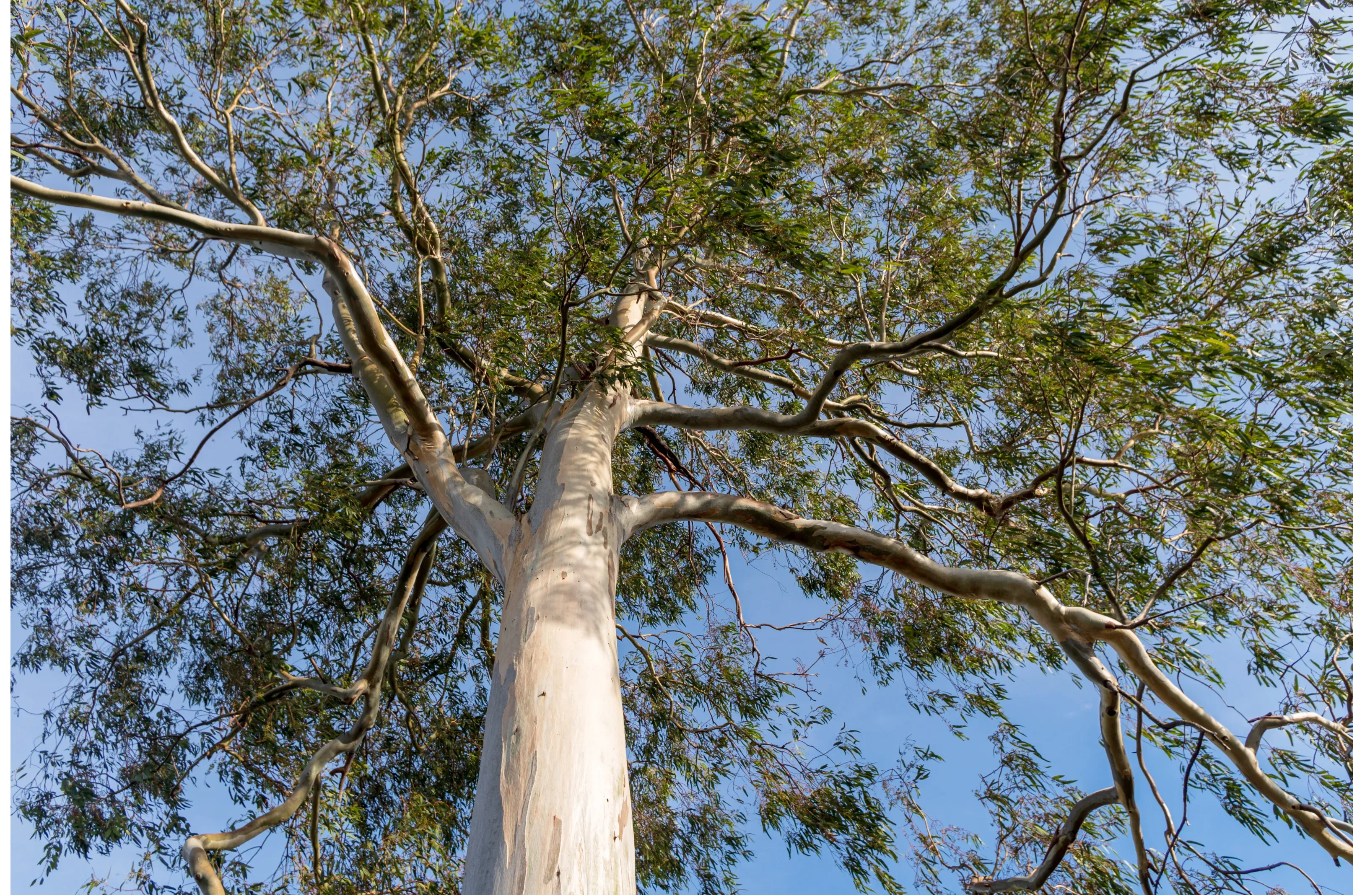
Browse location pages for major Australian cities. Supplier coverage and availability vary by area.
Select your nearest city to compare local suppliers, suburb coverage and quote options.
Submit your project details once. We look for eligible local suppliers; availability and response times vary.
Up to 3
Supplier matches
Eligible suppliers are selected by service, area and current availability
ABN
Supplier checks
We check suppliers' ABNs
$0
Free for homeowners
No payment and no obligation to hire
No obligation
You decide
Compare any responses and choose whether to proceed
Before requesting proposals
These details help a provider understand what still needs an onsite assessment. They are not a tree-risk diagnosis or a substitute for inspecting the property.
State whether you are seeking an assessment, pruning, removal, stump treatment or advice. Do not assume removal is the only suitable outcome before the tree and site are assessed.
Note gates, driveways, slopes, shared access and likely equipment routes. Photograph the tree and surrounding site without climbing, entering a drop zone or touching damaged material.
Identify buildings, fences, roads, play areas, neighbouring property and known overhead or underground services so the provider can plan an appropriate work zone.
List debris handling, log or mulch retention, stump treatment, access changes and site protection separately so proposals can be compared on the same requested outcome.
Safety stop
Do not cut, climb or approach a tree, branch, wire or object that is on, near or may have damaged electrical assets. Keep other people away and contact the electricity distributor responsible for the property. Call emergency services if there is an immediate threat to life.
Stay clear, prevent access and use the responsible distributor’s emergency channel. Do not assume a line is safe because it appears inactive.
Move people away without entering the fall or electrical zone and contact emergency services where life or public safety is at immediate risk.
Do not stand beneath damaged limbs or a leaning tree to take measurements. Describe what can be seen safely and arrange an onsite assessment.
Document the property, check approvals and compare written scope before choosing a provider or work date.
Property-specific controls
Australia does not have one homeowner tree-removal threshold. Check the responsible council and any property-specific controls before authorising work.
Check the rules for the exact address with the responsible council. Controls can depend on the planning scheme, property, species, location and proposed work.
Confirm who owns the tree and whether strata, body-corporate, rental, easement or neighbour approvals are relevant before authorising access or work.
Ask who is responsible for permits or reports, supporting photos, an arborist assessment, written approval and compliance with any conditions.
Keep the council response, approved documents, provider proposal, insurance evidence and agreed changes with the property records.
Provider due diligence
Job titles and association listings are not substitutes for checking the person, proposed scope, relevant capability, insurance and work method.
Who will assess the tree and site, and who will perform each part of the proposed work?
What qualifications, training and experience are relevant to this tree, work method and site hazards?
What insurance applies to the proposed work, and can current evidence be supplied before work starts?
How will the crew control falling material, equipment, access, bystanders, neighbouring property and known services?
If electrical assets are involved, which electricity distributor or authorised specialist must control or coordinate the work?
How will unknown conditions or approval requirements be documented and agreed before extra work proceeds?
Compare like with like
A headline total says little when one proposal includes approvals, access controls and cleanup and another does not. Ask for itemised scope and written exclusions.
The tree or area assessed, the recommended outcome and any assumptions that still require an onsite check.
The proposed sequence, rigging or access equipment, work zone, traffic or pedestrian controls and site protection.
Responsibility for permits or reports, council conditions, utility coordination and notices to neighbours or shared-property owners.
Whether the stump stays, is cut to a nominated height, is ground, or needs another treatment, including access and depth assumptions.
What happens to debris, logs, mulch and site cleanup, including what remains onsite and what is removed.
Work not included, conditions that may change the proposal and the process for approving a changed written scope.
Requesting supplier matches is free and does not obligate you to hire.
Share details about your tree removal needs using the request form.
We look for up to 3 eligible arborists based on service fit, coverage and current availability.
Compare any responses you receive, including scope, price, timing and supplier terms. You decide whether to proceed.
Authority directory
Each source has a geographic or organisational limit. Use the council and electricity distributor responsible for the property, and independently check any provider directory listing.
Service NSW
A New South Wales starting point explaining that tree-removal rules differ by council and property owners should seek advice from their local council.
Limit: New South Wales only. Other jurisdictions and councils have their own rules and processes.
Open source page (opens in a new tab)Ausgrid
Electrical-hazard guidance for the Ausgrid network area, including keeping away from fallen lines and contacting emergency services where life is threatened.
Limit: Ausgrid serves part of New South Wales. Use the electricity distributor responsible for the property elsewhere.
Open source page (opens in a new tab)Arboriculture Australia
An industry-association directory that can be one starting point when researching arboricultural providers by location and member type.
Limit: This is not a regulator or endorsement. Check the proposed person, scope, qualifications and insurance independently.
Open source page (opens in a new tab)
Requesting quotes is free for homeowners, and a request may be sent to up to three eligible suppliers, subject to service-area and supplier availability. Share the requested outcome, safe-to-observe site details and any known approval or electrical questions. Providers may still need to inspect the property before proposing a scope.
Clear answers to the questions homeowners usually ask before comparing quotes.
Wondering why tree removal quotes vary so much? Read what drives a tree removal quote - size, access, powerlines, stump treatment and council permission.
Free guides to help you plan, scope and compare tree work for your property
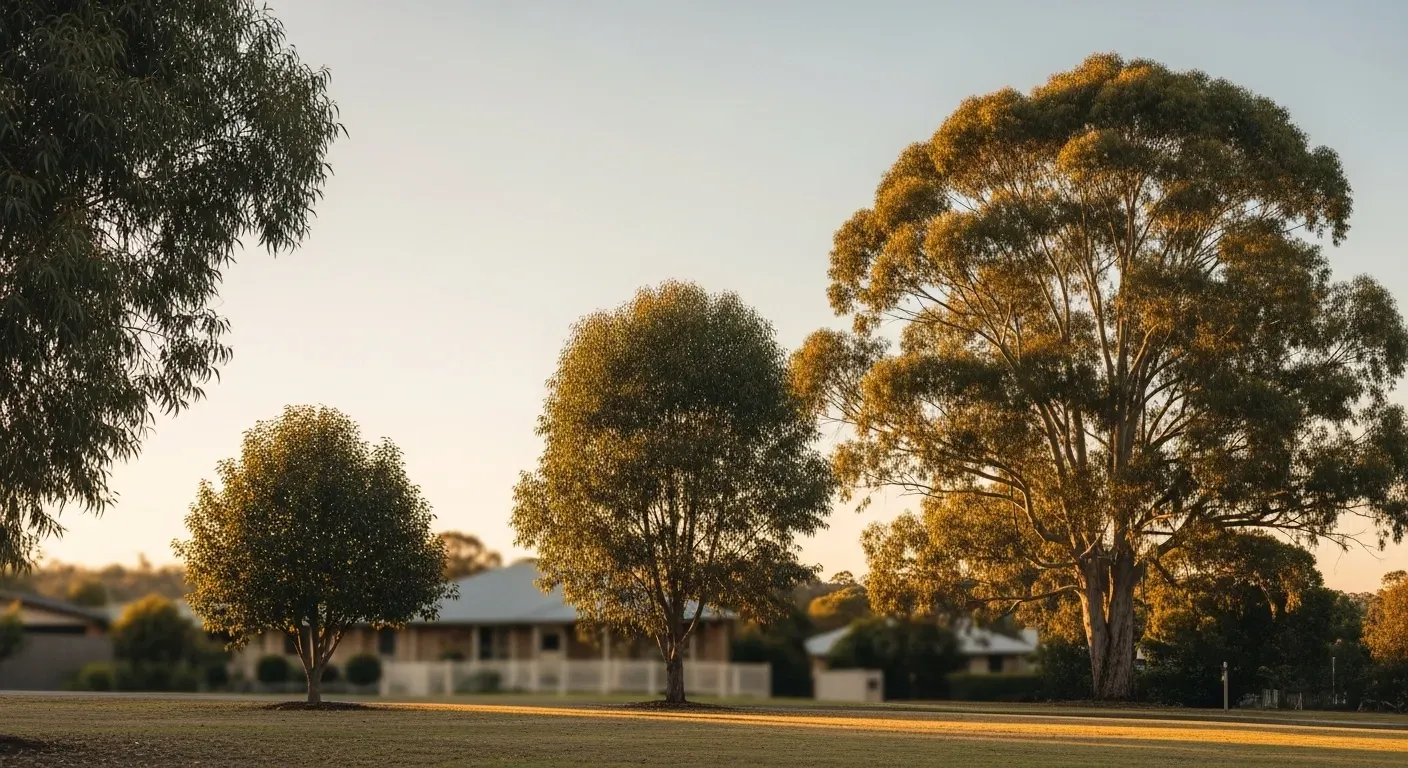
Prepare a clear scope, check property requirements and compare written proposals.
Read guide
Learn how council tree controls work and what to check for your address.
Read guide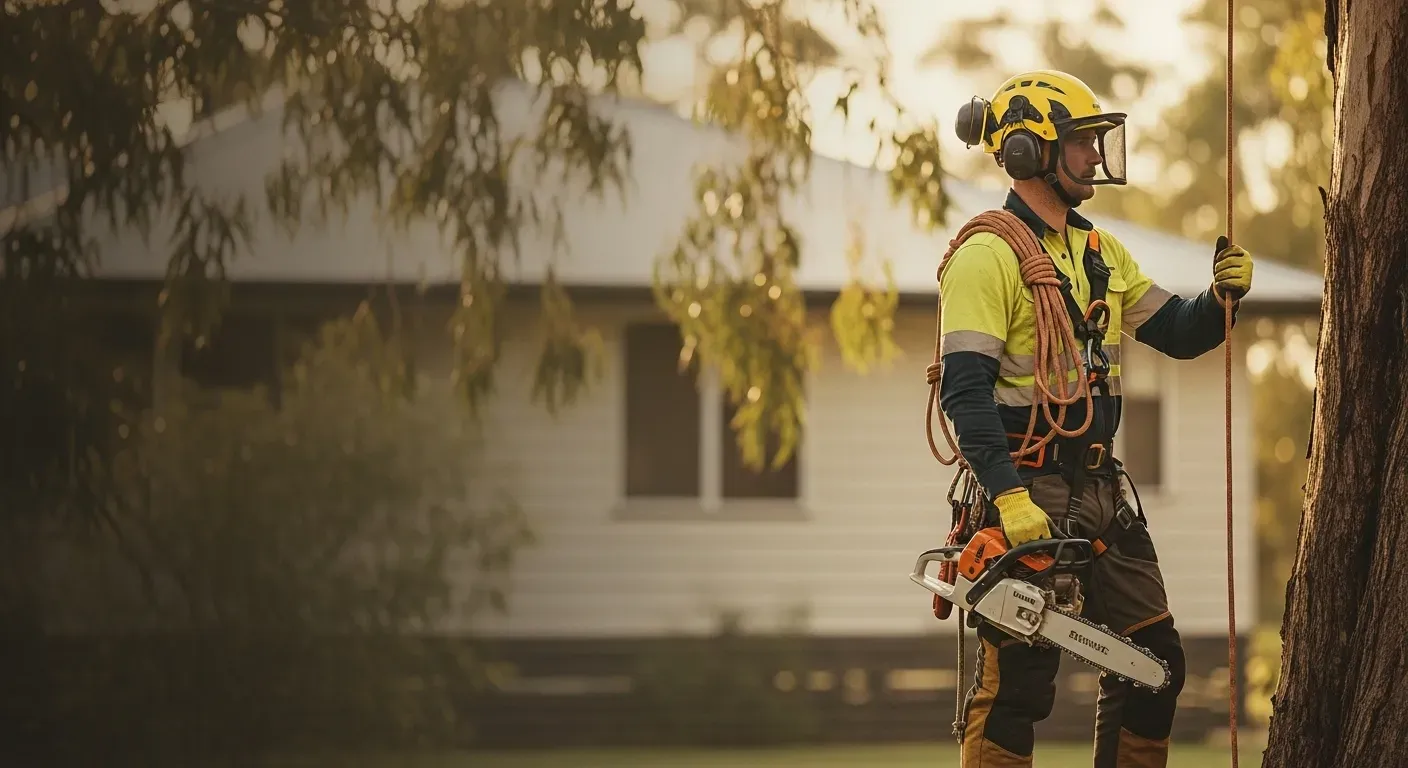
Questions to ask when comparing arborists for your tree work.
Read guide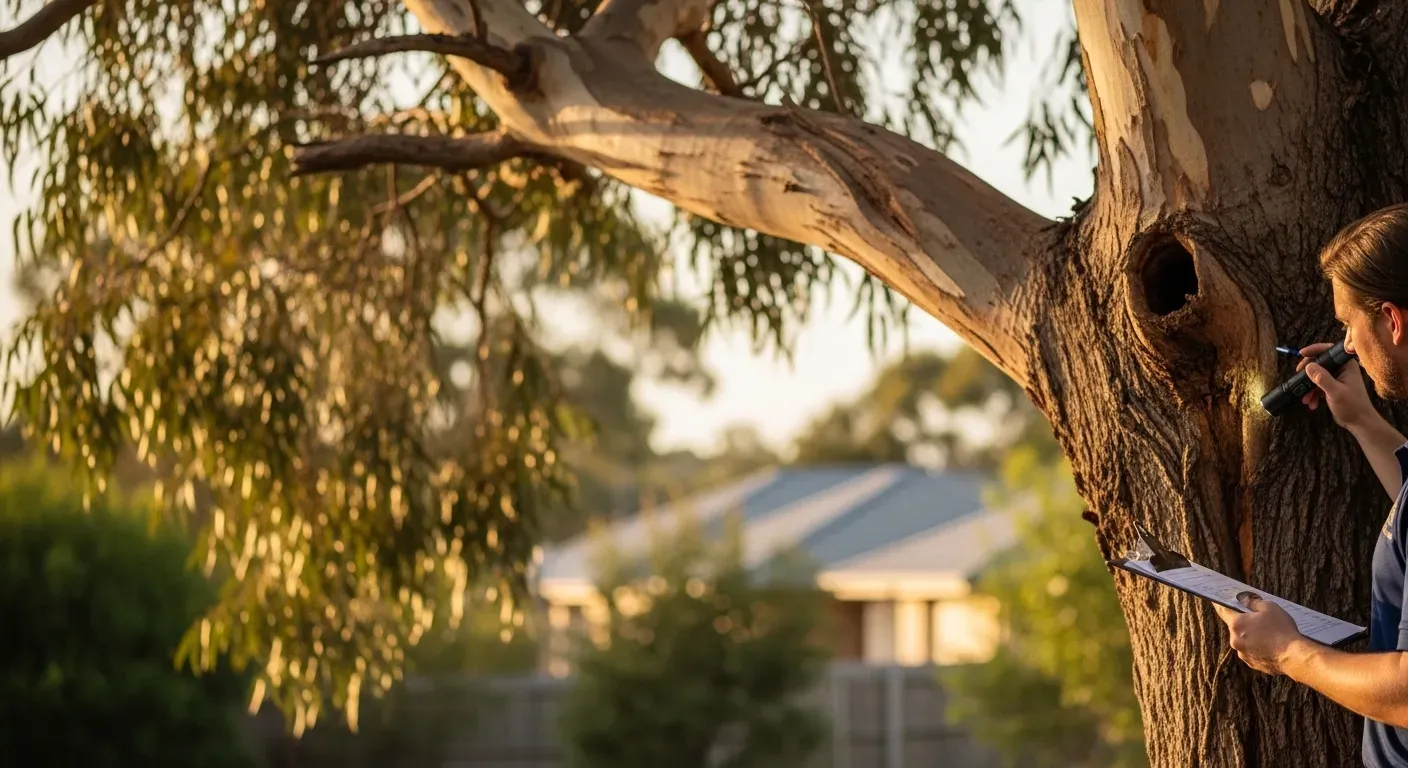
Learn the warning signs of hazardous trees and when to arrange an assessment.
Read guideCompare related quotes for fencing, pools and broader renovation projects.
Replace boundary fencing or secure the site after tree removal.
Clear trees before planning a new pool and outdoor layout.
Coordinate tree removal before extensions, landscaping or broader building work.
Plan a pool barrier as its own safety scope after clearing trees.
For arborists and tree service businesses
Pay per lead with prepaid credit. Base price: $50 per lead. Choose your services, areas and lead limits, with no monthly fees or lock-in contract.
Planning tree work?
Planning tree work?
Get up to 3 free tree-work quotes, subject to supplier availability