1
Define the demolition scope
State whether you need full demolition, partial demolition or an internal strip-out, and what must be protected and retained. Scope drives everything else in the proposal.
Demolition project planner
Define the scope and site finish, understand the disconnection, asbestos and approval questions for your property, then compare itemised proposals against the same brief.
A request may be sent to up to three eligible suppliers, subject to service-area and supplier availability. Supplier availability and quote outcomes vary.
Browse location pages for major Australian cities. Supplier coverage and availability vary by area.
Select your nearest city to compare local suppliers, suburb coverage and quote options.
Submit your project details once. We look for eligible local suppliers; availability and response times vary.
Up to 3
Supplier matches
Eligible suppliers are selected by service, area and current availability
ABN
Supplier checks
We check suppliers' ABNs
$0
Free for homeowners
No payment and no obligation to hire
No obligation
You decide
Compare any responses and choose whether to proceed
Before requesting proposals
Your brief defines the request; it does not establish feasibility, approvals or structural options. Builders may still need to inspect the home before confirming scope.
State whether you need full demolition, partial demolition or an internal strip-out, and what must be protected and retained. Scope drives everything else in the proposal.
Photograph the building and site, note the approximate age and construction, and gather any plans, surveys or previous reports you hold.
Note access for machinery and trucks, boundary clearances, neighbouring structures, trees to keep, and anything overhead or underground you know about.
Record which services are connected - power, gas, water, sewer, communications - and whether any disconnection or abolishment has already been arranged.
Property-specific checks
Disconnection, asbestos, approval, licensing and protection questions belong in the brief before a start date is agreed.
Demolition cannot safely start until electricity, gas, water and communications are properly disconnected or abolished, which is coordinated with the relevant providers and can take time.
Request available utility plans through Before You Dig Australia before excavation or grubbing. Plans are a starting point, not a guarantee of exact asset location.
Structures built or renovated before 1990 may contain asbestos. An appropriate assessment before demolition is how removal is planned as a licensed scope rather than discovered mid-job.
Whether demolition needs approval depends on the structure, the property and its planning controls, including heritage. Check with the responsible council or a certifier before booking.
Licensing requirements for demolition work differ by state and territory and by the type of structure. Check what applies to your job and who holds it.
Ask how neighbouring property, trees, fences and the public are protected, and what notice to neighbours or authorities the job requires.
Scope and delivery
Two proposals for the same structure can describe very different site outcomes. These questions surface the differences before you compare totals.
Ask exactly what remains: slab or no slab, footings, driveways, trees, fences - and what "cleared and level" specifically means in the proposal.
Ask how asbestos or other hazardous findings are handled, by whom, under what licence, and what clearance documentation you receive.
Ask where materials go, what is recycled, and how disposal is charged if quantities differ from the assumptions.
Ask what happens to materials with value, what you want retained, and how retained items are protected during the work.
Compare like with like
A total is only comparable when the scope, disconnections, hazardous-material handling and disposal behind it are visible.
The structures included, what remains after, and any assumptions that still need confirmation.
Who arranges each disconnection or abolishment, the evidence required before work starts, and how delays are handled.
The assessment relied on, how suspect materials are managed or removed, under what licence, and the clearance documentation provided.
Responsibility for approvals, notifications and any neighbour or authority notices the job requires.
Fencing, dust and noise controls, traffic management, tree and boundary protection, and working hours.
Where materials go, how quantity differences are priced, the written variation process and what completion documentation you receive.
Provider due diligence
Marketplace eligibility is not proof of a demolition licence, insurance policy or capability for your structure. Verify the evidence that matters before hiring.
Confirm the contracting entity and ABN, then check the demolition licensing requirements for the structure type in your state or territory.
Ask what insurance applies to demolition work at your site and request current evidence.
Ask for comparable demolitions - similar structure, access and constraints - ideally with owners you can speak to.
Ask who performs the work, who supervises, and how any asbestos removal or specialist work is licensed and coordinated.
Require scope and price changes, especially from findings, to be agreed in writing before work proceeds.
Agree what clearance certificates, disposal records and completion documentation you receive.
Requesting supplier matches is free and does not obligate you to hire.
Share details about your demolition project using the request form.
We look for up to 3 eligible demolition contractors based on service fit, coverage and current availability.
Compare any responses you receive, including scope, price, timing and supplier terms. You decide whether to proceed.
Authority directory
Each source has a stated role and limit. Use the council, consumer body and licence register relevant to the property and proposed work.
Before You Dig Australia
A national starting point for requesting available utility plans before ground-disturbing work and understanding their limits.
Limit: Plans do not show every asset or guarantee exact onsite location. The provider still needs appropriate locating and a safe work method.
Open source page (opens in a new tab)Asbestos and Silica Safety and Eradication Agency
Australian Government guidance on asbestos in structures built or renovated before 1990 and what to do before disturbing materials.
Limit: Identification requires testing. State and territory rules govern assessment and removal; this page does not replace a licensed assessment.
Open source page (opens in a new tab)NSW Government
The NSW portal for checking licence and registration information for building and demolition trades.
Limit: New South Wales only. Licence classes and registers differ in other states and territories.
Open source page (opens in a new tab)
Requesting quotes is free for homeowners, and a request may be sent to up to three eligible suppliers, subject to service-area and supplier availability. Share the scope, the structure details and the services status. Contractors may still need to inspect the site before proposing a scope.
Clear answers to the questions homeowners usually ask before comparing quotes.
Free guides to help you plan, scope and compare demolition work
Cost structure and pricing factors for residential demolition
Read guide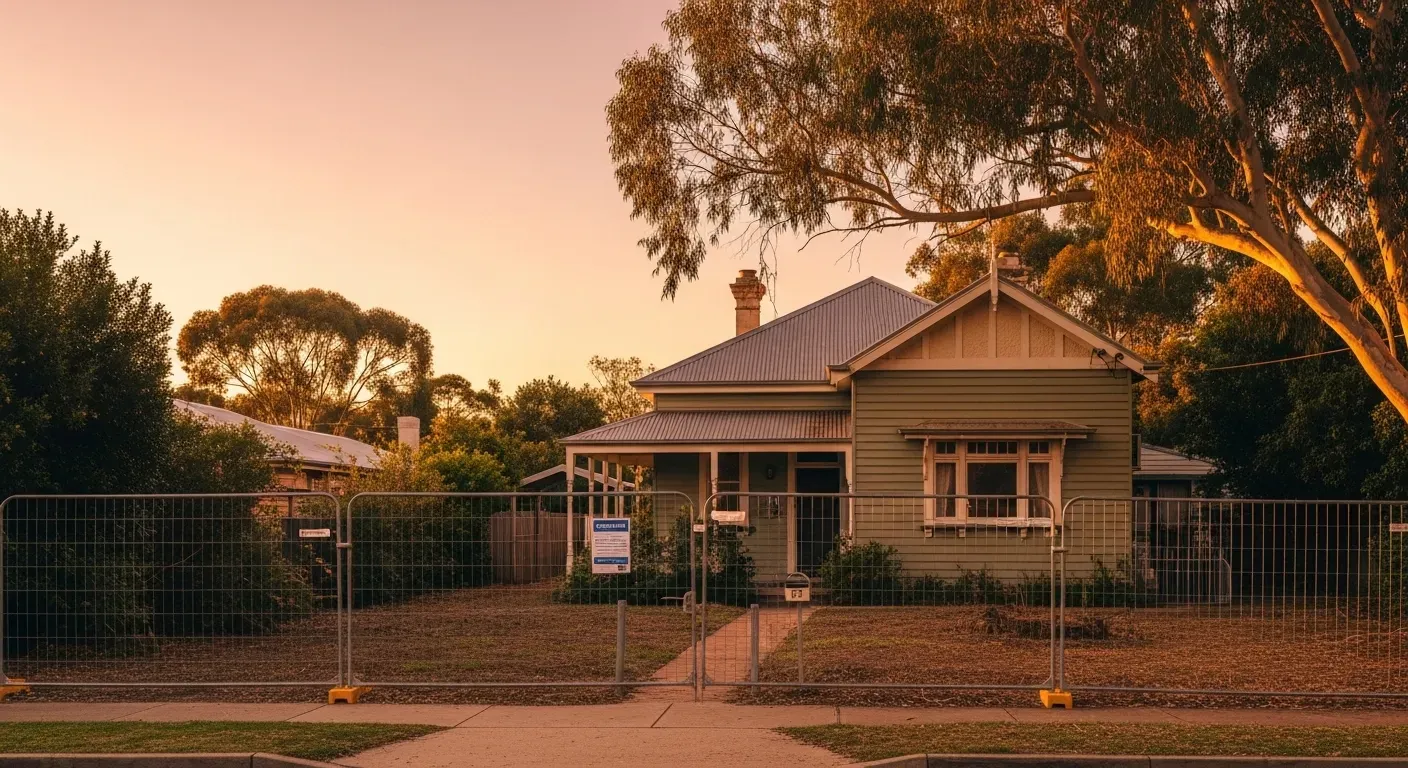
How approval pathways work for demolition projects
Read guide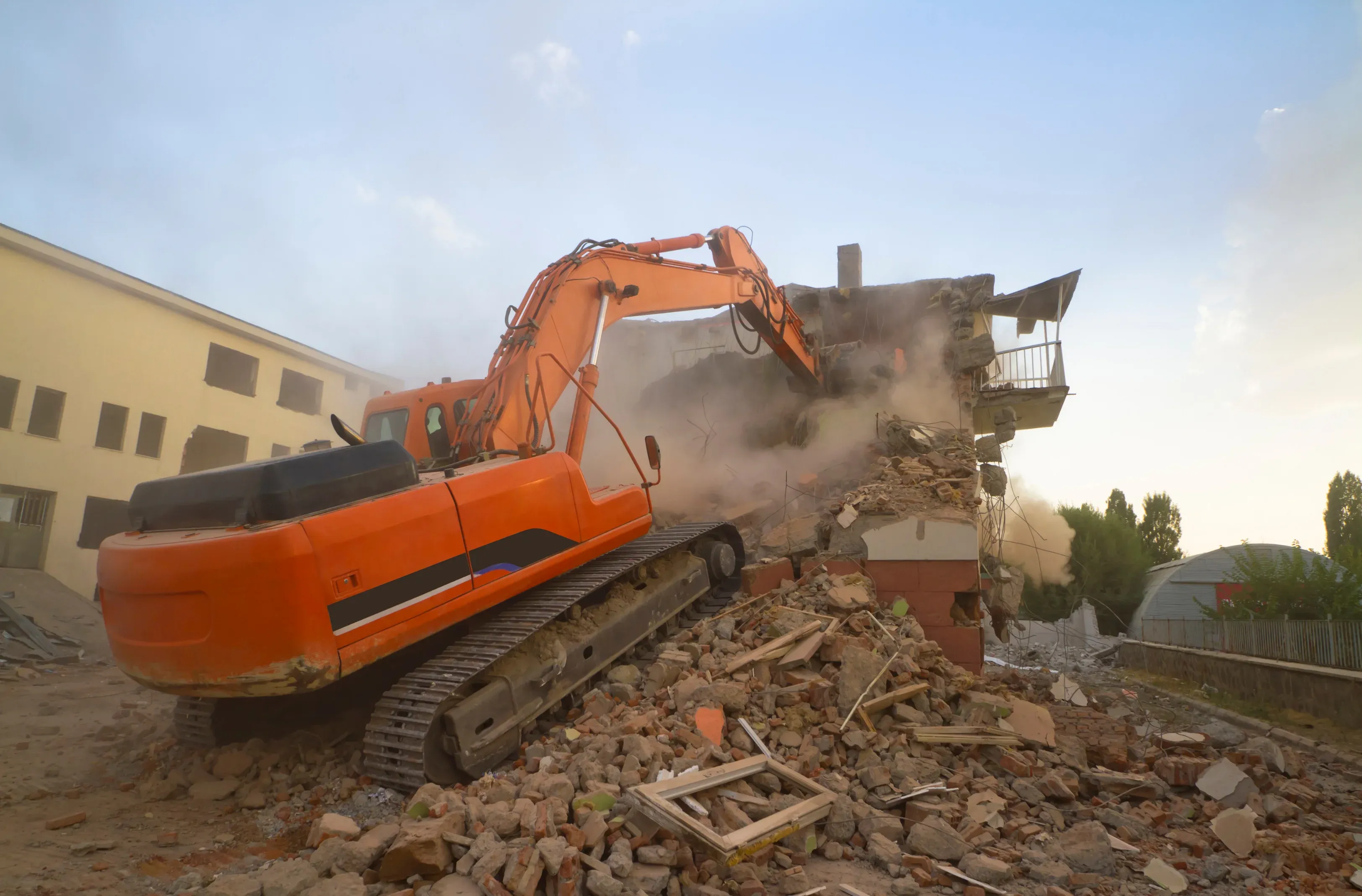
How demolition fits into a knockdown-rebuild decision
Read guide
What testing involves and how licensed removal works
Read guideCompare related quotes for asbestos scope, rebuild decisions and site works.
Plan licensed assessment and removal before demolition.
Weigh extending against knockdown and rebuild.
Plan strip-out demolition within a broader renovation.
Secure or rebuild boundaries after site clearance.
For demolition contractors and knockdown specialists
Pay per lead with prepaid credit. Base price: $75 per lead. Choose your services, areas and lead limits, with no monthly fees or lock-in contract.
Planning a demolition?
Planning a demolition?
Get up to 3 free demolition quotes, subject to supplier availability